 ScrollBeat

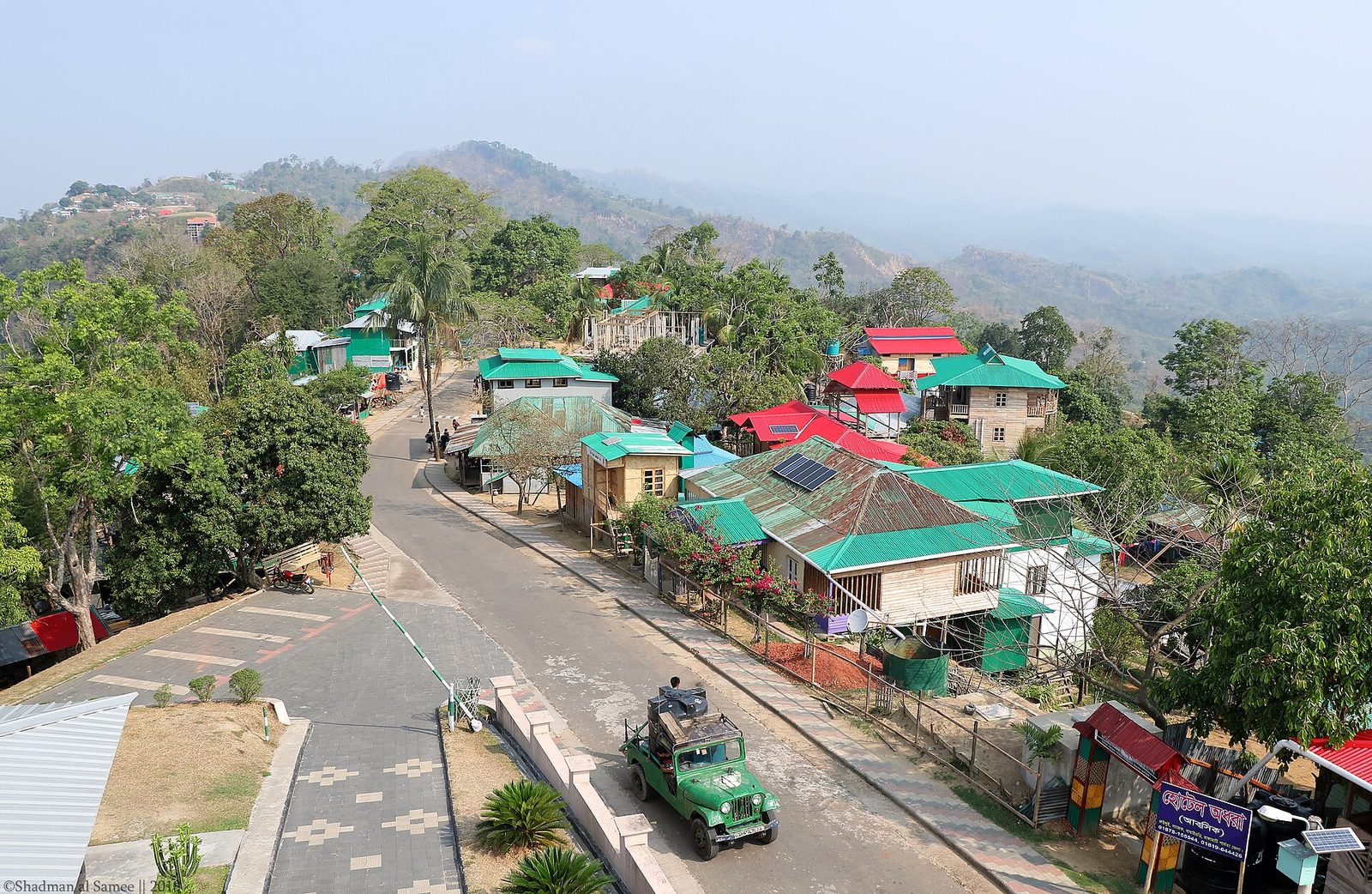
Two organisations in Rangamati's Baghaichhari upazila announced on Wednesday that they will enforce an indefinite blockade of the road to Sajek Valley from 6am on Thursday, saying the authorities did not act on their demands during a six-day pause for Durga Puja. They asked tourists staying in the hill destination to leave by the end of Wednesday.
The announcement was made in a joint statement signed by Natun Joy Chakma, president of the Sajek Karbari Association, and Babudhan Chakma, convener of the Sajek Gano Odhikar Rokkha Committee. Bijoy Kanti Chakma, member secretary of the rights committee, told The Daily Star that the organisations had suspended their programme from 16 to 21 October for the festival and would restart it once the celebrations ended. "Our blockade programme will continue until our three-point demand is implemented," he said.
The statement said fire service vehicles, ambulances, hearses, vehicles carrying emergency medicine and newspapers, and vehicles used by journalists on assignment would be allowed through. It did not say how long the blockade would last beyond the phrase "until further notice", and it called on residents and others in the area to support the programme.
This is the third round of disruption on the road since 11 October. The two organisations first called an indefinite blockade that day, then suspended it for 48 hours after assurances from the district administration and the Baghaichhari Zone deputy commander that their demands would be addressed. They resumed the blockade on 15 October, saying the assurances had not been kept, and then suspended it again from 16 October at the request of the Durga Puja committees of Baghaihat and Machalong markets.
The valley was closed to tourists on the evening of 11 October, when the district administration cited security concerns, and reopened on 15 October after the blockade was withdrawn. The latest statement does not say whether the administration intends to close the tourist area again, and no new public notice had been issued by Wednesday night.
At the centre of the dispute is the organisers' demand that armed members of the Parbatya Chattagram Jana Samhati Samiti (JSS-Santu Larma) be withdrawn from Sajek. In their statement, the two organisations alleged that armed JSS members remained in their previous positions and were active in Thalkumbho, Chillyatuli Kuthi, Noapara, Lambabak and Bhuachhari in Machalong, naming two company commanders they said were leading them. They claimed that more than 100 local people had been threatened with death and forced to leave their homes, that villagers' mobile phones had been confiscated, and that fear had stopped jhum cultivators from tending turmeric and broom-grass gardens.
The organisations also accused the army of carrying out what they called "showpiece operations" without acting against the armed group, and of harassing people who protested against its alleged abuses. Those are the organisers' allegations; the reports reviewed for this article did not include independent verification of the specific incidents or the names given.
The JSS rejected the accusations. Sajib Chakma, the organisation's publicity secretary, told Prothom Alo that the claims were intended to divert attention from what he described as longstanding oppression and harassment of ordinary people in Sajek by armed members of the United People's Democratic Front (UPDF). He also said the two organisations had announced the blockade under pressure from the UPDF. The JSS's account has not been independently verified either.
The army and the district administration did not issue a public response to Wednesday's statement. Officials had earlier said security was the reason for closing the valley, and the administration has not said whether it considers the road safe for visitors while the blockade is in force.
Sajek is one of Bangladesh's best-known hill destinations, and the road through Dighinala and Baghaichhari is the main land route for tourists, residents, traders and jeep operators. A blockade at the start of the post-Puja travel period affects hotels, cottages, restaurants and transport workers who depend on the holiday season, as well as villagers who need the road for supplies and medical travel. The exemptions announced by the organisers cover emergencies but not ordinary passenger vehicles.
The dispute also reflects older tensions in the Chittagong Hill Tracts, where rival Hill political organisations and armed factions have competed for influence for years. A 1997 peace accord ended the main insurgency, but friction between groups has continued, and civilian populations have often borne the consequences of local rivalries.
What happens next depends on two decisions that had not been made public by Wednesday night: whether the administration will again close Sajek to visitors, and whether security forces will act on the organisers' demands or offer fresh assurances. The blockade is due to begin at 6am on Thursday. If it goes ahead as announced, vehicle movement on the valley road will stop except for the exempted services, and any tourists still in Sajek will have to leave by the permitted route.