 ScrollBeat

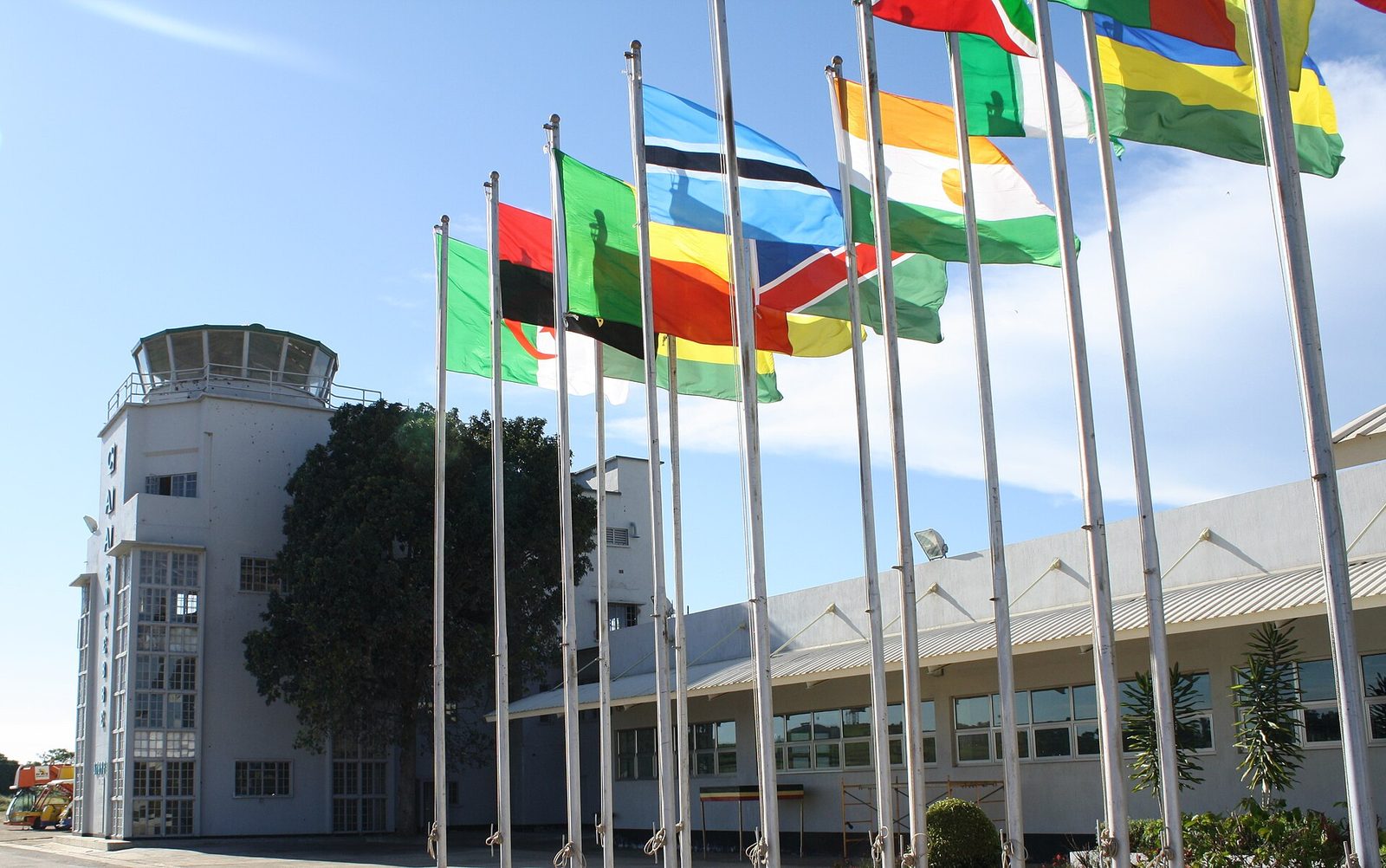
Health officials are investigating whether the first Ebola patients confirmed in Nigeria and Kenya came into contact at Uganda's main airport on the same day this month, the Africa Centres for Disease Control and Prevention said on Thursday.
Both patients passed through Entebbe International Airport on 3 October, according to Dr Wessam Mankoula, the agency's head of emergency preparedness and response. Investigators are examining whether they were exposed through shared equipment, a shared space or some other interaction. Mankoula described such an encounter as one possible scenario and stressed that no link had been established between the two infections.
"One of the issues we are currently investigating has been some sort of interaction between the two cases at the airport," he told journalists at an online briefing.
The Nigerian patient is a 42-year-old Ugandan-born woman who lives in Abuja and is married to a Swiss diplomat. She returned to Nigeria on 3 October after spending about two and a half weeks in Uganda, changing planes in Addis Ababa, where she had a two-hour stopover. Her husband, who travelled with her, is in isolation but has not developed symptoms, Switzerland's foreign ministry told the Reuters news agency.
She fell ill four days after reaching Abuja and sought care at two private health facilities before testing positive for Ebola on 20 October. The World Health Organization says she is being treated in isolation and her condition is stable.
The Kenyan patient was a man who had travelled from the Democratic Republic of Congo through Uganda and arrived in Nairobi on 3 October. He later died, becoming Kenya's first recorded Ebola death in the current outbreak. Kenya has since confirmed nine infections in total, all traced back to him.
Kenya's Health Ministry says it has identified 135 contacts of the first patient and that the first group of people quarantined after possible exposure will begin returning home on Sunday, having completed 21 days of monitoring without symptoms. Director-General Patrick Amoth said the remaining eight patients were in isolation and responding to treatment. "We are not out of the woods," he said, while urging the public not to panic.
Nigeria had initially listed 44 contacts and has since identified more, most of them health workers at the facilities where the woman was treated, along with a few relatives. Mankoula declined to give a revised total before the government publishes its findings. The country's Centre for Disease Control and Prevention is carrying out genomic sequencing, which should show whether the virus is related to other cases in the region.
Uganda has rejected the suggestion that the woman was infected on its soil. Government spokesman Alan Kasujja told the AFP news agency that it was "preposterous" to link Uganda to the case simply because she had holidayed there. Ugandan officials have said the country has no confirmed active Ebola cases.
Uganda recorded 20 confirmed cases earlier in the outbreak, including 15 imported from Congo, and two deaths before it was declared Ebola-free in August. Its health ministry has also said that travelling through the country does not by itself prove where someone was infected.
The wider outbreak began in eastern Congo in mid-May and is caused by the Bundibugyo strain of the virus. Congo's health authorities have reported more than 9,000 confirmed cases and more than 4,000 deaths, making it the deadliest Ebola outbreak in the country's history. The fatality rate is approaching 50 percent, and the virus has spread across eight provinces and 66 health zones.
The WHO's regional director for Africa, Dr Mohamed Janabi, said the situation was now more complex because cases had appeared in both East and West Africa. He called for regional vigilance and urged countries to strengthen surveillance, investigate infections quickly and protect frontline health workers.
Ebola spreads through direct contact with the blood or other bodily fluids of an infected person, or with contaminated objects. It does not spread through the air like influenza, and people are not considered infectious before they develop symptoms. Fever, severe weakness, vomiting and diarrhoea are common early signs.
Several questions remain open. Investigators have not established where the Nigerian woman was infected, whether the two patients actually met at Entebbe or whether both were exposed to a common source. Health officials have also struggled to reconstruct her full movements because opportunities to interview her have been limited while she is in hospital.
The answers are likely to come from three places: the genomic sequencing now under way in Nigeria, a detailed reconstruction of the woman's travel and contacts, and the results of the 21-day monitoring periods in Kenya. The WHO and Africa CDC are expected to update their assessment as those results arrive.