ScrollBeat


Bangladesh's parliamentary committee on foreign affairs has asked whether failures at the country's consulate in Jeddah preceded the execution of two Bangladeshi citizens in Saudi Arabia, and requested a report on any negligence and the action taken in response.
The questions were raised at a meeting at the National Parliament building in Dhaka on Sunday, 25 October. Both Prothom Alo and Bangla Tribune reported that the committee sought fuller information from the foreign ministry, including measures to prevent a similar incident.
According to Prothom Alo's account, the ministry told lawmakers that Saudi Arabia had sent a list of about 2,500 prisoners 14 days before the executions. The two Bangladeshis' names were on that list, but their cases were not properly identified by officials handling it.
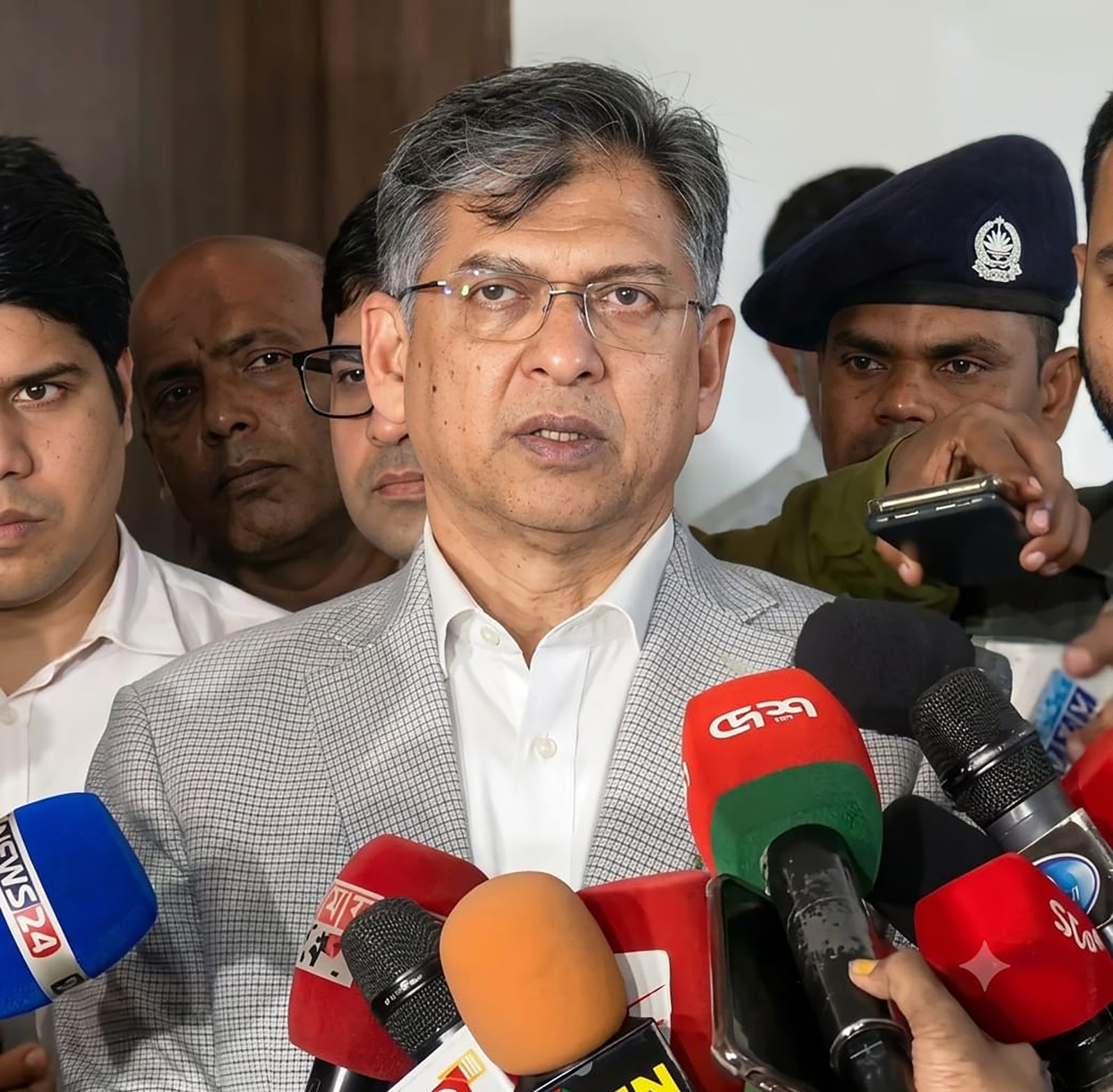
Committee chairman Jaharat Adib Chowdhury told Prothom Alo that lawmakers wanted to know why consular officials had not understood the situation earlier and whether weakness or negligence was involved. The reports do not establish a final finding of misconduct against particular officials.
The ministry's explanation, as reported by Prothom Alo, was that the categories shown on the list led officials to expect prison sentences ranging from six months to 15 years. They did not understand that the two citizens faced execution. This is the ministry's account to the committee, rather than an independently established account of the Saudi notification process.
Bangla Tribune reported that the ministry has asked Saudi authorities for detailed information. Lawmakers recommended that the full account be shared with the committee once it arrives. They also asked to be informed of action against consular officials if negligence is found, alongside steps intended to prevent a recurrence.
The discussion extended beyond these cases to the quality of Bangladesh's services for its citizens in Saudi Arabia. Bangla Tribune said the committee requested a detailed modernisation plan for the missions and discussed their staffing and operations, employment, remittances, labour welfare and labour-market challenges.
Protection of women workers was another focus. Prothom Alo reported that the ministry put the number of Bangladeshi women workers in Saudi Arabia at about 169,000 and told the committee that one to two per cent experience abuse. The chairman said a small percentage still represented an unacceptable number of people. The committee called for measures to bring abuse down to zero.
The next steps depend on the Saudi response and the ministry's report to lawmakers. Neither outlet's account provides a completed investigation into consular responsibility, identifies a disciplinary decision or resolves all questions about how the two cases were handled. For now, the committee has sought answers and a prevention plan.