ScrollBeat

Four more people died of dengue in the 24 hours to 8am on Thursday, taking Bangladesh's death toll from the disease this year to 368, according to figures from the Directorate General of Health Services (DGHS). Another 1,512 patients were admitted to hospitals across the country in the same period, bringing the number of cases recorded since January to 118,502.
Two of the four deaths were reported in Mymensingh division, and one each in the areas covered by Dhaka South City Corporation and Dhaka North City Corporation, the DGHS data shows. Hospitals discharged 1,455 patients during the 24 hours, taking total recoveries this year to 112,111.
The figures continue a steep climb. By 22 October last year, Bangladesh had recorded 62,367 dengue cases and 255 deaths, according to the DGHS numbers cited by Bangla Tribune. This year's caseload is therefore close to double the level of a year ago, and the death toll is 113 higher.
The monthly pattern shows how the outbreak has accelerated. Dengue killed five people between January and May, 13 in June, 36 in July and 43 in August. September was the deadliest month so far, with 148 deaths. By subtracting those monthly totals from the annual figure, October has already accounted for about 123 deaths in its first three weeks, putting the month on course to pass September's toll if the current pace holds.
The pressure is concentrated in Dhaka's public hospitals. At Shaheed Suhrawardy Medical College Hospital on Thursday, the men's dengue ward had 38 patients in 50 beds, while the women's ward had 23 patients in 41 beds after 18 people were discharged by 4pm, staff told Bangla Tribune during a visit.
A nurse on duty in the men's ward said the space is normally so tight that there is no room left to stand, and that the beds had emptied slightly over the past two or three days because of the Durga Puja holidays. The hospital has set aside ward 420 for men and ward 424 for women, with separate dengue corners in other wards when those two fill up.
Staff say the workload stretches well beyond the designated dengue rooms. One employee, who asked not to be named, said the hospital's large wards can hold between 170 and 250 patients with only two nurses on duty, while the dengue wards are staffed by one doctor and three nurses. She said a single new patient needs at least 30 to 40 minutes of work, from saline and laboratory tests to blood arrangements and instructions from doctors.
Patients and relatives described a service that is coping but strained. Mohiuddin Sarkar brought his brother-in-law from Narsingdi on Thursday after a laboratory test there came back positive. He said they found a bed without difficulty and that treatment and staff conduct in the dengue ward were good. Humayun Kabir Swapan, who had been at the hospital for four days with his younger brother, also said the dengue ward was reasonably managed, but complained about conditions elsewhere in the building, including too few lifts and long queues for tickets at the emergency department.
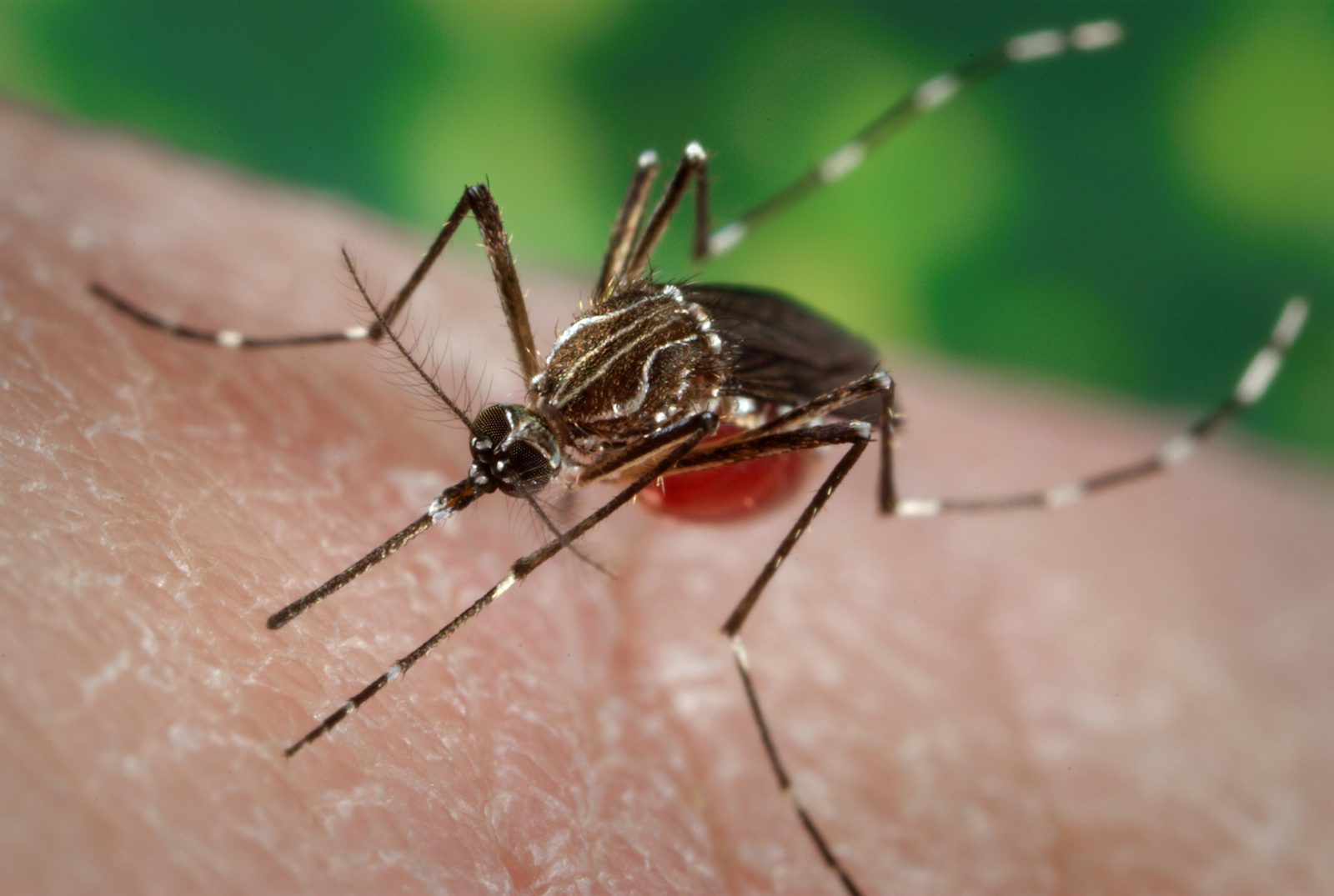
Dengue is spread by Aedes aegypti mosquitoes, which breed in standing water around homes and bite mainly during the day. Bangladesh now records cases through much of the year, with the numbers usually rising during and after the monsoon, and Dhaka's public hospitals take many of the patients sent from districts with fewer treatment facilities.
Several things remain unclear. The daily DGHS bulletin gives national totals but no district-level breakdown, and neither of the reports published on Thursday said how many dengue patients are currently being treated in hospital nationwide. There is also no public information in those figures about which dengue serotype is dominant this season, which matters because repeat infection with a different serotype raises the risk of severe illness. Suhrawardy hospital authorities did not comment in the Bangla Tribune report.
What happens next will be visible in the daily 8am update. The coming days will show whether the dip in admissions that nurses linked to the Puja holidays lasts once the holidays end, and whether the death toll keeps rising at September's pace. The practical advice is unchanged: clear standing water, use mosquito protection, and test early when a fever does not settle.
The outbreak has already far exceeded last year's, and the hospitals that treat it are running with the same staff and the same buildings. Whether October ends better or worse than September depends on numbers that will be published one morning at a time.