ScrollBeat

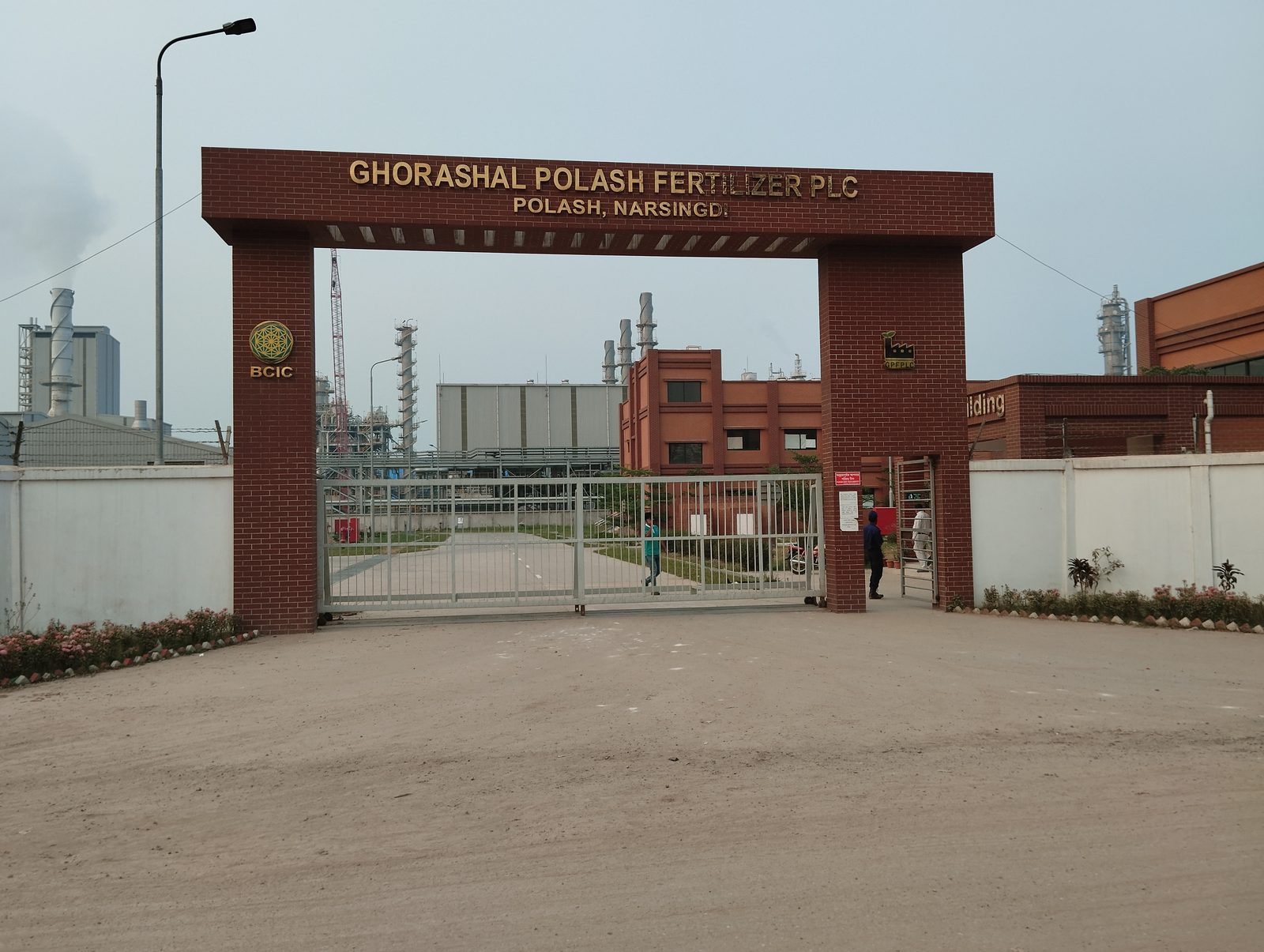
Bangladesh's state chemical corporation wants to bring every government-run fertiliser plant back into production, saying restored gas supply would cut a large part of the country's urea import bill, its chairman said on Thursday.
Md Babul Miah, chairman of the Bangladesh Chemical Industries Corporation (BCIC), put the potential saving at about Tk 22,000 crore. He spoke to reporters in Brahmanbaria after inspecting the Ashuganj Fertilizer and Chemical Company Ltd (AFCCL), the state news agency BSS reported.
"We want to make BCIC's factories operational," Babul Miah said, adding that the country imports 26 to 27 lakh tonnes of urea a year. With adequate gas, he said, the state plants could cover domestic demand and even export urea.
The Ashuganj plant has been out of production since 1 March 2025 because of the gas shortage. It has a rated capacity of about 5.28 lakh tonnes of urea a year and needs roughly 47 to 48 million cubic feet of gas a day to run at full output. Babul Miah said he hoped the factory could restart this year if gas is made available.
"Our main problem is the gas crisis," he said. "If we can bring the factories back into operation, we will no longer need to import fertilizer."
AFCCL Managing Director Sheikh Md Ali Asraf and the plant's deputy general manager for administration, Tajul Islam Bhuiyan, were present during the visit. Neither they nor the chairman gave a date for a restart or said how much gas the plant would need to be allotted.
The plants matter because urea is the country's most widely used nitrogen fertiliser and demand peaks between November and March, when farmers grow Boro rice, the crop that accounts for more than half of Bangladesh's annual grain output. Missing the window would leave farmers dependent on imports at a time when global prices and shipping are unsettled.
The state factories run on natural gas, and their troubles follow the country's wider energy shortage. In March this year, BCIC shut five of its six major urea plants when gas was rationed as the Middle East war disrupted LNG shipments through the Strait of Hormuz. Only one plant kept running at the time, and officials said the closed units had a combined capacity of about 7,100 tonnes a day.
Bangladesh produces about 40 percent of the urea it uses and imports the rest, mainly from Saudi Arabia, the United Arab Emirates and Qatar, according to The Daily Star. Those suppliers depend on the same Gulf routes that have been disrupted, which is why BCIC has repeatedly had to tender for emergency cargoes.
Every tonne made at home instead of bought abroad also eases pressure on foreign exchange reserves, which have been stretched by costly energy imports. Idle factories are not free either: wages, loan interest and maintenance continue while the machinery sits still.
Several questions remain unanswered. BSS did not say whether the Tk 22,000 crore figure is an annual saving or covers a longer period, nor how it was calculated. The report also gave no timetable for restoring gas, no indication of how much gas the energy authorities are prepared to divert to fertiliser production, and no comment from the Energy Division or Petrobangla, which allocate supply.
It is also unclear whether urea cargoes already contracted from abroad will still be delivered, and what a restart would mean for the subsidised retail price farmers pay. The government has not announced any change to that price.
For now, BCIC says it is pressing its case with the government while the Boro season approaches. The immediate decision rests with the energy authorities, who must weigh fertiliser plants against households, power generation and export industries that are all short of gas. If Ashuganj stays idle, the import bill the chairman wants to cut will keep growing.