ScrollBeat

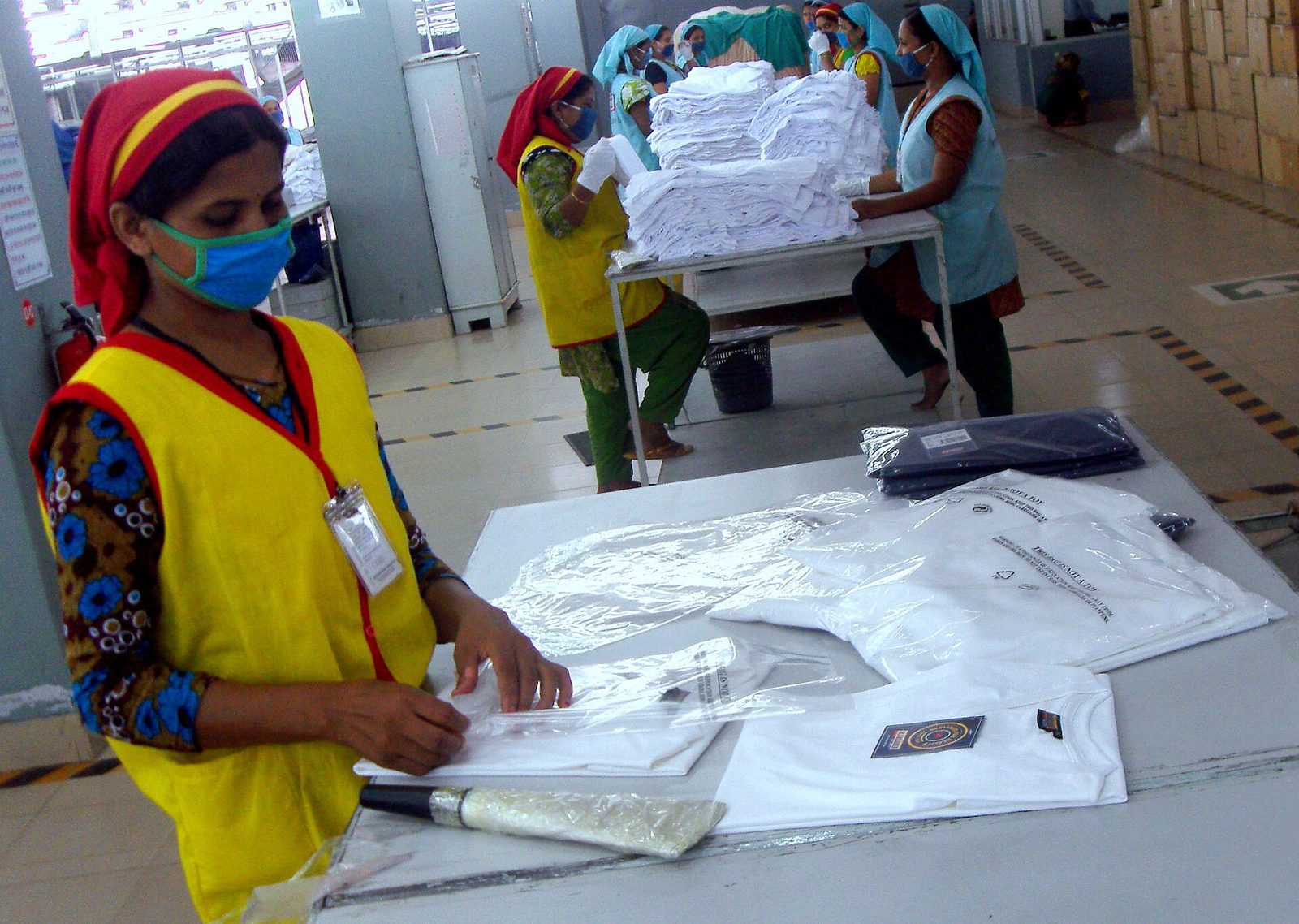
A French buyer has asked a Bangladeshi knitwear factory to hold an order that had already been agreed, as protests across Europe add a new worry to an export trade already struggling with weaker demand and thinner prices.
Fazlee Shamim Ehsan, chief executive of Narayanganj-based Fatullah Fashion Limited and executive president of the Bangladesh Knitwear Manufacturers and Exporters Association, told The Business Standard that the buyer acted on Monday. The buyer, he said, was concerned that drawn-out unrest could weaken Europe's economy, cut households' purchasing power and soften demand for clothing.
The order's size and value have not been disclosed, and it is not yet clear whether the suspension is temporary. Ehsan said he could not say how much of the decision was caused by the protests. Still, he said, the move reflects the mood among buyers.
The unrest has spread across France, Italy, Portugal, Belgium and Spain over living costs, fuel prices, housing, education and public services, according to international media reports. France has banned protests in Paris and three other cities after riots last weekend, and European governments are watching how quickly consumer confidence recovers.
The figures behind the concern are not new. Bangladesh's apparel exports to the European Union fell by about 12 percent year on year in January to August, according to Eurostat data cited by both The Business Standard and Bangla Tribune. The two reports gave slightly different percentages and different figures for the fall in the EU's total apparel imports, which they put at 1.29 percent and 3.83 percent.
Bangla Tribune reported that the value of Bangladesh's apparel shipments to the EU dropped to 11.93 billion euros from 13.50 billion euros a year earlier. It said the volume fell 4.58 percent and the average price per kilogram dropped 7.43 percent, to 13.76 euros, meaning exporters earned less both because they shipped less and because each garment fetched a lower price.
The European Union takes about half of Bangladesh's total exports, according to the Export Promotion Bureau. Yet there are signs of recovery: the bureau's figures show garment exports to the EU rose 3.33 percent to 4.90 billion dollars in July to September of the current financial year, and The Business Standard reported that Bangladesh began regaining market share in August and September.
Industry leaders are divided on how much the protests matter. MA Jabbar, managing director of DBL Group, said Bangladesh already faces intense competition in Europe and that fresh, prolonged instability there would hurt exports. Asif Ashraf of Urmi Group voiced a similar concern. Shovon Islam of Sparrow Group argued that falling orders were driven more by Europe's broader slowdown than by the demonstrations, noting that order flows were also declining in the United States but that Europe was worse.
Costs at home are rising at the same time. The government has withdrawn bonded warehouse facilities for imports of 10 to 30 count yarn used in knitwear, requiring importers to furnish a bank guarantee equal to the value of the yarn. Fakir Kamruzzaman Nahid, managing director of Fakir Fashions, said imported 30-count combed yarn costs 3.15 dollars a kilogram against 3.75 dollars for the local equivalent, and that using domestic yarn would add about 15 cents to the cost of each garment while most European buyers refuse even a one-cent increase.
A new wage increase for garment workers is also pending, with workers demanding a minimum monthly wage of 30,000 taka. Higher wages would lift workers' incomes, but factory owners say the cost can only be absorbed if productivity rises and buyers accept higher prices.
The European Commission forecast in May that EU growth would slow to 1.1 percent in 2026 from 1.5 percent in 2025, with inflation around 3.1 percent. That outlook, rather than the protests alone, may shape how many orders Bangladesh receives in the coming months.
What remains unknown is how many buyers have paused or cancelled orders, what the suspended French order was worth, and whether the unrest will last long enough to change retail buying plans for next season. Exporters say the next month is critical: if the yarn restrictions are not eased, they fear orders that might have come to Bangladesh could move to Vietnam, Cambodia, India or Pakistan, all of which are competing harder for the same European buyers.