 ScrollBeat

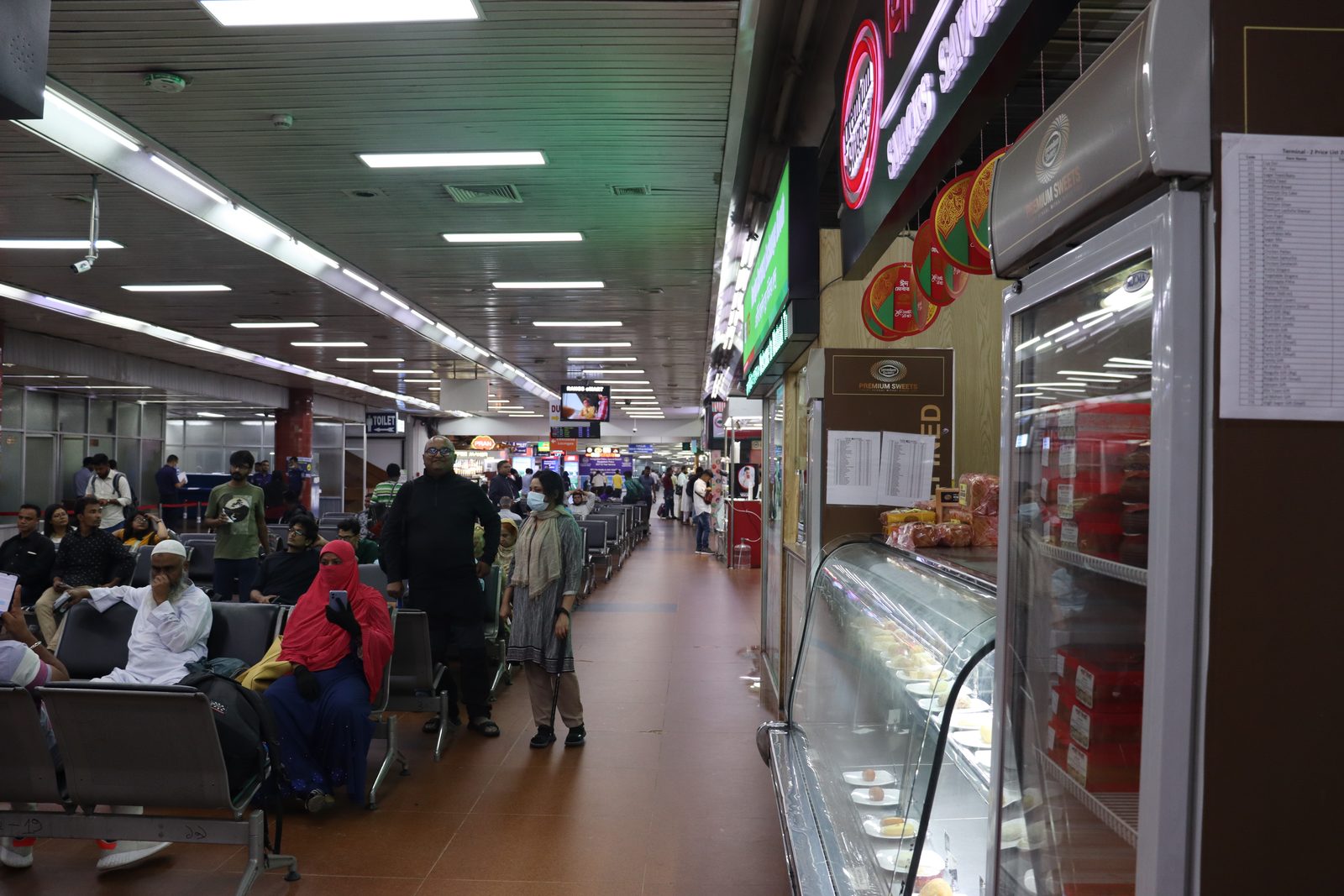
At least 135 flights between Dhaka and Saudi Arabia have been cancelled or suspended since 10 October, leaving 20,672 passengers unable to travel, according to figures released by the Civil Aviation Authority of Bangladesh (CAAB) on Thursday.
The affected services comprise 62 direct flights and 73 transit flights booked through a third country, CAAB said. Eleven airlines are involved. Biman Bangladesh Airlines accounts for 23 of the direct flights, followed by Saudia with 19, and US-Bangla Airlines and Riyadh Air with 10 each.
Among transit carriers, IndiGo has the largest number of disrupted services at 28, ahead of Emirates with 14, Qatar Airways with nine, flydubai with eight, SalamAir with seven, Air India with six and EgyptAir with one.
The disruption follows a series of missile and drone attacks on Saudi airports this month. On 10 October a missile struck Terminal 3 at King Khalid International Airport in Riyadh, killing 12 people and injuring 309, the Saudi civil aviation authority said. Two of the dead were Bangladeshis.
The Houthis in Yemen, who said they were behind earlier strikes on the same airport, did not comment on the 10 October attack, the BBC reported. A Saudi-led coalition described the attack as a war crime and blamed the Houthis. A projectile also landed near King Fahd International Airport in Dammam the same day, the coalition said.
Riyadh's airport suspended operations after the strike, and several Saudi airports have since worked under restrictions that airlines say have forced repeated cancellations and rerouting. Biman Bangladesh Airlines has extended its suspension of Dhaka-Riyadh flights, citing passenger safety.
In Bangladesh, CAAB issued a set of directives to airlines on 12 October, ordering them to inform passengers promptly about cancellations, delays and schedule changes, and to arrange rebooking, refunds and onward travel. Airlines were also told to provide seating, drinking water, refreshments and meals at Hazrat Shahjalal International Airport, with particular attention to elderly passengers, children and people with disabilities.
The authority asked carriers to help travellers whose Saudi visas were nearing expiry, directing them to the relevant Saudi authorities and the Saudi embassy in Dhaka for extensions and other immigration help. Passengers were advised not to come to the airport until their flight status had been confirmed.
The backlog has raised concern for migrant workers, many of whom travel to Saudi Arabia on employment visas with a fixed window to join their jobs. State Minister for Expatriates' Welfare and Overseas Employment Nurul Haque said on 13 October that the government was pursuing talks with Riyadh to extend visas for stranded workers so they could still travel and start work. He acknowledged that the negotiations had become harder after the security incident in Riyadh but said he hoped for a solution.
Saudi Arabia is the largest destination for Bangladeshi migrant workers and one of the country's biggest sources of remittances, so a prolonged disruption reaches well beyond the passengers queuing at the airport. Workers whose leave or visas run out while they wait at home can lose the job they paid to secure.
Several questions remain open. CAAB has not said how long the restrictions will last, which Saudi airports are covered by which rule, or how many of the 20,672 affected passengers are migrant workers rather than Umrah pilgrims, business travellers or families. It has also not published a date for full resumption.
CAAB spokesperson Kawser Mahmud said cancellations would continue if the situation at Saudi airports did not return to normal. Airlines have been told to keep a focal point at Shahjalal airport to coordinate updates and passenger assistance until operations are restored.
For travellers, the practical advice is unchanged: confirm the status of a flight with the airline or travel agent before leaving for the airport, and keep rebooking and refund options in writing. With Saudi airport restrictions still in force, the count of stranded passengers is likely to keep changing day by day.