ScrollBeat

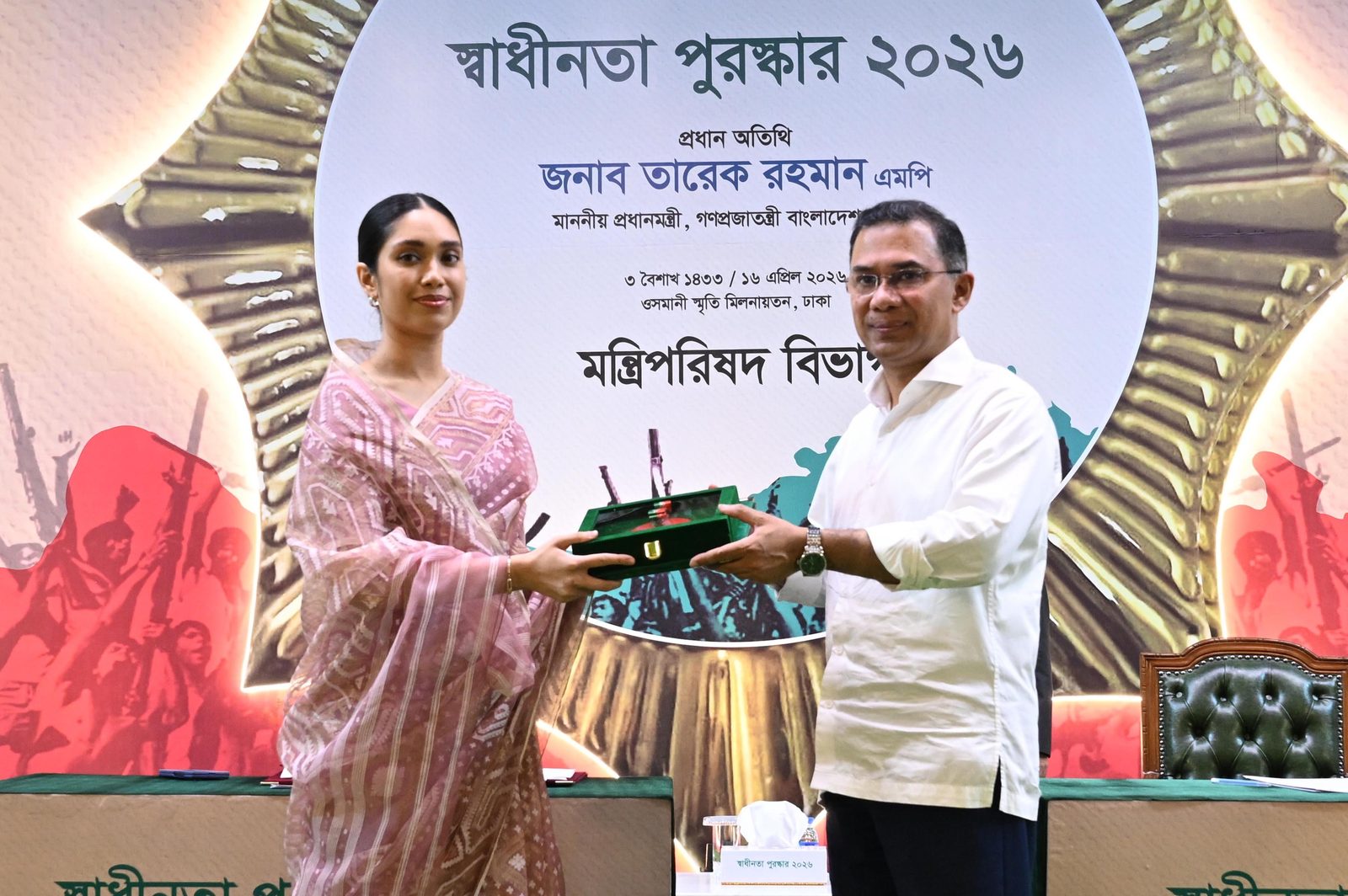
Japan is expected to arrange one trillion yen, about $6.35 billion, in private-sector investment in Bangladesh over the next five years, with the commitment due to appear in a joint statement when Prime Minister Tarique Rahman visits Tokyo next week.
The figure comes from a Nikkei Asia report published on Thursday and cited by Reuters. Neither government has confirmed it, and no Bangladeshi outlet has independently verified the number.
According to the report, the package is to be announced after Rahman meets Japanese Prime Minister Sanae Takaichi at her office on 27 October. The two are also due to hold a working dinner that evening. Rahman's four-day visit runs from 26 to 29 October, and both sides are expected to upgrade the relationship to a higher strategic partnership.
Nikkei said the money would go mainly to automobile manufacturing, other industries and energy infrastructure. Japanese companies are also expected to put funds into the Bangladesh Special Economic Zone, a project built with the trading house Sumitomo Corporation and other partners. At Tk 122 to the dollar, the sum is about Tk 774.7 billion.
The report described the arrangement as part of Japan's effort to expand economic cooperation with Bangladesh while reducing China's influence in the region. China is Bangladesh's largest source of imports.
Japan has for decades been one of Bangladesh's largest development partners. It has financed the Dhaka metro, the third terminal at Hazrat Shahjalal International Airport and the Matarbari deep-sea port. The proposed arrangement would move part of the relationship from government loans and grants towards private capital. Bangladesh and Japan signed an economic partnership agreement in February, and Nikkei cited the country's labour costs, manufacturing base and a market of about 170 million people as attractions.
In Dhaka, Foreign Secretary Asad Alam Siam told a briefing on Tuesday that the visit would cover access for Bangladeshi products to the Japanese market, more Japanese investment and closer business links. He said about eight memorandums of understanding were under discussion, covering agriculture, fisheries, skills and human-resource development, civil aviation and other sectors, and that officials hoped to sign three or four. Renewable energy, the environment, science, technology, digital innovation and research were also on the agenda.
Much remains unsettled. Neither government has published the figure or said whether the joint statement will name it. There is no breakdown by sector, no list of companies expected to invest, and no indication of how much of the total is new money rather than projects already in the pipeline. The Daily Star said it could not independently verify the report; Reuters said it could not immediately verify it either.
Delivery will be the test. Japanese manufacturers have invested far less in Bangladesh than its labour costs might suggest, and investment has grown slowly, with reliable power, land and port capacity among the constraints companies raise. A five-year private-sector target gives both governments a number to report against, but it does not by itself build a plant.
A Japanese business delegation is expected in Bangladesh soon, and a public-private dialogue on economic cooperation is planned during the visit. For Dhaka, the goals are jobs, a manufacturing base beyond garments and new power capacity. For Tokyo, it is a firmer foothold in a market where China is dominant. Rahman returns on 29 October, and the joint statement will show how much of the package is firm.