ScrollBeat
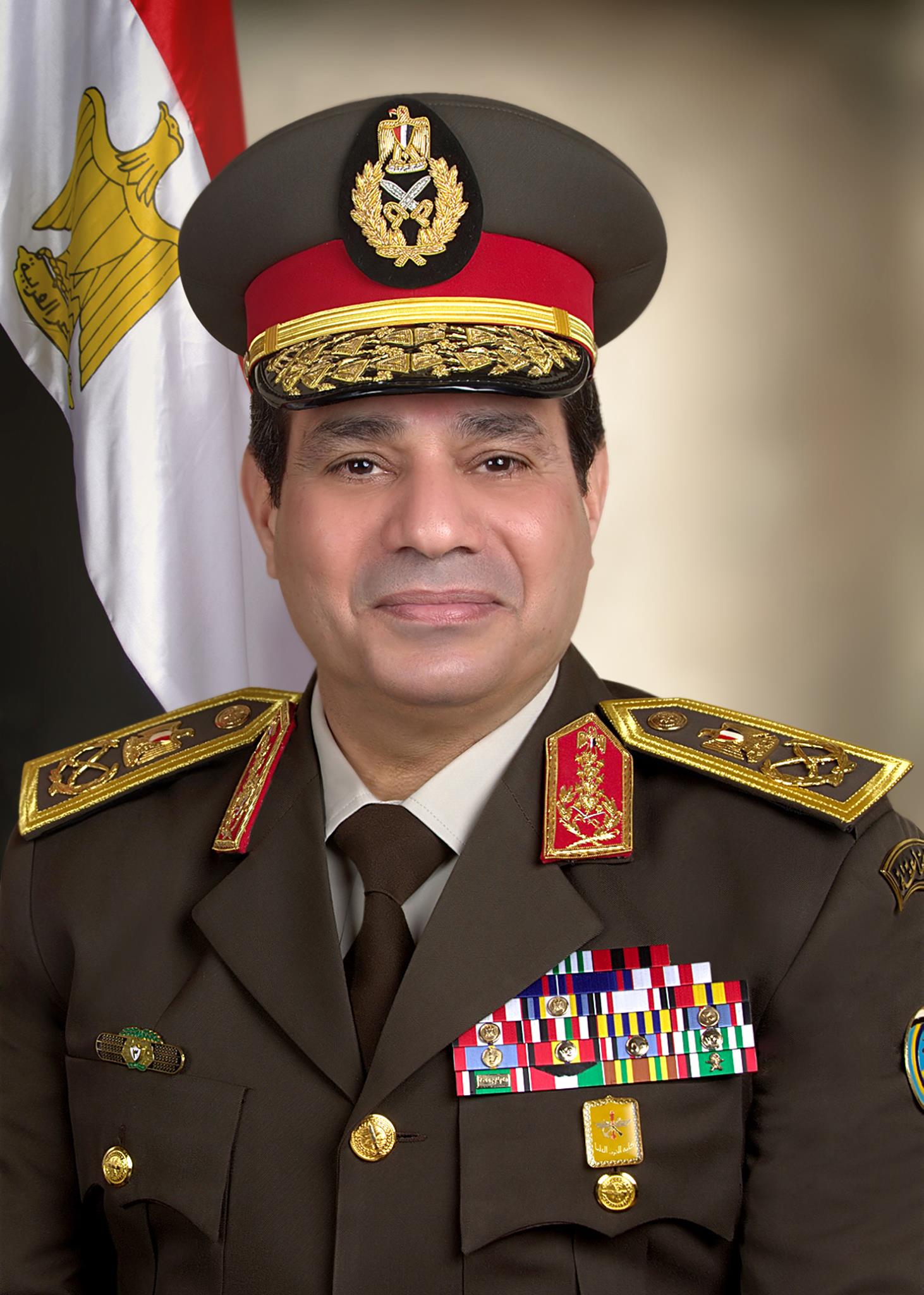
Egyptian President Abdel Fattah el-Sisi said on Saturday that his country is ready to defend Saudi Arabia if the kingdom asks, as fighting between Saudi Arabia and Yemen's Houthi movement widened.
Speaking at a graduation ceremony at the Egyptian Military Academy, el-Sisi said it was "inconceivable" for Cairo to stand by while Saudi Arabia was "harmed or its security and stability threatened". "Egypt, with the directives of His Majesty King Salman and Crown Prince Mohammed bin Salman, will carry out any measure to protect you or defend you," he said. He added: "I'm not talking about fighting anyone or attacking anyone. We are speaking only about defence."
El-Sisi said any deployment would need parliamentary approval and asked lawmakers to convene in an emergency session. Egyptian state media later said parliament would meet on Sunday at his request; the state-run newspaper Al-Akhbar said the session would start at 1:00 pm (1000 GMT).
The offer came as the Saudi-led coalition said it had intercepted and destroyed four drones over Riyadh, the Eastern Province and the south. Coalition spokesman Major-General Turki al-Maliki said the air force also struck Houthi ballistic-missile launchers. Riyadh's King Khalid International Airport has come under repeated attack, including one last week that killed 13 people.
Houthi-affiliated media said Saudi air strikes had killed at least 12 people in Yemen, including three children, and alleged that the coalition used cluster bombs. The coalition did not immediately comment on the cluster-bomb claim.
Egypt joined the Saudi-led coalition in Yemen in 2015, though its role has largely focused on securing Red Sea shipping rather than front-line combat. The renewed war threatens Egypt's Suez Canal revenue, which Foreign Minister Badr Abdelatty said last month had fallen by about $11 billion since Houthi attacks on commercial shipping began in 2023. Egypt has not joined the Makkah mutual-defence pact signed by Saudi Arabia, Turkey and Pakistan.
Iran, which Saudi Arabia accuses of encouraging the Houthi escalation, said it supported a political settlement and repeated an offer to mediate. Foreign Minister Abbas Araghchi told the Organisation of Islamic Cooperation in Baghdad that Tehran backed an "inclusive and comprehensive political process as the only practical and sustainable way" to resolve the conflict.
Reporting from Saudi Arabia indicated the strain on daily life: several embassies restricted travel and warned citizens against using airports, and the education ministry extended remote learning for students in Riyadh and nearby Diriyah.