ScrollBeat

China's economy expanded by 4.5 per cent in the year to September, the National Bureau of Statistics said on Monday, slightly above the 4.4 per cent expected in an AFP poll of economists and faster than the 4.3 per cent recorded in the previous quarter.
Growth over the first nine months reached 4.6 per cent, putting Beijing within reach of its target of 4.5 to 5 per cent for 2026 without a large new stimulus package.
Factory output did much of the work. Industrial production rose 5.5 per cent year on year in September, up from 5.2 per cent in August, while retail sales grew 1.1 per cent, their fastest pace since March but still far behind production.
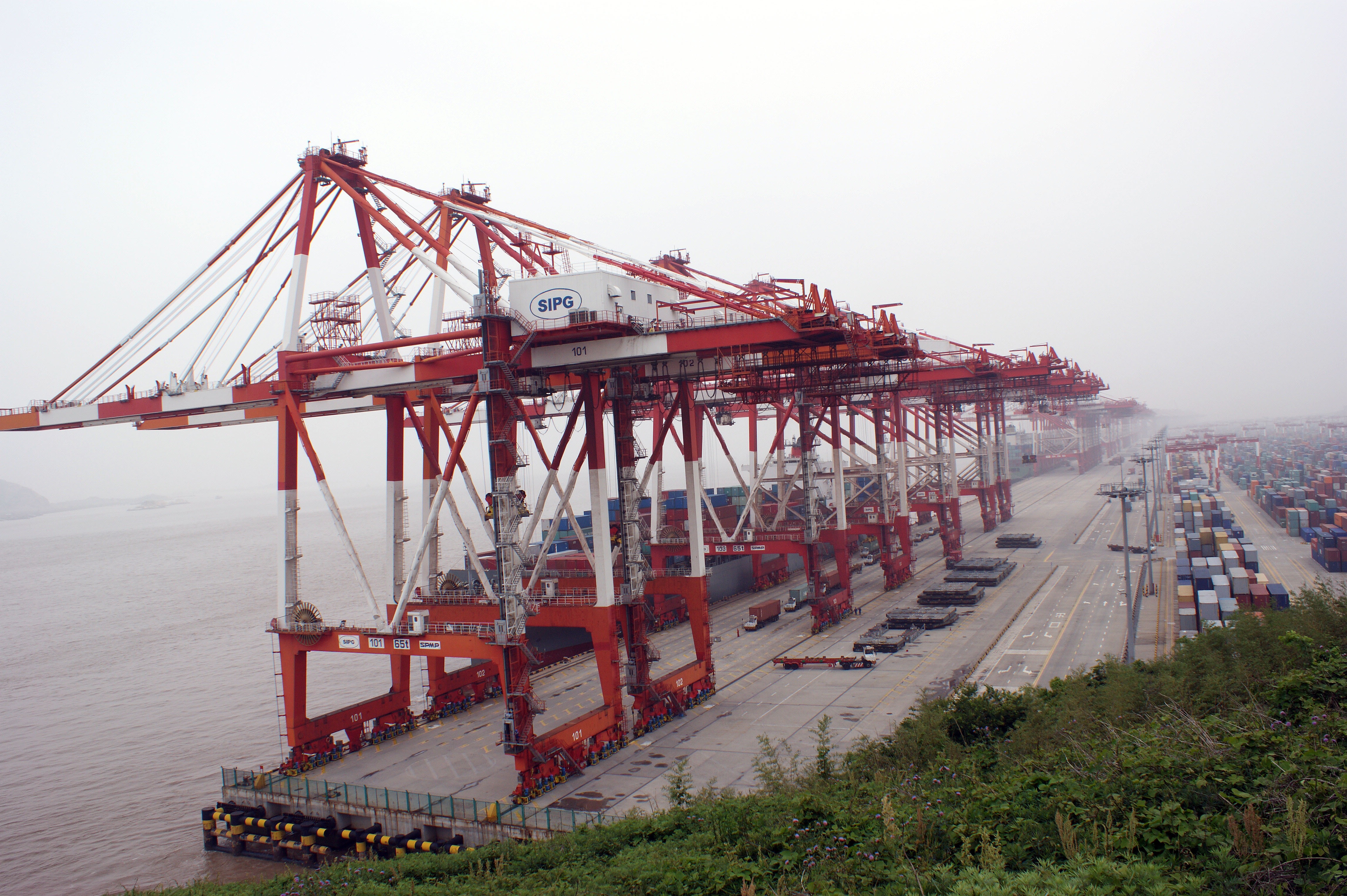
Exports jumped by more than a third in September, helped by foreign demand for electronics, AI-related equipment and cars. China is on course for another record trade surplus that would exceed last year's $1.2 trillion.
The picture was weaker in investment. Fixed-asset investment fell 7.2 per cent in January-September, property investment dropped 20.6 per cent and infrastructure spending remained soft, the Guardian reported.
Mao Shengyong, a deputy head of the statistics bureau, described the international environment as 'complex and volatile' and said domestic demand was 'insufficient'. Economists at ABN Amro said export strength from the global AI and technology boom had more than offset the drag from the Iran conflict and weak consumer spending at home.
Duncan Wrigley of Pantheon Macroeconomics said high-tech manufacturing continued to outperform traditional sectors as China moved up the value chain. Zhiwei Zhang of Pinpoint Asset Management cautioned that momentum remained subdued once inflation was taken into account, and said the stronger headline figure could make Beijing less likely to shift policy in the fourth quarter.