 ScrollBeat

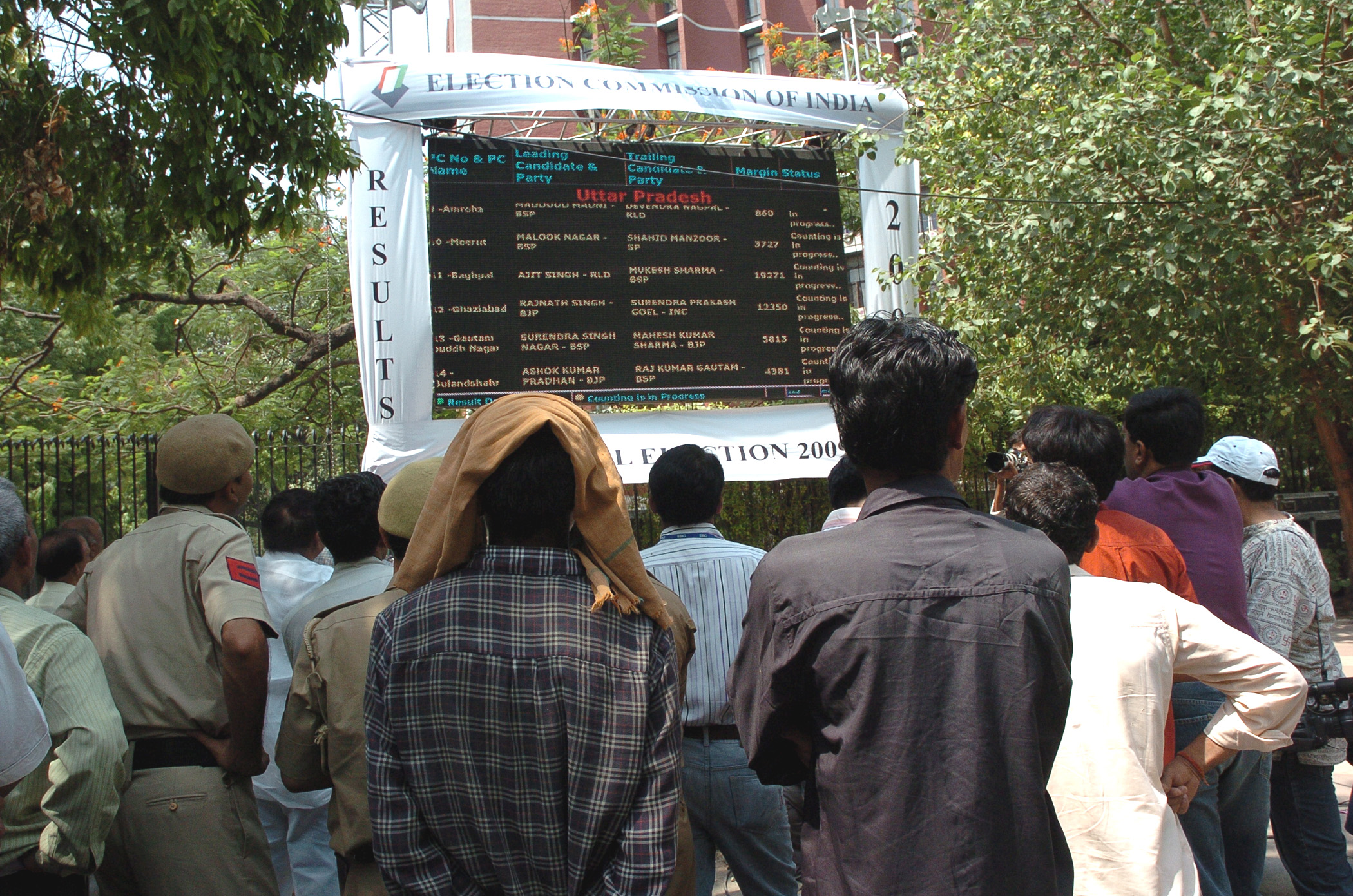
Protests against India's revision of its electoral rolls have spread beyond the country, with solidarity demonstrations in London, Berlin, Dublin, The Hague, Toronto, Vancouver and Los Angeles over the weekend, as a youth-led movement demanding the resignation of Chief Election Commissioner Gyanesh Kumar pressed ahead.
The exercise, known as the Special Intensive Revision (SIR), has removed more than 130 million names from India's voter rolls since last year, a figure cited by The Guardian and other outlets. The Election Commission says the process is meant to remove ineligible and duplicate entries and that eligible voters wrongly excluded can re-enrol. It rejects allegations of political bias.
Critics, including opposition parties and civil-society groups, say the deletions have disproportionately affected Muslims, other minorities and poorer voters, and allege the process gives an advantage to Prime Minister Narendra Modi's ruling Bharatiya Janata Party (BJP). The BJP denies the charge; its spokesperson Sudhanshu Trivedi has called the allegations "disinformation".
The Cockroach Janta Party (CJP), which has led the campaign, said it would decide its next steps once two of its jailed leaders were released. CJP founder Abhijeet Dipke and several student leaders were detained around a large protest at Delhi's Connaught Place on Friday, where police detained more than 100 people citing prohibitory orders. Dipke was released on Saturday under conditions. Two other leaders, Saurav Das and Ashutosh Ranka, were sent to five days' judicial custody and their release remained uncertain on Sunday.
Opposition parties have moved closer to the movement. The Congress and other groups demanded an independent examination of the revision and the suspension of SIR, and Delhi Police on Sunday granted permission for a Congress rally at Ramlila Maidan on 1 November.
Rights groups criticised the police response. Human Rights Watch urged Indian authorities to stop what it described as a crackdown on peaceful protesters and to release people held arbitrarily, while journalists covering the demonstrations reported being detained or manhandled. In Bengaluru, police detained about 50 students and activists during a demonstration on Saturday before releasing them.
The Guardian reported the case of Shahida Fakir, a 38-year-old West Bengal woman who was removed from the rolls despite presenting birth and land records and was later pushed across the border into Bangladesh after being accused of being an illegal immigrant. Three former election commissioners, including O.P. Rawat, Ashok Lavasa and S.Y. Qureshi, have criticised the revision, with Lavasa asking how the deletion of 130 million names could be explained.