ScrollBeat

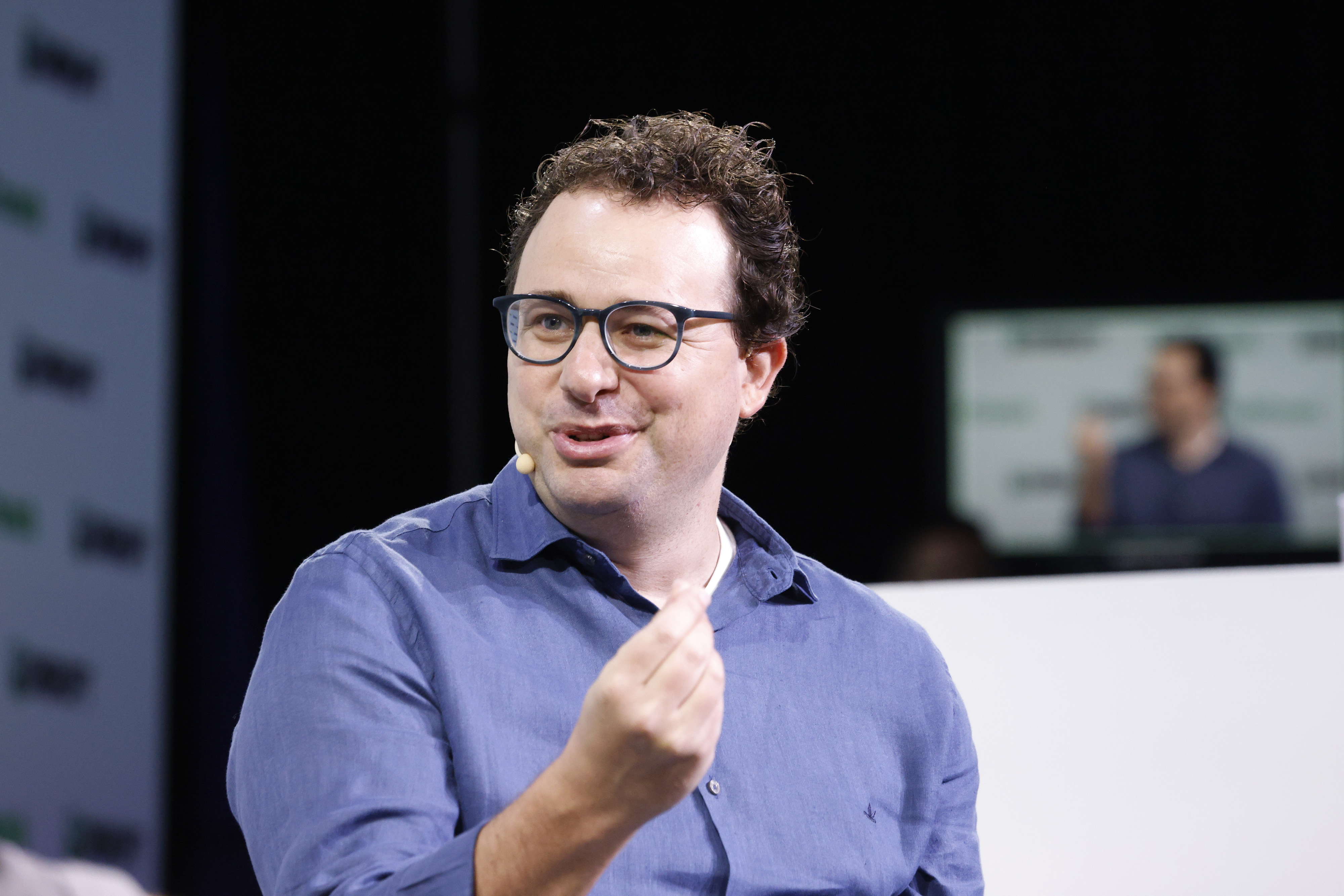
Anthropic said on Sunday it will commit 5% of its shares to a new "public benefit fund" that will make donations for the public good, saying the move would give it "increased flexibility and scale" to support projects for societal benefit.
The fund will be structured as a wholly owned entity inside the company, according to the technology news site TechCrunch. It may also receive an additional 2% of Anthropic's shares for every 50% increase in the company's value, the firm said.
The developer of the Claude chatbot said the money could be used for large donations to established non-profit organisations or for direct payments to specific populations. It said no shares held by the fund would be used for lobbying or political donations in the United States or overseas.
Anthropic said it will publish more details on the fund's structure and governance in the coming months. It has already committed $200 million to study the effect of artificial intelligence on the jobs market, and said that "given the pace of AI progress, bolder approaches may be needed".
The announcement comes as Anthropic lays the ground for a possible blockbuster stock-market listing. The BBC reported the listing could value the firm at more than $1 trillion (about 750 billion pounds). Anthropic told prospective investors that its revenue rose 45% to $16.8 billion in the three months to the end of September.
The company is presenting the fund as a response to concern about AI's impact on society and the economy. It reportedly said in its initial public offering filing that AI could pose "catastrophic or existential risks to humanity". Public sentiment toward the AI industry has grown more negative, with Anthropic chief executive Dario Amodei describing it as "fundamentally a crisis of trust".
Technology billionaire Elon Musk responded to the announcement on social media by saying he recommended giving the shares directly to the public, adding that this is what he would do.
Research published by the International Monetary Fund in 2024 suggested that almost 40% of jobs worldwide will be affected by AI, a figure that rises to as high as 60% in advanced economies.