 ScrollBeat

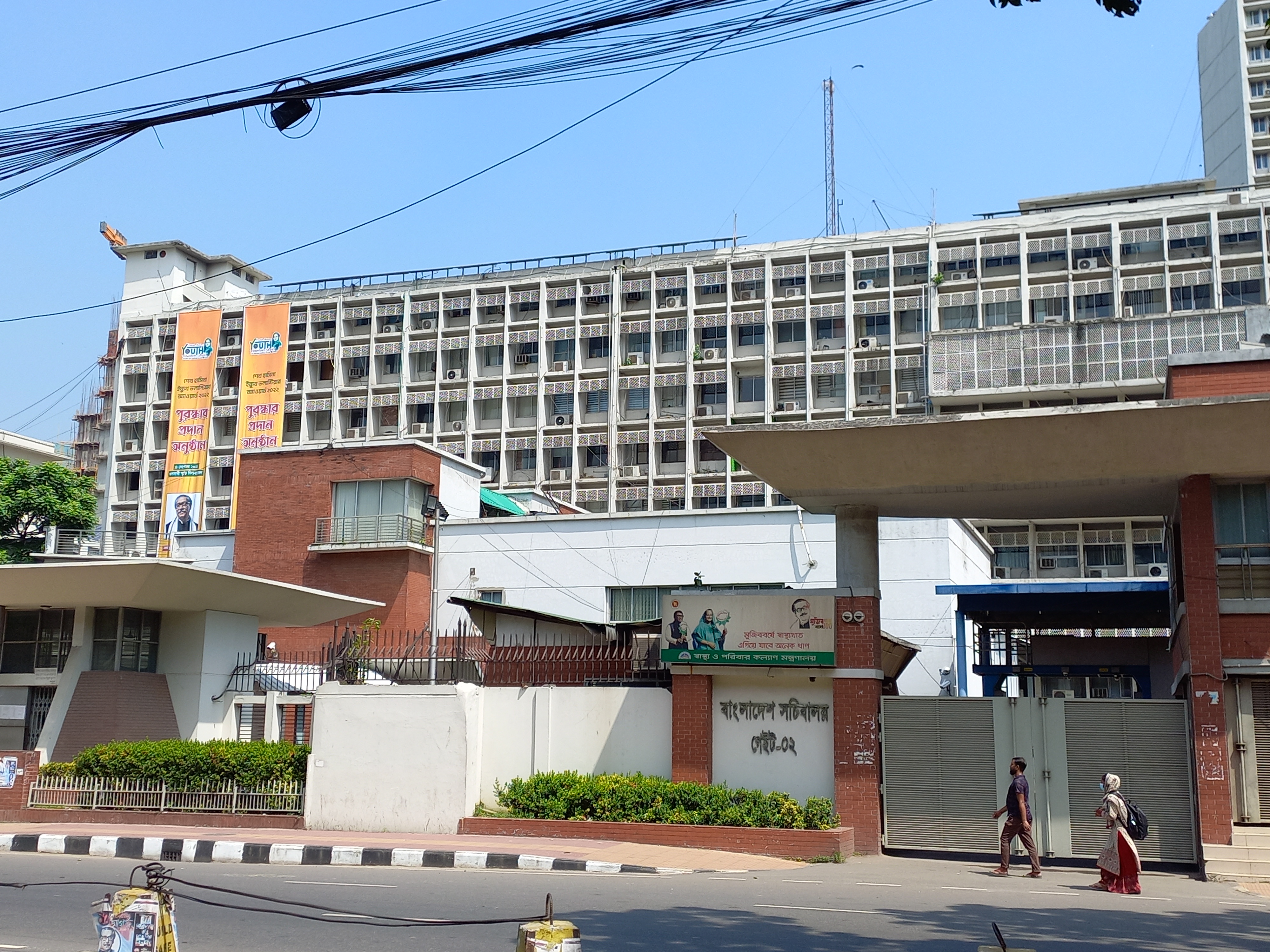
The Cabinet has given in-principle approval to a plan to move the Bangladesh Secretariat from its present site on Abdul Gani Road to Sher-e-Bangla Nagar in Dhaka, where 14 twelve-storey buildings are planned on about 31.58 acres of the former trade fair ground.
The decision was taken at the Cabinet's 25th meeting on Sunday, chaired by Prime Minister Tarique Rahman at the Secretariat. Cabinet Secretary Nasimul Gani briefed reporters on the outcome afterwards.
The new complex would provide around 3.316 million square feet of office space, three basement levels, parking for 3,800 vehicles (200 of them above ground), a mosque, two 350-seat multipurpose halls, a cafeteria and a post office. About 30% of the site is reserved for greenery and water bodies. The design follows the Louis I Kahn master plan for Sher-e-Bangla Nagar and was prepared by the Department of Architecture after a decision by the Executive Committee of the National Economic Council.
The existing Secretariat has around 1.876 million square feet of office space in 13 buildings on 17.57 acres, eight of which were built before independence. Several date to 1937-1947 and were not built to withstand earthquakes, and officials say space is well below demand. More than one million extra square feet are needed for ministries and divisions now operating outside the compound.
The government is aiming to open offices at the new site by 2029, and cost estimates are still being prepared. What will happen to the Abdul Gani Road site has not been settled; Gani said the district administration office and the subordinate courts in Old Dhaka could move there, but no final decision has been made.
At the same meeting the Cabinet also approved the draft of a special ordinance on rooftop solar power, targeting 3,000-4,000 megawatts of capacity before next summer; a proposal to rename the Ministry of Women and Children Affairs as the Ministry of Women and Children; and Bangladesh's proposed accession to the Rotterdam Convention on trade in hazardous chemicals and pesticides.
The solar ordinance, given in-principle and final approval subject to vetting by the Legislative and Parliamentary Affairs Division, sets out two financing models - Operational Expenditure and Capital Expenditure - and is intended to clarify investment, pricing and maintenance rules the government says current law leaves unclear.