 ScrollBeat

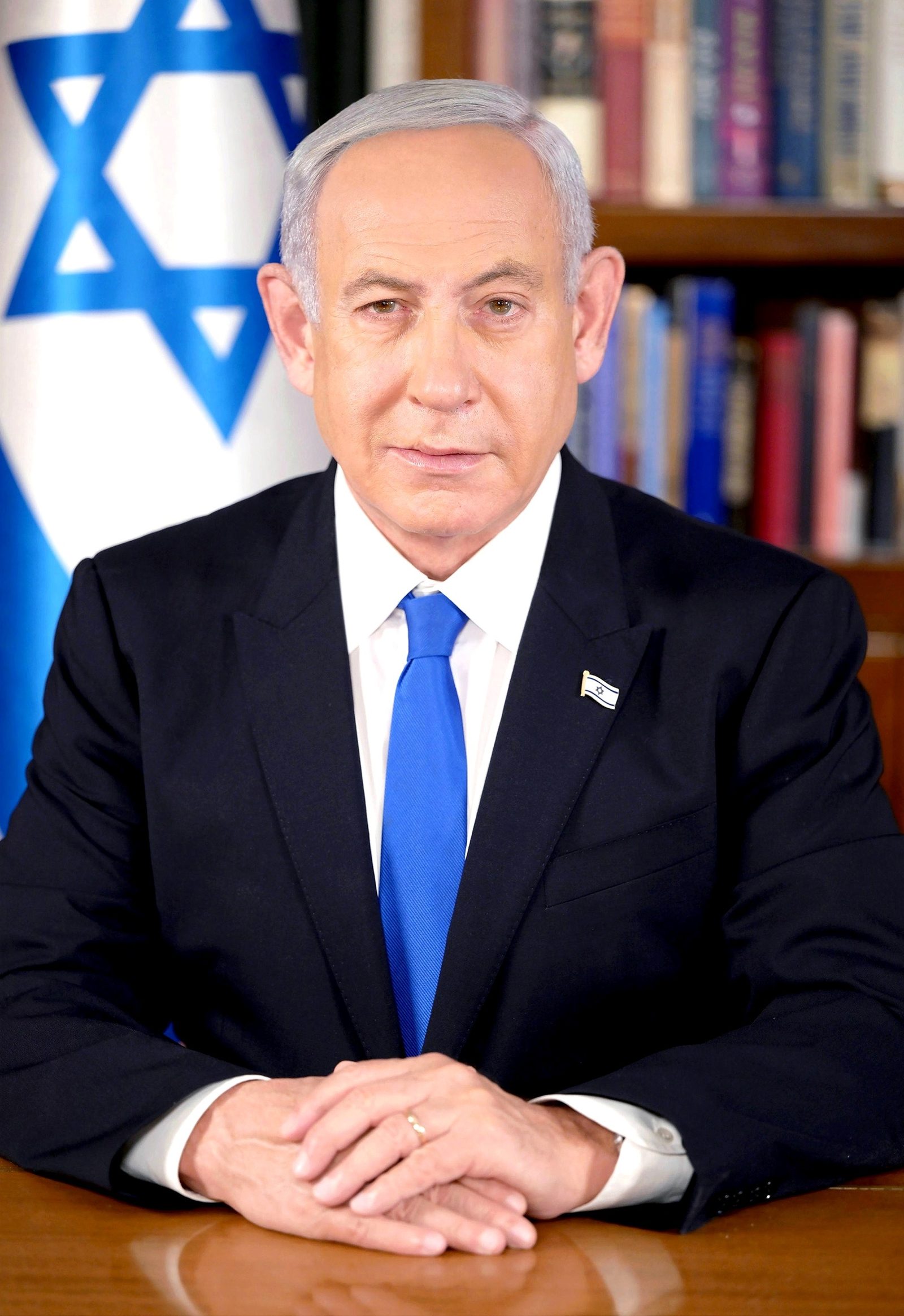
Israel's parliamentary election has ended without a clear winner, with exit polls showing both Prime Minister Benjamin Netanyahu's right-wing bloc and the opposition led by former army chief Gadi Eisenkot short of the 61 seats needed to form a government in the 120-seat Knesset.
The projections do not agree on who is ahead. Channel 12 put Netanyahu's bloc on 52 seats, Eisenkot's bloc on 49 and the Arab List on 19, according to Al Jazeera figures cited by Prothom Alo. Kan 11 and Channel 13, Israel's public broadcaster and a commercial rival, put the two main blocs level at 51 seats each.
At party level, Netanyahu's Likud was projected to remain the largest single party with about 27 seats, while Eisenkot's Yashar was on about 21. The Joint List and Ra'am, the main Arab-led lists, were projected to win a combined 17 to 19 seats, their strongest showing in years, with turnout among Palestinian citizens of Israel rising sharply.
Overall turnout was about 77.7 per cent, up from 70.6 per cent in 2022 and the highest in decades. Israeli commentators treated the figure as a sign that voters on both sides saw the election as decisive after a period of security strain and political deadlock.
The vote was held against the background of the coalition Netanyahu formed after the 2022 election, which relied on far-right and ultra-Orthodox partners and held a narrow majority. That majority is now projected to be gone, and his traditional allies were not seen winning enough seats to rebuild it.
Eisenkot, a former chief of staff who entered politics at the head of Yashar, told supporters at his party's headquarters that the result showed the country wanted change. "It is clear that the people of the country are in favour of change and voted against Netanyahu's failed rule," he said, asking the public to wait for the final count.
He went further, calling on Netanyahu to accept that he had lost public confidence and to leave political life. Eisenkot said he would do his utmost to build a "responsible Zionist government" with partners across the spectrum, that his government would make military service compulsory for all and would work to defeat Hamas. "The era of lies and failure is over," he said.
At Likud's headquarters in Jerusalem, ministers and activists celebrated as the later projections came in. Prothom Alo reported that the party was preparing to allege vote theft if it ends up on the losing side, a claim that would sharpen an already tense count.
The Arab-led parties emerged as the most likely kingmakers. Ahmad Tibi, leader of Ta'al, said his party's main aim was to remove Netanyahu's government and to stop him leading any transitional administration. Their support, or refusal to give it, could decide whether either bloc can reach 61.
Neither leader has conceded. Both are expected to present themselves to President Isaac Herzog as the candidate best placed to assemble a coalition, and Herzog's choice will depend on the official results and on which parties clear the 3.25 per cent threshold.
Several things remain unknown. The final seat distribution has not been published, the smaller parties' totals could still shift, and no coalition talks have begun in earnest. It is also unclear whether Eisenkot's bloc, which ranges from centrist and left-wing groups to right-wing partners, can hold together long enough to negotiate a common programme.
What happens next follows Israel's familiar pattern: consultations with the president, a mandate to one candidate, and up to several weeks of bargaining over portfolios and policy. If no one can assemble 61 seats, the Knesset could dissolve and the country would return to the polls, as it did repeatedly between 2019 and 2022.
For now, the only confirmed outcome is the deadlock itself. The campaign is over, but the question of who governs Israel, and with whose support, is still open.