ScrollBeat

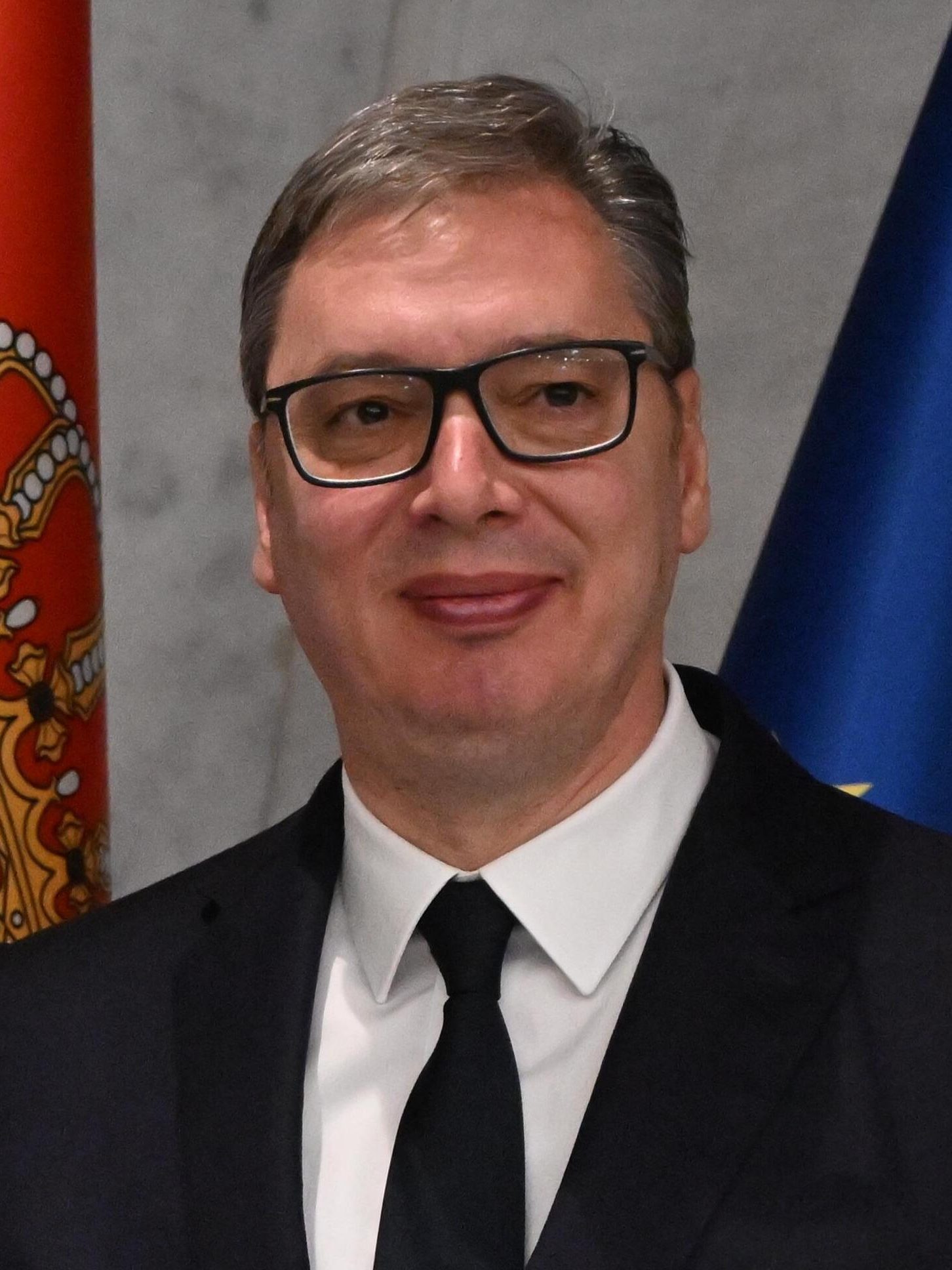
Serbia's Aleksandar Vučić conceded defeat late on Sunday in the country's snap parliamentary election, admitting that the student-led Student List had won and ending more than a decade in which he was the dominant figure in Serbian politics.
"We still do not have final results... it is clear that we have lost these elections," Vučić told supporters at the headquarters of his Serbian Progressive Party (SNS) in Belgrade. He said the Student List was projected to take between 135 and 140 seats in the 250-member parliament, while the SNS would have about 105, and that no other list had crossed the threshold.
The election commission reported record turnout. The BBC reported that 64.9 per cent of voters had cast ballots by 6pm local time, two hours before polls closed, and long queues formed at polling stations in Serbia and in cities abroad with large Serbian communities, including Ljubljana, Munich, Chicago and Los Angeles.
The result is a reversal for Vučić, who spent two terms as president and could not seek a third. He resigned the presidency last month and led the SNS into the election hoping to return as prime minister, the post he held from 2014 to 2017. The move echoed Vladimir Putin's shift from the Russian presidency to the premiership in 2008 in order to keep power.
Celebrations broke out in Belgrade and in Novi Sad once the concession was broadcast. Crowds danced, honked car horns and set off fireworks. "This will be a free state," the Student List's lead candidate, Ilija Srdanović, told BBC Serbian, saying the movement hoped to "free the country from tyranny". Another candidate, Radomir Saicic, said Serbians had shown that "no obstacle was greater than their will", Reuters reported.
The Student List grew out of two years of protest that began after a concrete canopy at the railway station in Novi Sad collapsed in November 2024, killing 16 people. Anger at the disaster, which many Serbians saw as proof of corruption and negligent construction, widened into a movement that drew in teachers, farmers and city dwellers and became the largest challenge to SNS rule since the fall of Slobodan Milosevic in 2000.
The movement has no conventional leadership and fielded candidates from medicine, acting, academia and sport. Its platform included removing officials who broke the rules, barring party loyalists from running public companies and freeing the public broadcaster from political control. Vučić and the SNS have denied corruption and promised higher pensions and public-sector pay and more investment in healthcare.
European leaders welcomed the outcome. European Commission President Ursula von der Leyen congratulated the Student List and said the EU was ready to support reforms on the rule of law, media freedom, the fight against corruption and democratic institutions. Serbia has been an EU candidate since 2012, but its accession process has been stalled over democratic standards and its refusal to join sanctions on Russia.
The vote was held amid tension. Police sealed off streets around the Republic Electoral Commission in Belgrade, where preliminary results were being collected. Vučić blamed independent media for his defeat and alleged foreign interference, without offering evidence; the SNS has repeatedly accused outside powers of trying to unseat him.
Several things are not yet settled. The election commission has not published the full official count, and the seat figures cited by Vučić came from samples rather than the final tally. It is not clear whether the SNS will contest the result, how quickly a new government can be formed, or whether the Student List's majority will hold together once it has to legislate.
The new parliament must now agree on a prime minister, and the Student List has not yet said whom it will put forward. For Serbia's neighbours and its EU partners, the immediate question is whether a protest movement can turn an election victory into a working government. For voters, the promises on courts, media and public companies are the measures by which the result will be judged.