 ScrollBeat

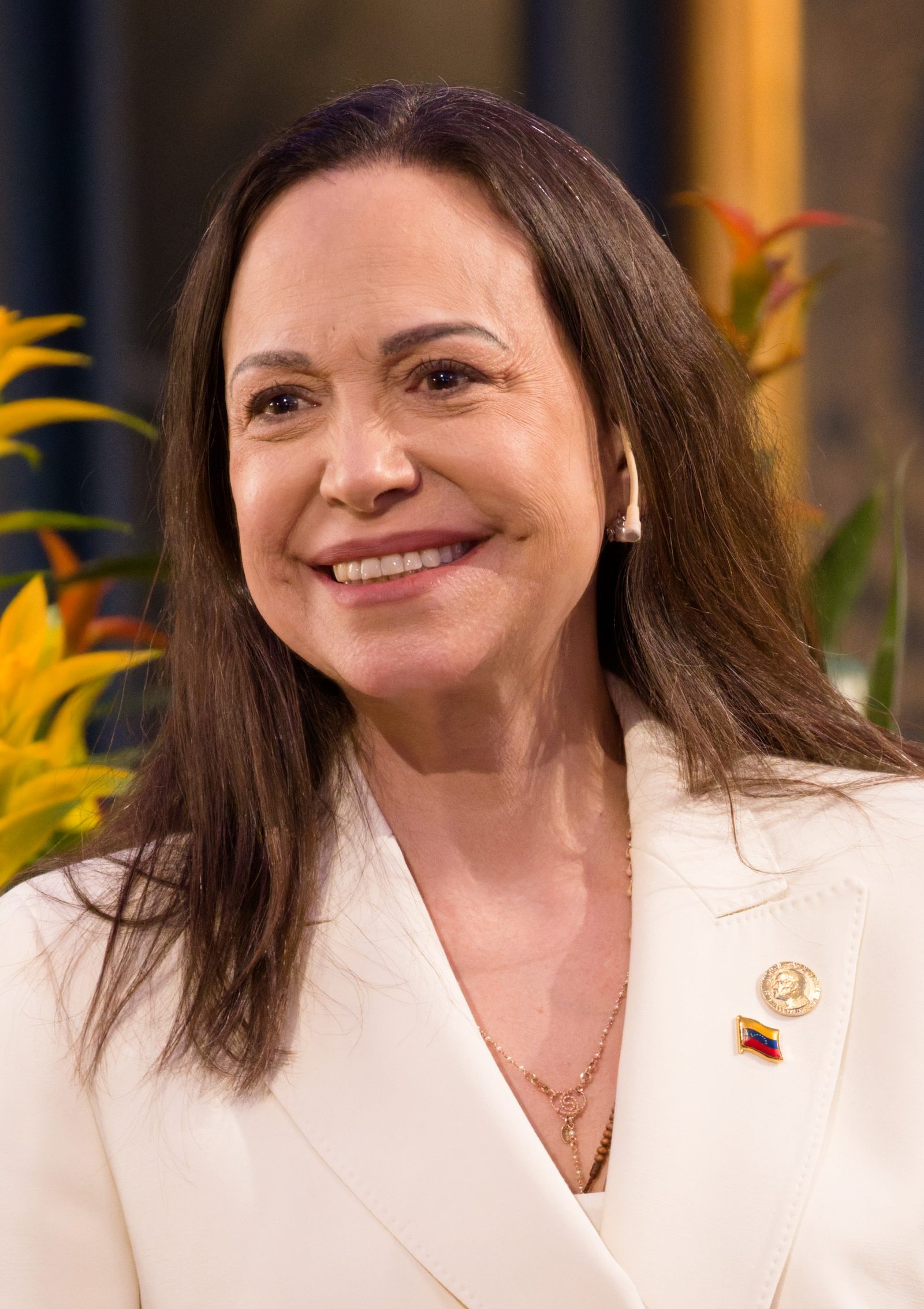
Venezuelan opposition leader María Corina Machado returned to her country on Sunday after more than ten months in exile, reappearing in public for the first time since December and immediately testing the US-backed interim government that has governed without her.
Machado announced her arrival on X with a short message: "I am here. With you." Within hours she was photographed at the Sanctuary of the Divine Shepherdess, a church in Barquisimeto, the capital of Lara state about 220 miles west of Caracas. Supporters who had gathered for Mass applauded, hugged her and held up phones to record the moment, according to the BBC and The Guardian.
She then set off towards the capital in a convoy, greeting crowds from the sunroof of a vehicle as supporters lined the highway. The BBC reported that she reached Caracas late on Sunday night. Videos circulating online showed people shouting "Freedom!" and waving Venezuelan flags along the route.
Her ally Edmundo González, the former presidential candidate who remains abroad, confirmed the return in a statement. "I am thrilled to announce to you that our leader, my dear María Corina, is on Venezuelan soil," he wrote, adding that he would join her "very soon" to push the country "toward freedom".
How she crossed into Venezuela was not immediately confirmed. Two Venezuelan exiles told the AFP news agency that she entered overland from Colombia, but Colombian authorities did not confirm that account. Machado's party sources said she had made at least seven unsuccessful attempts to return in recent months.
The homecoming lands in a political landscape reshaped without her. After the disputed 2024 election, in which the government-aligned electoral authority declared Nicolás Maduro the winner without publishing detailed tallies, Machado went into hiding. She left the country in December 2025 to accept the Nobel Peace Prize in Norway. In January, US forces seized Maduro and removed him from power; he is now jailed in New York and faces drugs, weapons and torture charges, which he denies.
Washington then backed Maduro's vice-president, Delcy Rodríguez, as interim president. She has remained in office beyond the period her mandate was meant to cover, and no date has been set for a new presidential election. The Trump administration has pursued an oil deal with her government, a partnership that critics say has left the democratic transition on hold.
Machado, 59, won an opposition primary in 2023 with more than 90% of the vote but was barred from running for office over fraud and tax allegations that she rejected as politically motivated. In the 2024 vote, González ran in her place; the opposition says its tally showed he won.
The government had previously hinted that Machado would be arrested if she tried to return. There was no sign of security services stopping her on Sunday, and her convoy moved towards the capital without interference. The interim government did not immediately comment on her arrival.
US Secretary of State Marco Rubio said the conditions for her safe return came from the US-supported reconciliation talks, which he said had already freed hundreds of political prisoners and allowed hundreds of opposition figures to return from exile. He urged all political actors to back the process.
Machado's spokesman, David Smolansky, called the return "a major step toward a democratic transition and free, fair, and verifiable presidential elections in the near future" and thanked President Donald Trump, Rubio and the US government. Trump, asked about the news, said he did not know the details but hoped she was safe. "She gave me her Nobel Prize," he said, "so how can I say anything else?"
Machado has said she would run for president again if an election were held and has called for a vote by July 2027. It remains unclear whether the Trump administration supports that timeline, whether the interim government will now negotiate with her movement, or what role she can play in talks that have so far largely excluded her. Those questions are likely to shape Venezuelan politics in the weeks ahead.
For now, the images from Sunday carry a simple political message: the opposition's best-known figure is back on the ground, and the transition has a new, unpredictable participant.