 ScrollBeat

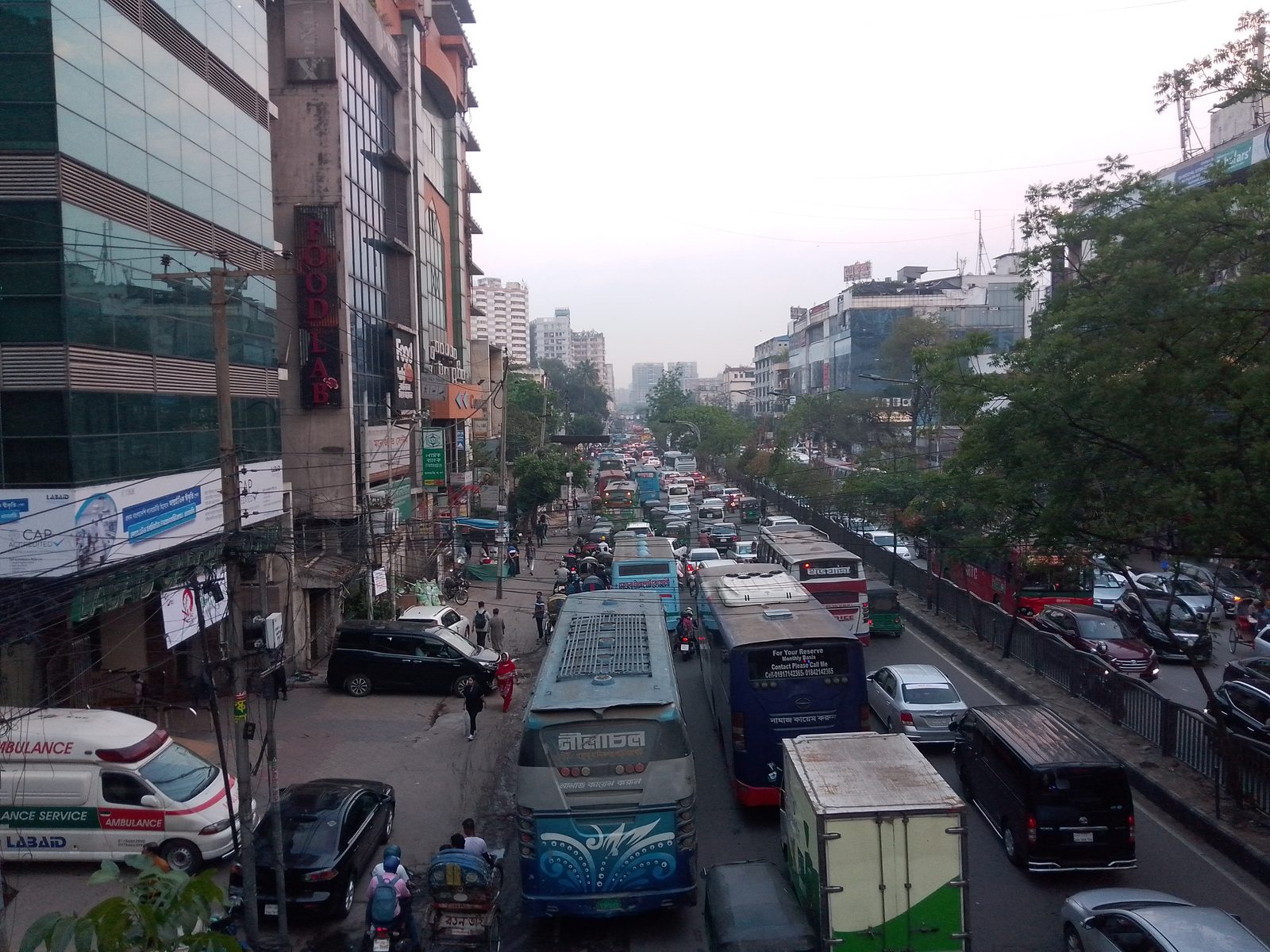
Hospitals and clinics would be legally required to give road crash victims free emergency treatment in the first hour after an accident, without asking for money or paperwork first, under a draft Road Safety Act that the government says is close to going to cabinet.
The Road Transport and Highways Division has finished the draft, which runs to 15 chapters, 111 sections and two schedules. "We have prepared the draft of the law, which will be placed before the cabinet for approval soon," Al-Ameen Md Nurul Islam, deputy secretary of the BRTA's establishment section, told the state news agency BSS ahead of National Road Safety Day 2026.
The most consequential provision concerns what the draft calls the golden hour. It would make free emergency first aid a legal obligation for healthcare facilities, and it identifies the absence of a strict rule requiring hospitals to treat crash victims before payment as a major gap in the current law. The draft also bars hospitals from sending a critically injured patient elsewhere without giving primary care first.
There is a detail still to be settled. BSS reported the proposal as free emergency treatment during the golden hour, while The Daily Star reported in September, when the draft was being prepared, that hospitals would treat victims immediately and the government would reimburse them for the cost. The final wording on who ultimately pays has not been published.
The draft also offers protection to bystanders. It proposes full civil and criminal immunity for people who voluntarily stop to help a crash victim, on the argument that fear of police harassment and court cases discourages the public from intervening.
Drivers would face a demerit point system. Points would be deducted automatically for traffic offences, and a licence could be cancelled once a set threshold is reached. Anyone who commits the same offence a second time would face double the maximum penalty. Pedestrians who do not use a footpath would be fined up to Tk 1,000 for a first offence under the proposed Section 74, and passengers could also be penalised for behaviour that distracts a driver.
The draft covers everyday risks as well. Using a mobile phone, smoking, eating or playing loud music while driving would be offences. Seatbelts would be compulsory, children under 14 or shorter than 135 centimetres would be barred from the front seat, and both rider and passenger on a motorcycle would have to wear a BSTI-approved helmet. Children under six would not be allowed on a motorcycle at all.
Institutions are part of the plan. The law would create a National Road Safety Authority, an integrated central database for crash information, a research fund, a star-rating system for vehicle and road safety, and mandatory safety audits from design through construction. It also calls for speed cameras, crash-prone black spots to be identified and fixed, and footpaths and crossings designed for people with disabilities.
The government argues that a separate law is needed because further amendments to the Road Transport Act 2018 would not cover road engineering, vehicle standards, speed management, pedestrian protection, emergency medical services or coordination between agencies. The draft follows what is known as the Safe System Approach, which treats safe roads, safe vehicles, safe speeds and post-crash care as one problem.
Bangladesh committed at a ministerial conference in Marrakech in February 2025 to pass a comprehensive road safety law by 2027. Road Transport and Bridges Minister Shaikh Rabiul Alam repeated the commitment at a UN meeting in New York in July and again at an event on 14 October, according to BSS. Officials have also promised a speed management manual and helmet guidelines this year.
The case for the law rests on numbers that are themselves disputed. The World Health Organization estimates that about 31,578 people die on Bangladesh's roads each year, while BRTA recorded 5,490 deaths in 2025, a gap of nearly six times. The draft cites the WHO figure and says crashes are a leading cause of death among people aged 5 to 29, and cites World Bank estimates that they cost low- and middle-income countries around 5 per cent of GDP.
Several questions remain open. No date has been given for cabinet consideration, and the government has not published a cost estimate for free emergency care or explained how hospitals will be reimbursed and audited. It is also unclear how pedestrian penalties would work on streets where footpaths are missing, occupied by shops or unusable, or whether the final text keeps criminal immunity for rescuers in all cases.
The next steps are procedural but slow. Cabinet approval would be followed by review at the law ministry and then a return to cabinet before the bill goes to parliament. If the 2027 deadline is met, the practical test will come after that: whether hospitals admit patients without a deposit, whether police record crashes in one database, and whether the authority has the money and staff to fix the roads where people are dying.