ScrollBeat

Every food business in 16 standard categories will have to register with the Bangladesh Food Safety Authority from 1 November, and operators dealing in specialised or higher-risk food products will also need licences, the authority said in a notice issued on Wednesday.
The requirement follows the Safe Food (Registration and Licensing) Regulations 2026, which were published in the official gazette on 16 July. The authority has now set 1 November as the date from which businesses must hold the papers, and it has asked owners to apply before then.
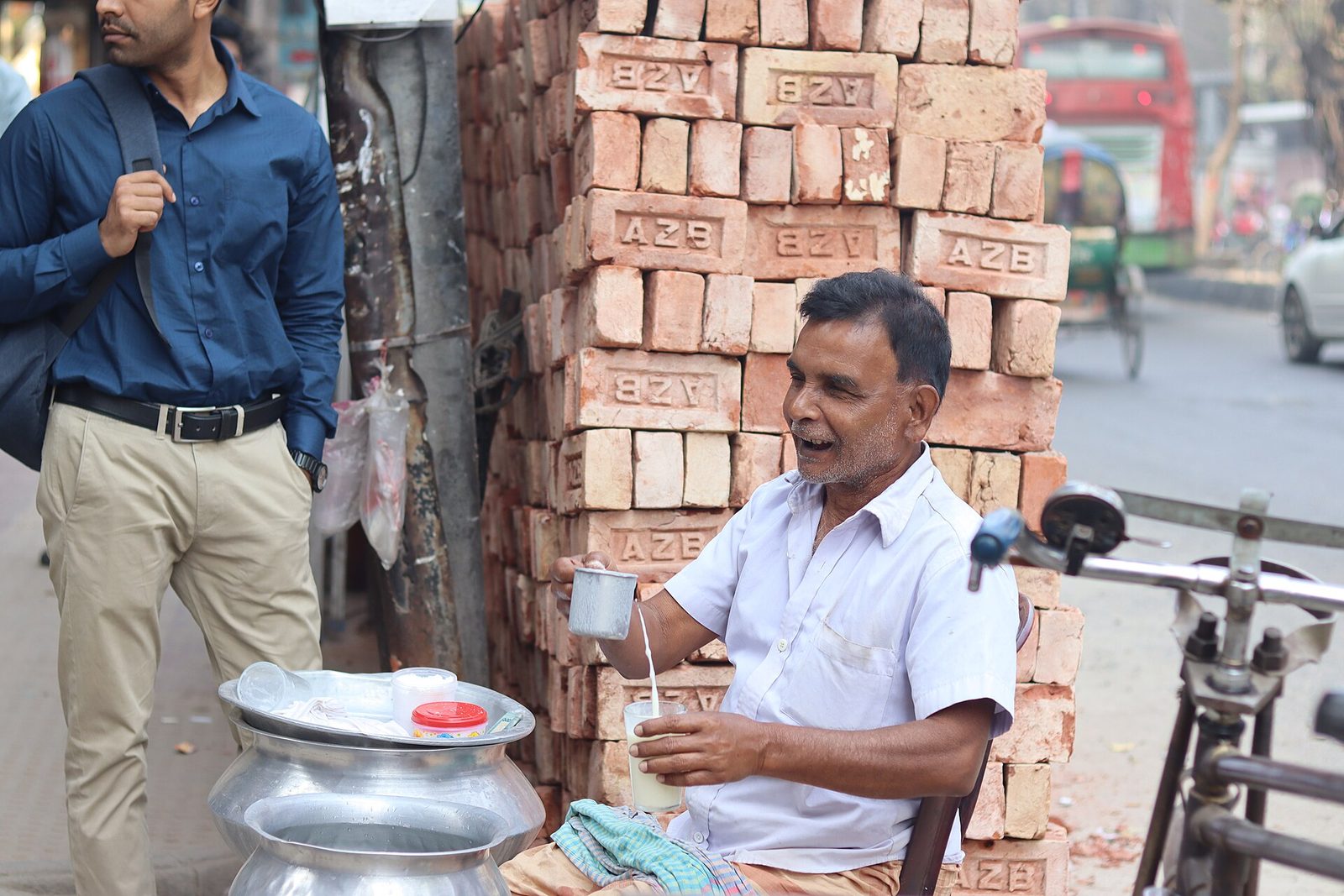
The registration list is broad. It covers restaurants, bakeries, juice bars, pastry shops and catering services, as well as makers of packaged food, sweet shops, dairy producers and importers of processed food. Roadside vendors selling pitha, puri and peyaju are included too. So are wholesale grocery businesses, importers of raw and fresh food, warehouses and cold storage facilities, and producers of edible oil and salt.
The licensing track is narrower and aimed at products that carry more risk or make specific health claims. It covers four kinds of approval: a business licence, a premises licence, a licence for manufactured or imported products, and registration of licensed products. Businesses handling infant formula, foods for older people or people with medical conditions, health supplements, dietetic and medical foods, probiotics and prebiotics, and nutraceuticals fall under it. So do operators dealing in genetically modified, organic, irradiated, novel, functional and fortified foods, and goods that claim health or disease-risk benefits under the 2025 advertising and claims rules.
The authority said first-time registration will be free for the 16 conventional categories. For specialised manufacturers, the premises licence fee depends on floor space: Tk 10,000 for premises of up to 100 square metres, rising to Tk 60,000 for a new licence for premises larger than 10,000 square metres. Registration and licences will be valid for three years and must be renewed after that.
Applications can be made at the authority or at its district offices for now. The BFSA says it is gradually moving towards a fully online system. Once registered, every food package must carry the BFSA registration number, so a buyer can check whether a producer is registered and can quote the number when making a complaint.
The notice is the latest step in a longer effort to tighten oversight of a sector where much of the supply chain, from street stalls to large processors, has operated with little formal documentation. The 2013 Safe Food Act already made it an offence to run a food business without required registration or a licence, and the authority has used mobile courts and fines against outlets in the past. The new regulations set out which businesses need which paper, what they must pay and how long the approval lasts.
What is not yet clear is how the system will work in practice for the smallest operators. The notice did not say how many businesses are expected to register, how district offices will handle the volume, what the penalty will be for a first breach, or whether enforcement will begin immediately on 1 November or allow a grace period. It also did not explain how a vendor with a single stall will manage the paperwork or whether the requirement to print a registration number on packaging will add costs for small producers.
The authority's stated aim is transparency and accountability, and it argues that registration will make production and marketing more orderly and help protect public health. Whether that happens will depend on whether the registration drive reaches the roadside stalls and neighbourhood kitchens that feed most of the country, and whether inspections follow the paperwork.
From 1 November, customers can start looking for the BFSA number on packaged food, and businesses that have not applied will be trading outside the rules. The next signals to watch are the authority's guidance for small vendors, the first enforcement actions after the deadline, and whether the promised online application system arrives on schedule.