ScrollBeat

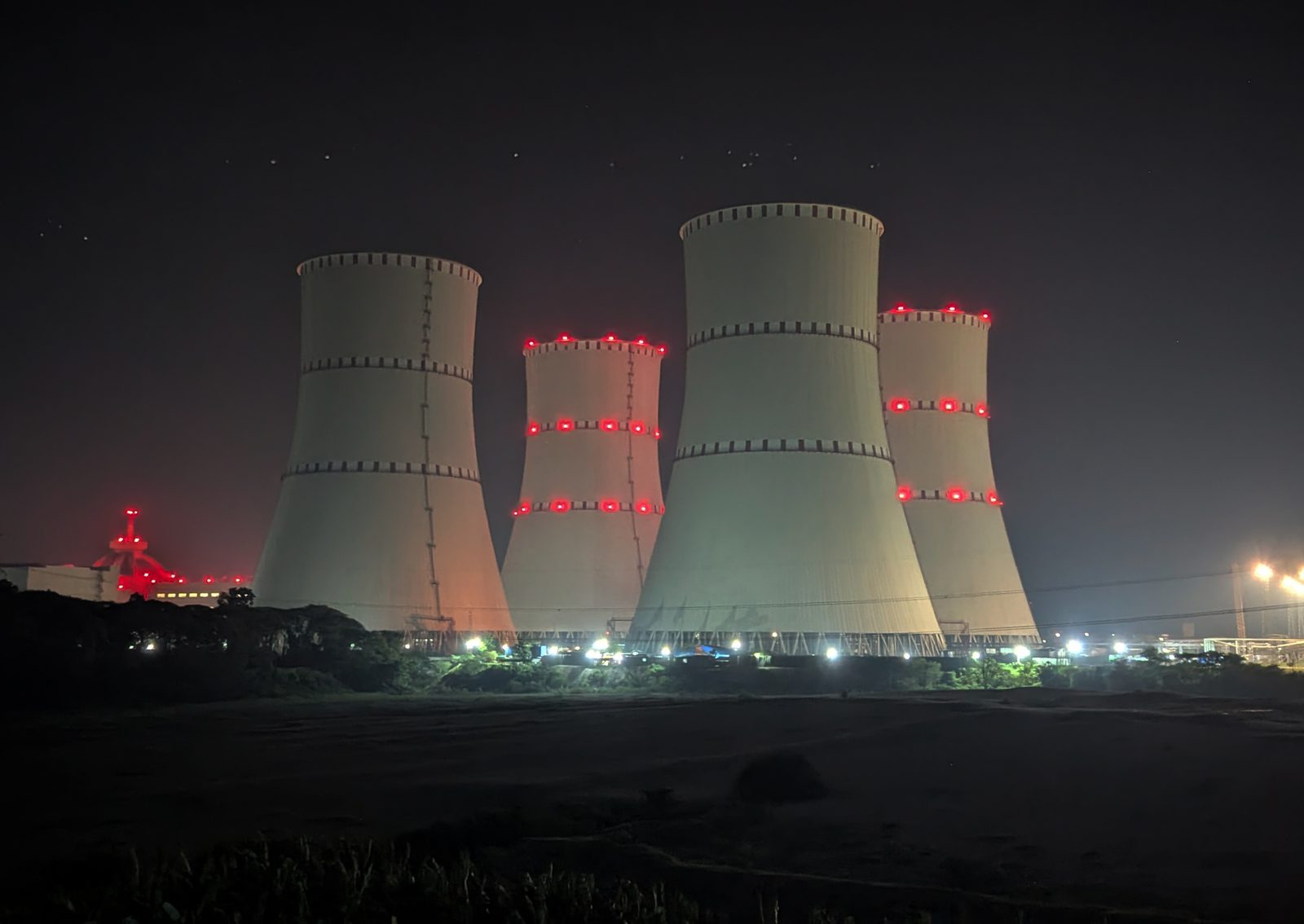
A second consignment of uranium fuel for the second unit of the Rooppur Nuclear Power Plant reached the site in Ishwardi, Pabna, at 10:03am on Wednesday, after a convoy carried it from Dhaka airport under army escort.
The convoy left Hazrat Shahjalal International Airport at 4:56am. Police, the Special Security Force and intelligence agencies were deployed along the Dhaka-Ishwardi route, and important roads and junctions were placed under special security. The aircraft carrying the fuel had landed at the airport on Tuesday night, and officials of the Bangladesh Atomic Energy Regulatory Authority received it there.
Asadur Rahman, officer-in-charge of Ishwardi police station, confirmed the arrival, saying the convoy entered the project area around 10am under heavy security.
Rooppur is Bangladesh's first nuclear power plant, built at Ishwardi on the bank of the Padma with Russian technical and financial support. Construction began in 2013 at an estimated cost of more than Tk 1.13 lakh crore. Its two VVER-1200 reactors are designed to produce 1,200 megawatts each, for a combined 2,400MW. The first unit finished loading its fuel in May, and the second is still being prepared for its own fuel load.
The deliveries are tied to the most delicate phase of the project. The Ministry of Science and Technology said a nuclear reaction began in the first unit for the first time on 11 October, a milestone that follows months of checks. A ministry official said at the time that several days would be needed to confirm the reaction was stable before further commissioning tests, and that electricity generation could begin on 20 November.
On 15 October, Science and Technology Minister Faqir Mahbub Anam said the government was trying to send about 300MW from the first reactor to the national grid by November. He also said fuel was due to be loaded into the second reactor around June next year, which suggests the consignments arriving now will be stored at the site well before they are used.
The shipment schedule has slipped once already. A flight due on 24 September did not operate because clearance to use Pakistani airspace had not been granted. Pakistan described the matter as a technical and procedural question about flight routing. Rosatom, Russia's state nuclear corporation, then moved deliveries to October through December.
Under the present plan, seven shipments will bring fuel for the second unit and two more will refuel the first, for nine in total, all expected by December. Wednesday's was the second for the second unit; the first reached the site on 3 October.
Engineers and project officials now say the plant could supply 200MW to 300MW to the grid on a trial basis by December if preparations stay on schedule. The gap between that forecast and the November target announced earlier has not been explained publicly. Commissioning tests, rather than a fixed calendar, will decide when the reactor is connected.
Several things remain unclear. Officials have not said how many fuel assemblies arrived on Wednesday, how long the fuel will be kept in storage before it is loaded into the second unit, or whether the remaining flights will meet the December timetable. No detailed public commissioning schedule has been released.
For a country that has spent years coping with fuel shortages and costly energy imports, even a few hundred megawatts from Rooppur are being watched closely. The plant is also a test of Bangladesh's ability to run a nuclear facility safely, including the handling and safeguarding of fresh fuel, which is why each convoy moves under army protection and regulatory custody.
What happens next is a sequence of tests. The first reactor must run at increasing power, the turbine and grid systems must hold, and the regulator must clear each stage before more electricity is fed into the national grid. Fuel deliveries will continue in parallel.
Officials have not said when the second unit is expected to begin generating power. For now, the immediate task is to bring the remaining consignments in safely and to complete the checks that stand between a working reactor and a working power station.