ScrollBeat

Bangladesh has formally asked Saudi Arabia for the judgments and case files of two Bangladeshi cleaners executed in the Makkah region on 14 October, after Dhaka said it was not told in advance that they had been sentenced to death or that the sentences had been carried out.
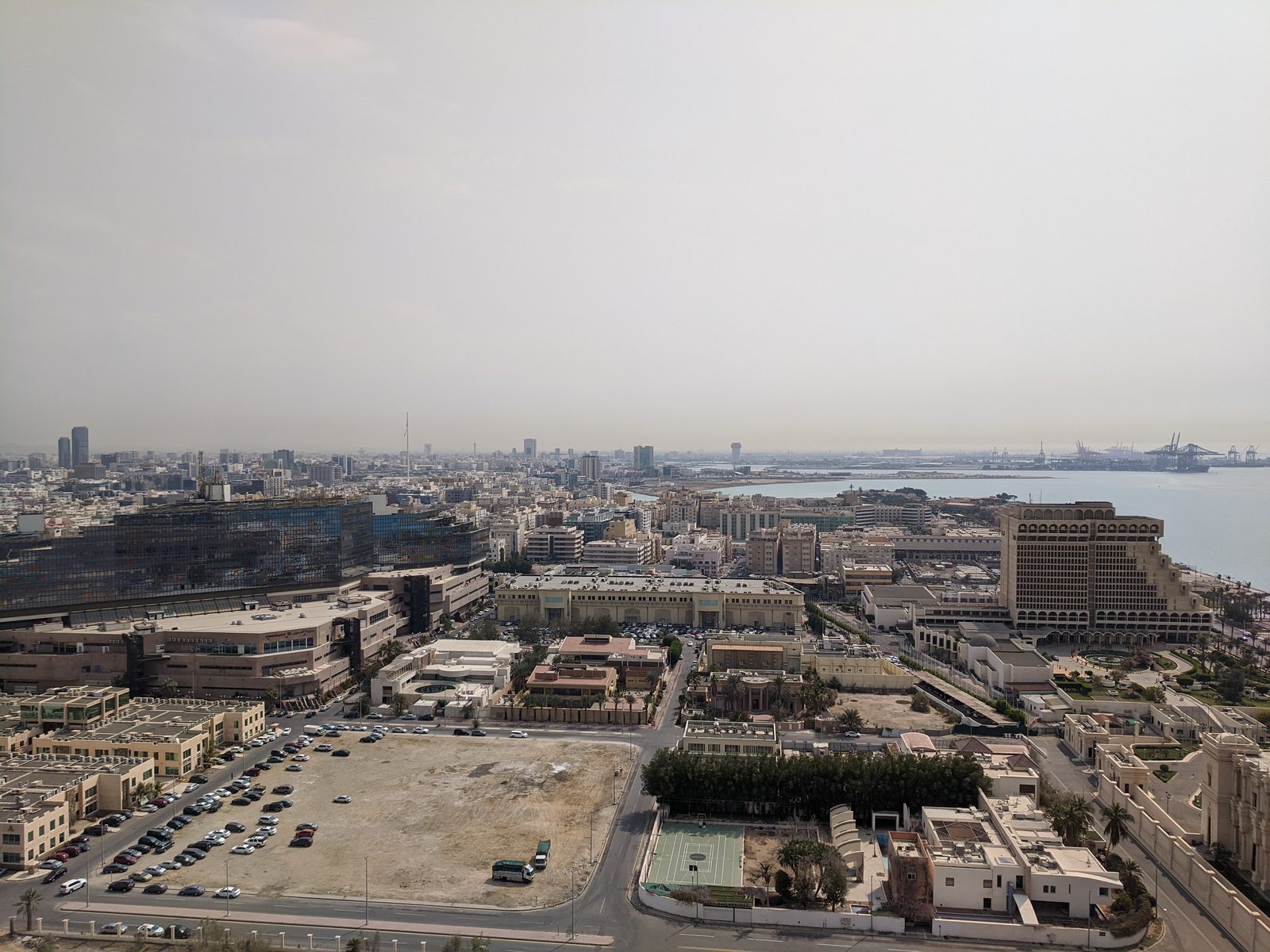
The Saudi interior ministry named the two as Nazrul Islam Abdul Basir and Siti Akhtar, both Bangladeshi nationals. The woman's family gives her name as Sweety Akhtar. Both had worked as cleaners for Al Majal, a Saudi company, according to a confidential memo from the Bangladesh Consulate General in Jeddah that was sent to the Ministry of Expatriates' Welfare and Overseas Employment on 18 October and reported by The Daily Star.
The memo says the two had been held since August 2023. Nazrul was detained on 1 August that year under Saudi Arabia's cybercrime law, while the woman was detained the following day on an allegation of adultery. They were held at the Jeddah Correctional Facility and Jeddah Women's Prison respectively.
A prisoner list the consulate received on 30 September included both names among 97 detainees but did not record that either faced a death sentence, according to the memo. It gave short descriptions of offences for other prisoners; the corresponding column for the two Bangladeshis contained no such detail.
Saudi Arabia's interior ministry announced the executions in a statement carried by the Saudi Press Agency. It said the two had been convicted of an "immoral act" inside a mosque in Makkah, that the sentence was imposed under ta'zir, a form of discretionary punishment in Islamic law, and that it was upheld by the competent judicial authority before a royal order was issued. The statement did not describe the act or say how the executions were carried out.
The consulate says it learned of the executions from media reports, not from the Saudi government. Its memo states that neither the embassy in Riyadh nor the consulate general in Jeddah was informed officially or unofficially about the death sentences or their implementation. It has since sent a note verbale to the Makkah branch of the Saudi Ministry of Foreign Affairs seeking copies of the judgments and details of the proceedings, and says a further report will follow once the documents arrive.
The memo also says the consulate knew of no earlier case in which a Bangladeshi national had been sentenced to death in Saudi Arabia for an offence under the cybercrime law or for adultery. It notes that interpreting help is available in Saudi courts but that defendants cannot choose their own interpreters under the arrangement described, and it does not say whether either of the two had an interpreter or a lawyer during their trials.
The document puts the number of Bangladeshis held in Saudi Arabia's western region at 306. Of them, 147 were serving prison terms of between one month and 15 years. It also cites three separate cybercrime cases in which the terms ranged from six months to five years.
The consulate says it had received no application or communication from either prisoner's family asking for legal assistance. That gap matters because the memo was compiled after the executions had already taken place, and the consular record contains no indication that Dhaka was given a chance to intervene before the sentences were carried out.
The case has also left questions about identity and family notification. The consular memo spells the woman's name as Suety Akhter, while her family uses Sweety Akhtar. Relatives have said they learned of the execution from news reports rather than from officials, and the process by which the bodies would be returned has not been publicly confirmed.
Several points remain unresolved. Saudi Arabia has not released the full court record or explained how the allegations recorded in the September prisoner list relate to the offence for which the two were executed. It is not publicly known whether they were married, what evidence the court considered, or whether they had any legal representation. Bangladesh has not said whether it will seek a review of the sentences or ask for consular access to the case file beyond the documents it has requested.
For Bangladeshi migrant workers, the case has sharpened a familiar concern: that a worker can be detained, tried and executed abroad while the family at home waits for information. Saudi Arabia remains one of the largest destinations for Bangladeshi labour, and the consulate's own figures show hundreds of Bangladeshis in prisons across the western region alone.
What happens next will depend on Riyadh's response to the note verbale. If the judgments arrive, Dhaka will be able to compare the court's findings with the consular record and tell the families what happened. Until then, the official account rests on a short interior ministry statement and a confidential memo that raises more questions than it answers.