ScrollBeat

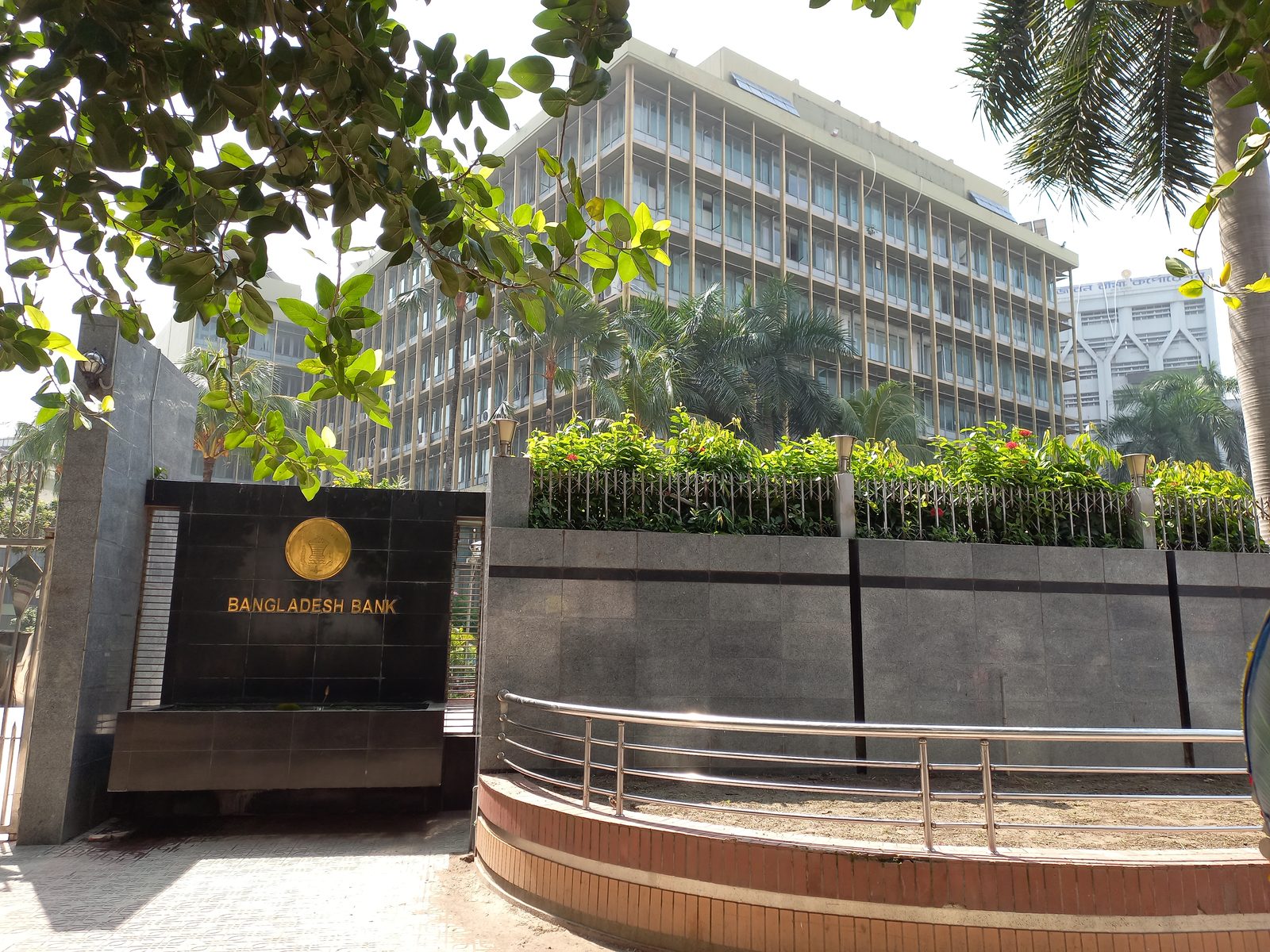
Bangladesh Bank took its official website offline on Thursday evening, with a spokesperson saying the move was a precaution against cyberattacks aimed at central banks around the world.
As of 7:30pm, visitors could not reach bb.org.bd. A notice on the page said the service was undergoing scheduled maintenance and would return shortly, without giving a time.
Arief Hossain Khan, the central bank's spokesperson and an executive director, said the site had been shut because of an urgent security concern. "Central banks around the world are being targeted by hackers, so Bangladesh Bank's website has been taken down as a precautionary measure to protect it from cyberattacks," he told reporters. The site would be restored once the necessary security steps had been completed, he added, but did not say when that would be.
Bangla Tribune reported that the outage coincided with a high alert issued by the government's BGD e-Gov Computer Incident Response Team over cyberattacks in the country. The central bank did not say what kind of security problem it had found, when the site first went down, or whether any data or internal systems had been affected. Nor did it say whether the outage was connected to the global software flaw that dominated cyber defences on Thursday.
The timing was notable. On Wednesday, PHP developers released emergency fixes for two critical vulnerabilities in the programming language used by a large share of the world's websites. Government sites in Europe and elsewhere went dark as operators rushed to patch their systems. By Thursday, agencies across Asia were inspecting their networks: Japan's Mitsubishi UFJ Financial Group suspended some internet services, South Korea raised its private-sector cyber alert level, and China's industry ministry urged organisations to upgrade immediately.
Cloudflare chief executive Matthew Prince said attempts to exploit the flaw rose from thousands before the public announcement to millions within hours, according to Reuters. That scale helps explain why institutions handling sensitive data have been unusually cautious, even where they have no evidence of a breach.
Bangladesh Bank is not a newcomer to cybercrime. In 2016, hackers used fraudulent instructions on the international SWIFT messaging network to steal $81 million from the bank's account at the Federal Reserve Bank of New York, one of the largest cyber thefts ever recorded. The case led to a global review of how banks secure interbank messaging and prompted changes in Bangladesh's own cyber defences.
The bank did not say that branches, ATMs or interbank transactions had been disrupted, and the website is a public information channel rather than the system that clears payments. It also did not confirm that other services were unaffected, or describe the security review now under way.
The site normally carries circulars, exchange rates, reserve figures and notices that banks, businesses, journalists and researchers rely on. A long outage would make routine public information harder to obtain even if payment systems keep running normally. It was not clear whether the bank had moved any of that material to another platform.
What happens next will depend on the findings of the security review. The central bank has said only that the site will return after protective measures are in place. It has not set a deadline, identified any suspected attacker, or said whether it has called in outside forensic help. The government's cyber response team has not published details of its alert.
For now, the clearest facts are narrow: the website is down, the shutdown was described as deliberate, and it came at a moment of heightened anxiety about the security of financial institutions across the region.