ScrollBeat

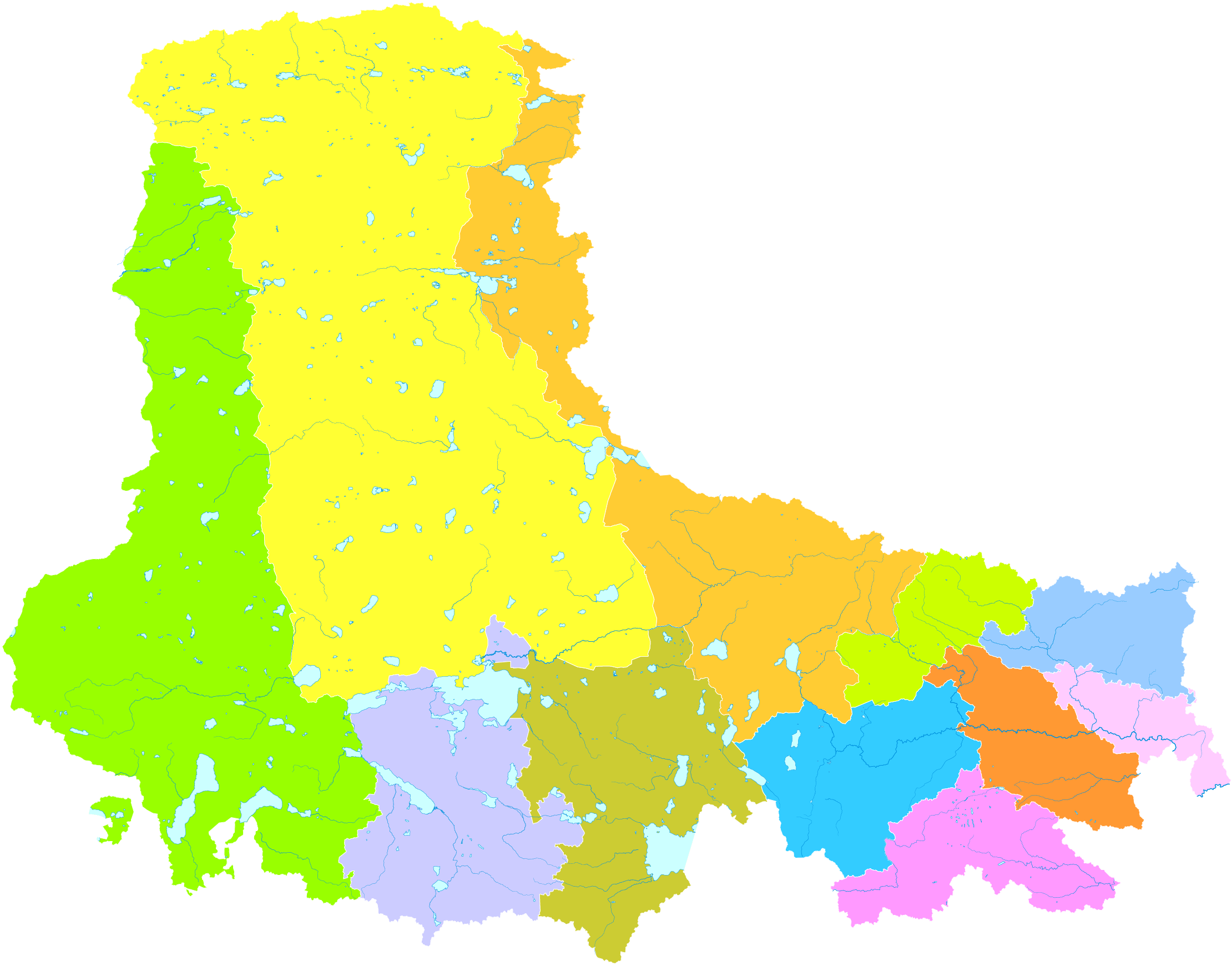
Rescue teams in northern Tibet are searching high-altitude villages after a magnitude 7.0 earthquake killed at least 16 people and injured more than 50, Chinese state media and the Nagqu city government said on Friday.
The quake struck Baqen County in Nagqu at 10:33pm local time on Thursday (16:33 GMT), according to the China Earthquake Networks Centre. The US Geological Survey placed the epicentre about 191km east-northeast of Nagqu city and the depth at 18km, while Chinese authorities recorded a depth of 10km. The county lies roughly 400km north-east of Lhasa, the regional capital.
The Nagqu city media office, cited by the Associated Press, said 54 people had been injured and that at least 339 homes and 20 livestock sheds had collapsed. The BBC, citing Chinese state media, reported 16 deaths and 32 injured. The difference in the injury figures could not immediately be reconciled, and officials were still surveying villages cut off by rockfall and damaged communications.
Power was lost across parts of the affected area, and rockfall forced the closure of a section of National Highway 317, where only emergency, rescue and official vehicles were allowed through. Railway authorities halted trains passing through the region as a precaution. China's state broadcaster CCTV said it was the strongest earthquake in the area in five years.
Snow is forecast in the quake zone over the next three days, which could slow the search. The villages sit on the Tibetan plateau at an average elevation of about 4,800 metres, where night-time temperatures fall well below freezing and the thin air is punishing for rescue teams arriving from lower ground.
Authorities declared an emergency and deployed firefighters, medical teams and emergency supplies. State media said rescuers were working through the night, and that some residents had left their homes and sheltered outside or in parked cars after the shaking.
The Tibetan plateau is one of the most seismically active regions in the world, formed by the collision of the Indian and Eurasian tectonic plates. In December 2023, a magnitude 6.2 quake in neighbouring Gansu province killed more than 120 people. In 2010, a magnitude 7.1 tremor struck Yushu in Qinghai, about 280km away, killing at least 2,698 people.
The region is still recovering from another disaster. Less than two months ago, floods and landslides unleashed by a glacier collapse killed at least 1,400 people across Tibet and Nepal, and hundreds more are still missing.
Much remains unknown. Officials have not said whether anyone is still trapped, how many people are missing, or whether schools, clinics and other public buildings were damaged. Communications were disrupted in parts of the county, and it is not clear how many remote settlements have yet to be reached. Aftershock activity has also not been fully reported.
Tibet is tightly restricted for foreign journalists, so official Chinese statements are likely to remain the main source of information in the coming days, and independent confirmation of the damage may take time. The government has not announced a national relief package or a visit by senior leaders.
The quake was far from Bangladesh and there was no indication that it affected the country. Bangladesh sits on the edge of the wider collision zone and has its own long-standing seismic concerns, but Thursday's epicentre was deep inside the Tibetan plateau.
What happens next will depend largely on the weather and on how quickly crews can clear the highway. Officials are expected to publish updated casualty figures as survey teams reach the remaining townships, and relief camps may be needed if thousands of homes are found to be unsafe.