 ScrollBeat

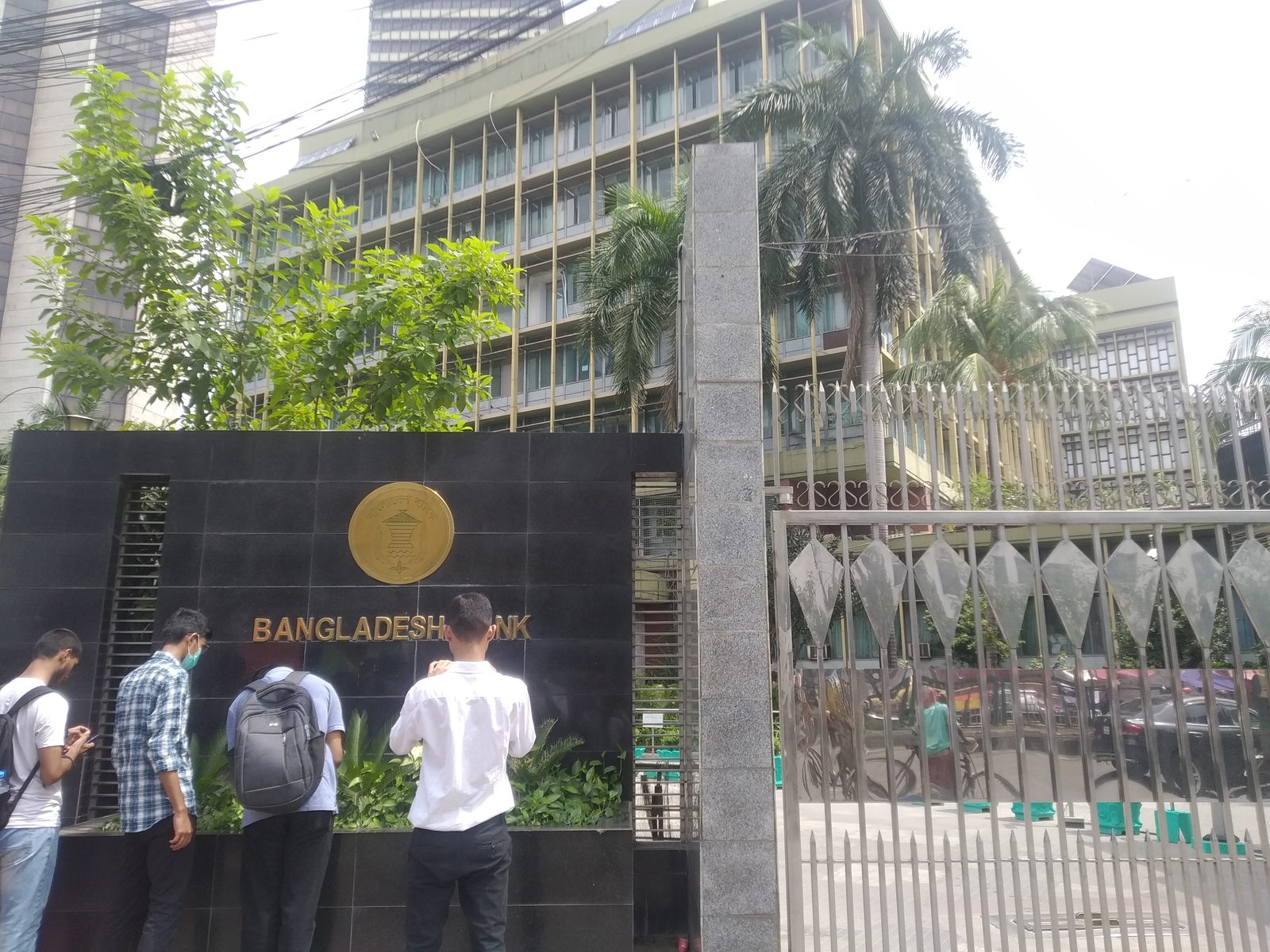
Bangladesh Bank has allowed hotels, resorts, restaurants, shopping malls, retail outlets and other businesses that sell to foreign visitors to keep part of the foreign currency they receive through internationally issued cards, instead of converting all of it into taka.
The facility was introduced in a circular issued by the central bank's Foreign Exchange Policy Department-2 on Sunday, 25 October. It covers payments made with internationally issued cards and other admissible payment instruments.
Under the rules, an authorised dealer bank may open a foreign currency account in a merchant's name and credit the retained money there. The amount kept may not exceed 15 percent of the total foreign currency receipts the business collects through card acquiring services. The remaining 85 percent must be encashed in taka.
The money held in the account can be used to settle legitimate foreign exchange obligations arising from current account transactions, including payments made through international cards. In practice, a hotel that hosts foreign guests can use the dollars it keeps to meet some of its own eligible foreign currency bills instead of buying those dollars from the market.
The circular sets conditions for banks. An authorised dealer must make sure the merchant can accept payments through internationally issued cards and other permitted instruments. It must also deduct and pay applicable taxes and value-added tax, follow customer identification, anti-money laundering and terrorist financing rules, and meet reporting requirements to the central bank.
The change matters because Bangladesh earns relatively little from foreign cardholders compared with what its own residents spend abroad. In August, foreign-issued cards were used for about Tk 249 crore of transactions in Bangladesh, while cards issued in the country were used for about Tk 987 crore abroad, according to Bangladesh Bank data reported by The Business Standard. Bangladeshis therefore spent nearly four times as much abroad on their own cards as foreign visitors spent in Bangladesh on theirs.
Spending on foreign cards in Bangladesh rose 6.27 percent from July and 34.66 percent from August 2025, the data showed. Department stores took the largest share at 35.25 percent, followed by cash withdrawals at 23.76 percent, transport at 12.99 percent and clothing stores at 9.17 percent. Cards issued in the United States accounted for 21.29 percent of the transactions, those from the United Kingdom 10.81 percent and those from India 8.61 percent.
Bangladesh Bank said the aim is to encourage sales of goods and services to foreign visitors. The Business Standard reported that industry insiders expect the facility to help tourism-related businesses settle eligible foreign currency expenses through the banking channel, while most of their earnings still return to the local market as taka.
The facility is not unlimited. The 85 percent conversion rule keeps the bulk of each receipt inside the domestic banking system, and the 15 percent ceiling applies to the total collected through card acquiring services, not to individual payments. The central bank has also tied the accounts to tax, know-your-customer and reporting checks, so a merchant cannot use the account to hold foreign currency outside the banking record.
Several details are still open. Bangladesh Bank did not publish an estimate of how much foreign currency will stay in merchant accounts, how many businesses are expected to qualify, or whether banks will charge for opening and running the accounts. The circular does not set a deadline for applications, and it is not clear whether the facility will later be widened beyond card payments to other ways foreign visitors pay.
The next step is for authorised dealer banks to instruct their branches and merchant clients. A business that wants the facility must apply through its bank, which will decide whether the merchant meets the card-acceptance and compliance conditions. Until then, the existing rule stands: foreign currency received from foreign cardholders is converted into taka.