ScrollBeat

Thirty-five Bangladeshis have returned from Italy, Greece and Cyprus on a special chartered flight, the latest group repatriation under a 2017 arrangement between Dhaka and the European Union for people without valid permission to stay.
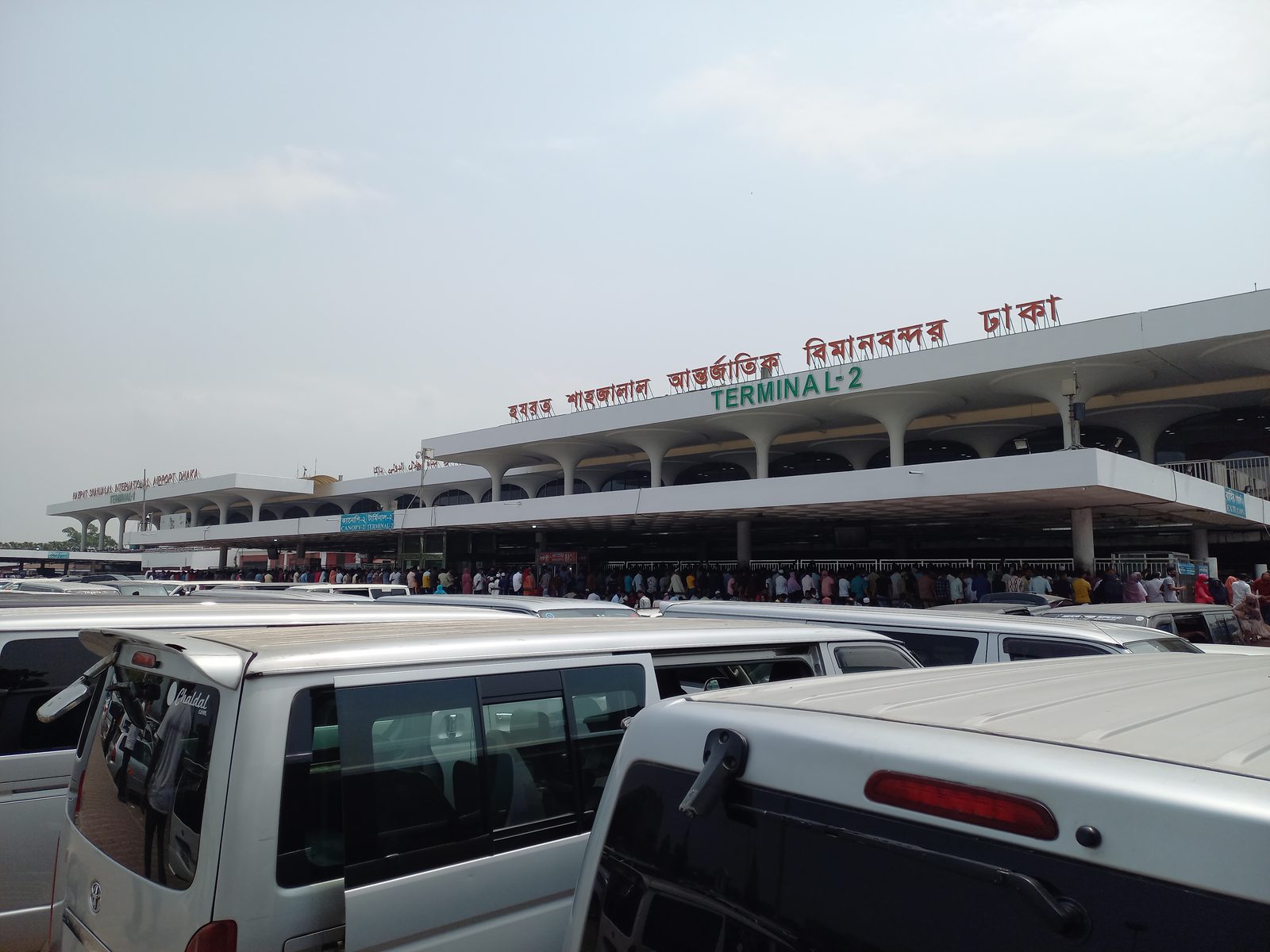
Flight PVG-9445 landed at Hazrat Shahjalal International Airport at about 8:15am on Friday. Airport and immigration police sources said 19 of the passengers had been in Italy, 10 in Greece and six in Cyprus.
BRAC's migration programme received the returnees with Civil Aviation Security and the Expatriates' Welfare Desk. The organisation provided emergency assistance, counselling and money to help them reach their home districts, and representatives of the foreign ministry and the European Union were present at the airport.
The group was assisted under Prottasha-2, a project funded jointly by BRAC and the EU. Shariful Hasan, associate director of BRAC's migration programme and youth platform, said the returnees would also receive training, counselling and financial support to rebuild their livelihoods and reintegrate into society.
It is the third such group this year. On 27 August, 40 undocumented Bangladeshis returned from Europe, including 24 from Cyprus, 15 from Greece and one from Bulgaria. Another 27 came back on a special flight on 21 May.
Returns are handled under standard operating procedures that Bangladesh and the EU signed in 2017. The arrangement covers Bangladeshis living in European countries without valid documents or authorisation to stay. Each case goes through legal procedures and a check that the person is a Bangladeshi national before travel is arranged.
About 5,000 Bangladeshis have returned under the arrangement since 2017, with Cyprus, Italy, Romania and France accounting for the largest numbers. Shariful said that in recent years BRAC had received the most returnees from Italy, Greece and Germany.
Europe is not the main destination for Bangladeshi migrant workers — the Gulf states are — but it has become a sought-after goal for students and job-seekers, and some travel without valid visas. Bangladesh relies heavily on remittances, and returns are sensitive because many families borrow money to finance a relative's journey abroad.
BRAC says it runs awareness campaigns across the country to discourage people from taking dangerous irregular routes to Europe. European governments have also discussed legal channels for hiring Bangladeshi workers, though the scale of those programmes remains small compared with the demand.
Several details of Friday's return were not disclosed. Officials did not say how long the 35 had been in Europe, why their cases ended in return, or whether any had sought asylum. The governments of Italy, Greece and Cyprus did not immediately comment, and it was not clear whether more charter flights are planned this year.
For the returnees, the immediate task is rebuilding a life at home. BRAC said its support includes counselling and training, but it did not give the size of the individual payments or say how many would take up the training. The broader question — whether returns discourage others from paying smugglers for a chance in Europe — is one that neither Dhaka nor Brussels has answered with published data.