ScrollBeat

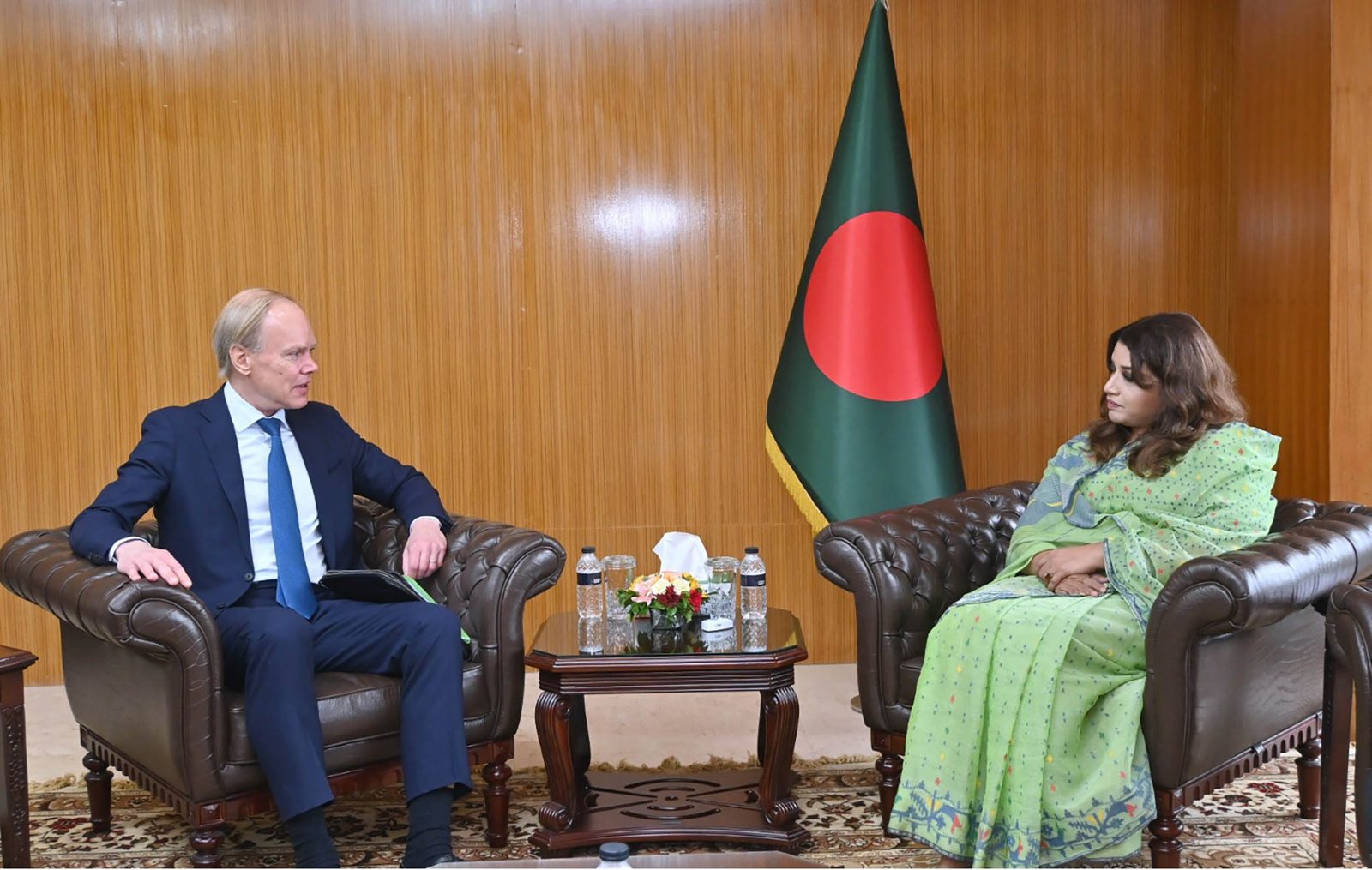
Bangladesh's state minister for foreign affairs said on Friday that about 7,500 Bangladeshis are being held in prisons across Saudi Arabia, giving the government's latest public figure as Dhaka presses Riyadh for details of two citizens recently executed.
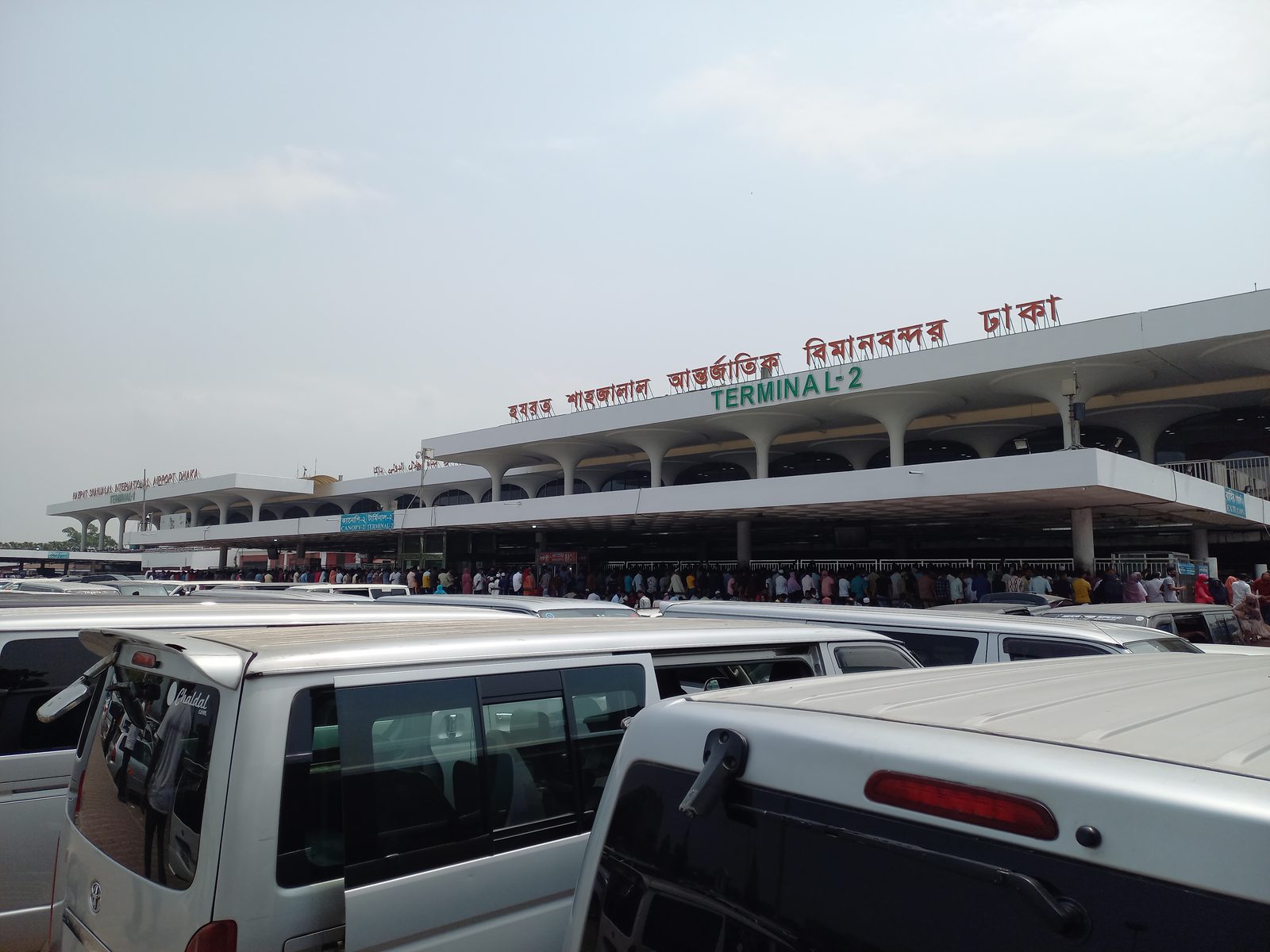
Shama Obaed Islam spoke at Hazrat Shahjalal International Airport in Dhaka after receiving the body of Md Shahed Ahmed, a Bangladeshi worker killed in the 10 October missile attack on King Khalid International Airport in Riyadh. The body arrived on a US-Bangla Airlines flight at 8:35am, and the minister handed it to his family.
"Around 7,500 Bangladeshis are in prisons in Saudi Arabia, and the government is working on their cases," she said, according to Bangladesh Pratidin. She said the government and the Bangladesh embassy were monitoring the detainees and providing consular services. She also said Saudi Arabia had not yet supplied fresh information about the two Bangladeshis executed this month.
Nazrul Islam Abdul Basir and Sweety Akter were executed in the Makkah region on 14 October. Saudi Arabia's interior ministry said they had been convicted of "indecent acts" inside a mosque in the holy city, according to Saudi media reports cited by Bangladeshi outlets. Bangladesh says neither the foreign ministry nor its mission in Saudi Arabia was told before the executions or formally notified afterwards.
The disclosure renewed attention to a prisoner list Saudi Arabia's foreign ministry sent to the Bangladesh consulate in Jeddah on 30 September. It named 2,461 Bangladeshi prisoners in the consulate's jurisdiction. Twenty-two were marked as convicted, but the column for the verdict was blank, so the consulate could not tell whether they faced prison terms or death sentences. The consulate wrote to the Saudi foreign ministry on 19 October asking for the verdict summaries.
A confidential consulate document also said 306 Bangladeshis were being held in prisons in western Saudi Arabia on morality-related cases, of whom 147 had been sentenced to between one month and 15 years. The 2,461 figure covered the Jeddah consulate's jurisdiction; the minister did not explain how that list relates to her national figure of about 7,500.
Saudi Arabia is Bangladesh's largest labour market. More than three million Bangladeshi workers are estimated to live there, and their remittances are a pillar of the economy. Workers who run into the law depend on the embassy and consulate for interpreters, lawyers, prison visits and help in contacting families. Rights groups have long warned that many low-paid migrants do not understand Saudi court proceedings or cannot afford legal representation.
Shama said the government had written to the Saudi ambassador in Dhaka about the two executions and was seeking the court documents. She said the bodies of 11 Bangladeshis killed in Middle East conflicts over the past six months had been returned, and that efforts were under way to bring back the rest. Shahed's employer, Saad Al Eissa Contracting Company, deposited 27,395.62 Saudi riyals, about Tk 9 lakh, with the Bangladesh embassy for his unpaid salary and benefits. His family received Tk 35,000 for burial and transport and Tk 50,000 in special assistance, and may receive further compensation.
Several questions remain unanswered. Bangladesh has not published a complete, verified count of its citizens in Saudi prisons, and officials have not explained the gap between the Jeddah list and the national estimate. It is also unclear how many of the detainees have been sentenced, how many are on death row, whether they had legal representation, and whether the two executed Bangladeshis received consular help. Saudi authorities had not replied to the consulate's 19 October request for the verdict summaries, Prothom Alo reported on Thursday.
The immediate test is whether Riyadh sends the verdict summaries the consulate requested. Bangladesh's mission in Jeddah has also asked Saudi Arabia to release prisoners whose terms are complete, consider well-behaved detainees for royal pardon and speed up pending cases. For families in Bangladesh, the practical questions are smaller and harder: where a relative is held, what he or she was convicted of, and when, or whether, they will come home.