ScrollBeat

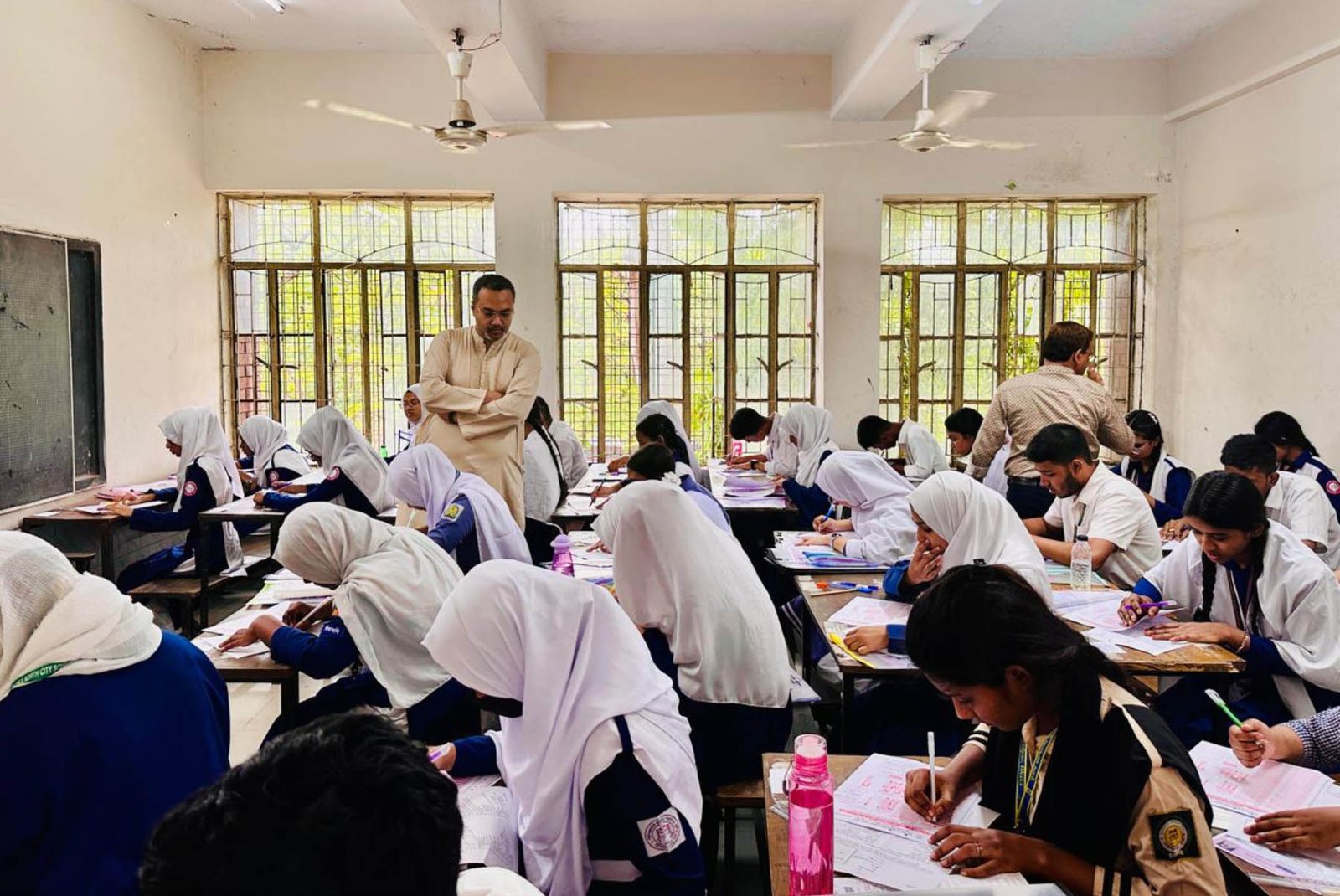
Students who failed this year's Secondary School Certificate (SSC) and equivalent examinations have asked the government to hold supplementary exams before the end of 2026, saying a second chance now would let them begin Class XI without losing an academic year.
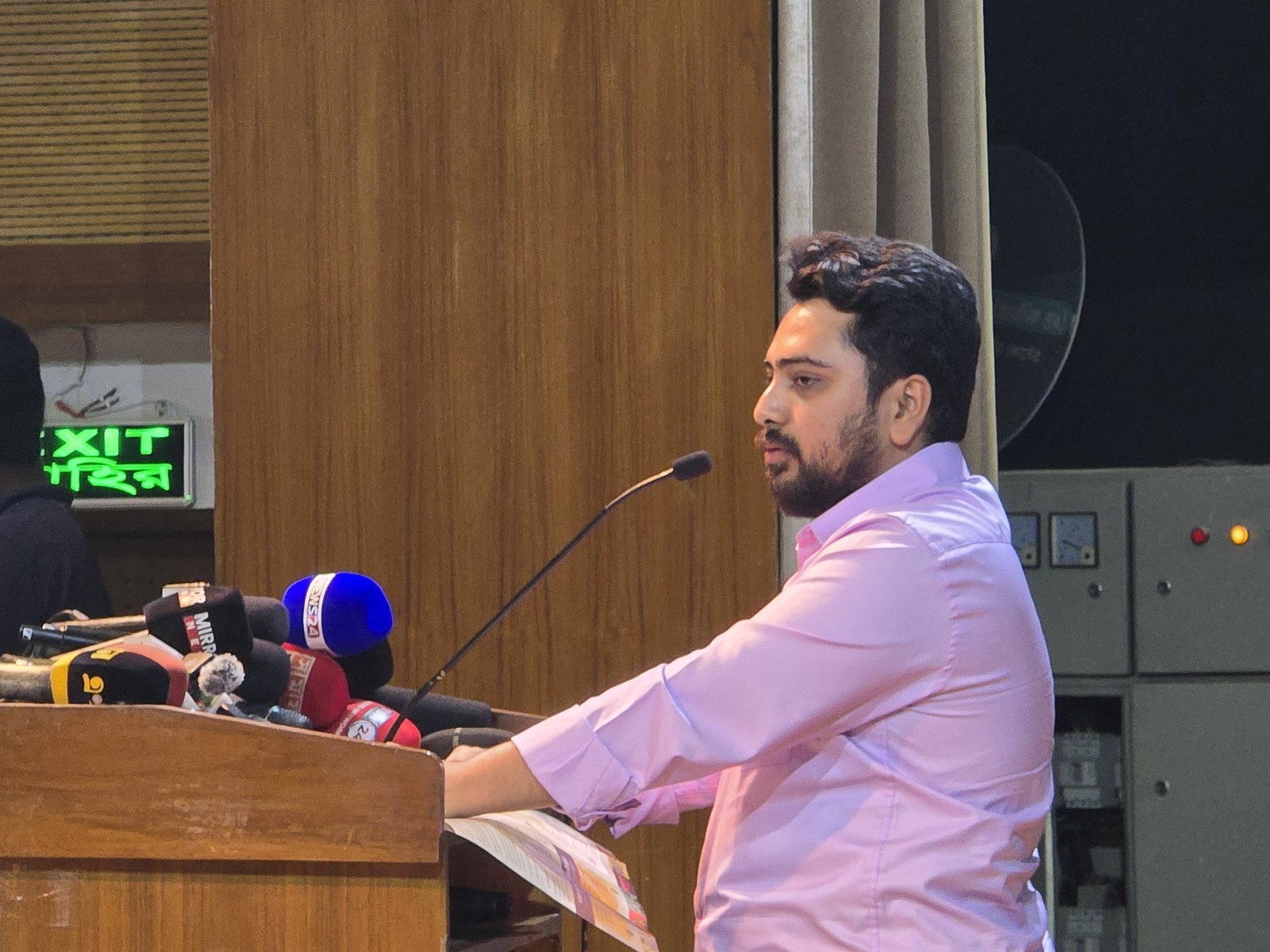
The demand was presented at a press conference at Dhaka Reporters Unity on Thursday by a group called SSC 2026 Students' Rights Movement Bangladesh, which says it speaks for candidates who did not pass.
The scale is large. According to the results published on 10 August, 690,608 of the 1,829,485 candidates who sat the SSC and equivalent examinations failed — 37.75 per cent of the total. Another 4,585 students were declared successful after answer scripts were re-scrutinised in September.
The students put forward five demands. They want supplementary exams held this year; detailed guidelines on the syllabus, marks distribution, question pattern, assessment and eligibility published well ahead; enough time between the routine and the tests, with results published quickly; and administrative steps so that those who pass can enter Class XI in the current academic year.
If the exams cannot be organised this year, the group asked the government to let failed candidates enrol in college provisionally and sit the supplementary papers next year while continuing their studies. The students said they were not seeking an exemption from the rules, but a way to avoid a lost year.
Their argument is that one weak subject should not decide the rest of a student's education. They also warned that a year out of school carries a heavier cost for poorer families, where a teenager who is neither studying nor working may be pushed to drop out altogether.
The response from the government has shifted over the past two weeks. On 10 October, Prime Minister's Adviser on Education Mahdi Amin said the government was considering allowing students to retake failed subjects within three months instead of waiting a year, but cautioned that starting the system this year would be difficult.
Two days later, Prof Syed Akhtaruzzaman, chairman of the Dhaka Education Board and president of the inter-board coordination committee, said supplementary exams for this year's SSC cohort were impractical. Question papers, exam procedures and college admissions would all need a new policy, he said, and the boards were preparing to introduce the system from next year.
On 13 October, Education Minister ANM Ehsanul Hoque Milon said the government planned retests within 15 days of results for candidates who failed up to two subjects, and that those who failed again could be guided towards technical or vocational education. He did not say when the system would begin.
The timetable is tight. Under the current admission policy, a candidate must pass the SSC or an equivalent examination to qualify for Class XI. The final phase of online applications for the 2026-27 academic year is scheduled for 26-27 October, and HSC results are expected between 25 and 29 October.
What remains unanswered is the substance of any decision: whether a supplementary exam will be held for this cohort at all, who will be eligible, what fee will be charged, how the syllabus will be set and whether colleges will accept a late result. The education ministry has not published a schedule, and none of the officials quoted above gave a date.
Educationists say the boards can manage the logistics if the ministry decides. Tapan Kumar Sarkar, a former chairman of the Dhaka Education Board, told Prothom Alo that such exams are essentially a policy question: the number of candidates in each subject is small and the papers could be finished in days. Prof Manzoor Ahmed of BRAC University has argued that students should be given as many chances as possible, and that the reliability of assessment itself needs scrutiny.
The high failure rate has also revived a wider debate about teaching and assessment. Mahdi Amin told a conference on failed students this month that candidates could not be held solely responsible, pointing to gaps in classrooms and pressure at home. The government has said it will map unsuccessful candidates and offer skills training and language courses, but those plans are separate from the demand for a retake.
For now the decision rests with the education ministry, and the calendar is moving faster than the policy. The students said they would continue peaceful programmes until they receive a clear answer.