 ScrollBeat

The Bangladesh Navy seized and destroyed illegal fishing nets with an estimated market value of Tk 25.79 crore during an operation in rivers around Barishal on Monday, the Inter-Services Public Relations Directorate said, as a nationwide ban on hilsa fishing entered its second week.
The naval vessel BNS Kushiyara carried out the drive in Hijla, Mehendiganj, Gobindapur, Laharhat, Babuganj, Char Monai, Sreepur and Paterhat in Barishal district and surrounding areas, according to the ISPR statement released through the state news agency BSS.
The nets and other equipment were seized while illegal fishing was taking place in violation of the ban, ISPR said. The seized gear was later destroyed in line with regulations in the presence of local administration officials and fisheries officers.
Across all operations in waters under naval jurisdiction since 8 October, authorities have seized and destroyed 3,031,620 metres of illegal nets and 74 other nets, ISPR said. The combined market value was put at Tk 257,896,900, or about Tk 25.79 crore. The length is a cumulative figure for the gear seized over the period, not a count of separate nets.
The drive is part of the "Mother Hilsa Conservation Operation 2026", which the navy is running under the "In Aid to Civil Power" arrangement. It began on 8 October and is due to continue until 29 October. Naval ships, contingents and speedboats have been deployed to potential spawning grounds in the sea, along the coast and in inland rivers.
During the 22-day period, catching, transporting, storing, buying, selling and exchanging hilsa are prohibited. Fishing for all species is also banned in designated marine fishing areas, according to the release.
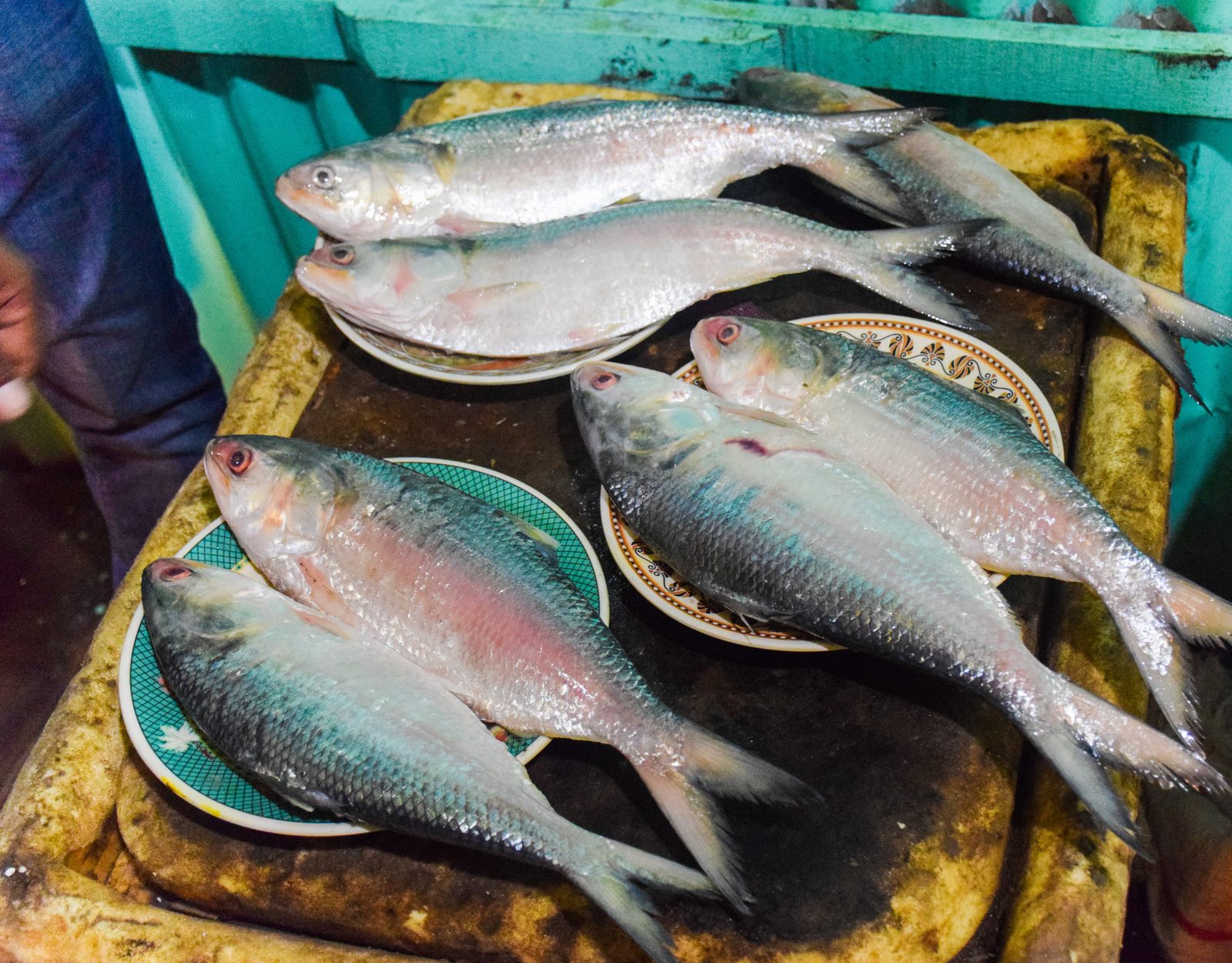
The timing follows the breeding cycle of Tenualosa ilisha, the hilsa that is Bangladesh's national fish and one of the most sought-after items in the country's markets. The closure is meant to let adult fish spawn without disturbance, so that the next generation of hilsa reaches the rivers and the coast. The navy said it would keep operating to protect hilsa breeding and reproduction, prevent illegal fishing and conserve marine and inland water resources.
The scale of the seizure illustrates how much gear is still being used despite the ban, but the statement left several questions unanswered. It did not say whether anyone was detained, charged or fined in Monday's operation, how many people were involved, or what kinds of nets were found. It also gave no breakdown of where the largest seizures were made.
The Tk 25.79 crore valuation is an official estimate supplied by the navy through ISPR and has not been independently verified. Nor did the release address what the ban is doing to supplies and prices, or whether affected fishermen are receiving any support during the three-week closure.
Enforcement is not limited to the navy. On 11 October, a mobile court in Barishal seized and destroyed 20,000 metres of current and monofilament nets in the Kirtankhola, Arial Kha and Kalabadar rivers and fined four people Tk 10,000 each for fishing during the ban, BSS reported at the time.
What happens next depends on the remaining days of the operation. The navy has said the drives will continue until 29 October, when the restriction is scheduled to lift. Until then, legally caught hilsa should stay off the market, and any fish sold openly will have been caught, moved or stored in breach of the order.
For consumers, the practical test will come after the ban ends, when the first legal landings reach the markets and prices adjust to the new supply. For the authorities, the test is whether the seizures translate into a measurable gain in breeding stock, a result that will only be known in the coming season.