ScrollBeat

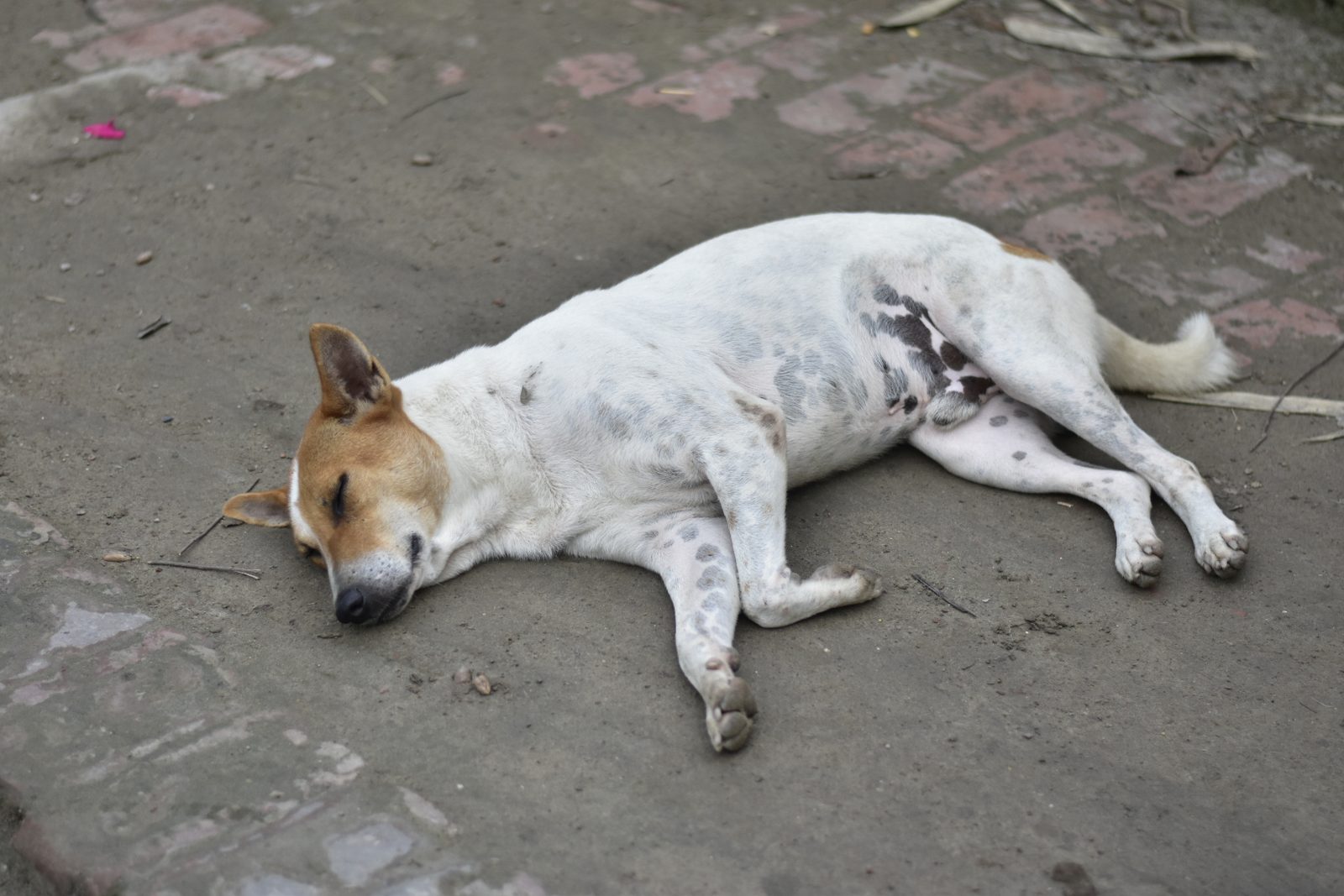
Two dogs bit 27 people in two days in Barura municipality in Cumilla district, the upazila health complex said, in an episode that has renewed concern about stray dogs and rabies across Bangladesh.
The attacks began at about 9pm on Wednesday in Noyontola, Pathanpara and Dewatli, three neighbourhoods of the municipality. Thirteen people were treated at Barura Upazila Health Complex between 10pm and 11:30pm. Fourteen more came in between 9am and noon on Thursday, after the dogs moved through the same areas again.
Dr Mujahidul Islam, the health complex's acting resident medical officer, confirmed the two-day count and the timing of the two waves. He said he had been told the injuries were caused by two rabid dogs. The hospital did not say whether any patient was referred to Cumilla Medical College Hospital or whether anyone was admitted.
A second official gave a slightly different account earlier in the day. Dr Reza Sarwar, the upazila health and family planning officer, said 22 to 25 injured people reached the hospital within about two hours on Thursday morning. If the bites came from rabid dogs, he said, the injuries could put lives at risk. He added that it was not clear why so many people had been bitten in such a short time and that the matter needed investigation. He said he would write to the local administration asking it to act.
Residents of the three areas said they were worried about children and older people, bd24live reported. The health complex is the first stop for bite patients in the upazila. Officials did not say on Thursday whether the facility had enough anti-rabies vaccine for the people treated, or how many had started the full course of shots.
Rabies is the immediate concern after any dog bite. The disease is almost always fatal once symptoms appear, which is why doctors treat exposure as an emergency rather than waiting for signs of illness. Bangladesh has recorded a rising number of animal-bite patients at its main referral hospital in Dhaka: 94,380 in 2023, 122,263 in 2024 and 146,243 in 2025, according to figures from the Infectious Diseases Hospital. Rabies deaths rose from 42 in 2023 to 58 in 2024 and 59 in 2025, with 19 recorded in the first two and a half months of 2026, the hospital's data shows.
The increase has coincided with the weakening of the national programme meant to suppress it. A coordinated effort begun in 2010 combined dog vaccination, birth control, public awareness and prompt treatment for bite victims, and the Directorate General of Health Services says nearly 2.9 million dogs were vaccinated across more than 60 districts. Officials involved in disease control say the programme has effectively stopped since the political change of 2024, with no funding for new vaccination or sterilisation rounds.
"We are preparing a new plan to prevent rabies. However, under this plan, only humans will be vaccinated," said Professor Md Halimur Rashid, director of the disease control division at the DGHS. "At this moment, there is no plan to vaccinate dogs or to control the dog population." In Dhaka, the south city corporation sterilised about 150 dogs in roughly 20 months, against more than 500 a year before 2024, its veterinary officer said.
Barura is not an isolated case. On 11 October, a stray dog bit 28 people over about three hours in three villages of Mithapukur upazila in Rangpur. All were treated and given anti-rabies vaccine at the upazila health complex, and one was referred to Rangpur Medical College Hospital, according to the complex's resident medical officer. The World Health Organization says an area can be freed of dog-mediated rabies if at least 70 per cent of its dogs are vaccinated for three consecutive years.
For Barura, several things remain unknown. No official has said whether the two dogs were tested for rabies, whether they have been caught or removed, or how the municipality plans to deal with the stray population in the three neighbourhoods. The upazila administration has not said when it will act on the health officer's request.
What happens next will be watched closely in a district where the health complex, rather than a veterinary team, ends up treating the consequences. Rabies can be prevented if exposed people receive post-exposure treatment promptly, health officials say. The practical questions for Barura are whether the dogs are found before they bite again, and whether the people already bitten complete their course of vaccine.