ScrollBeat

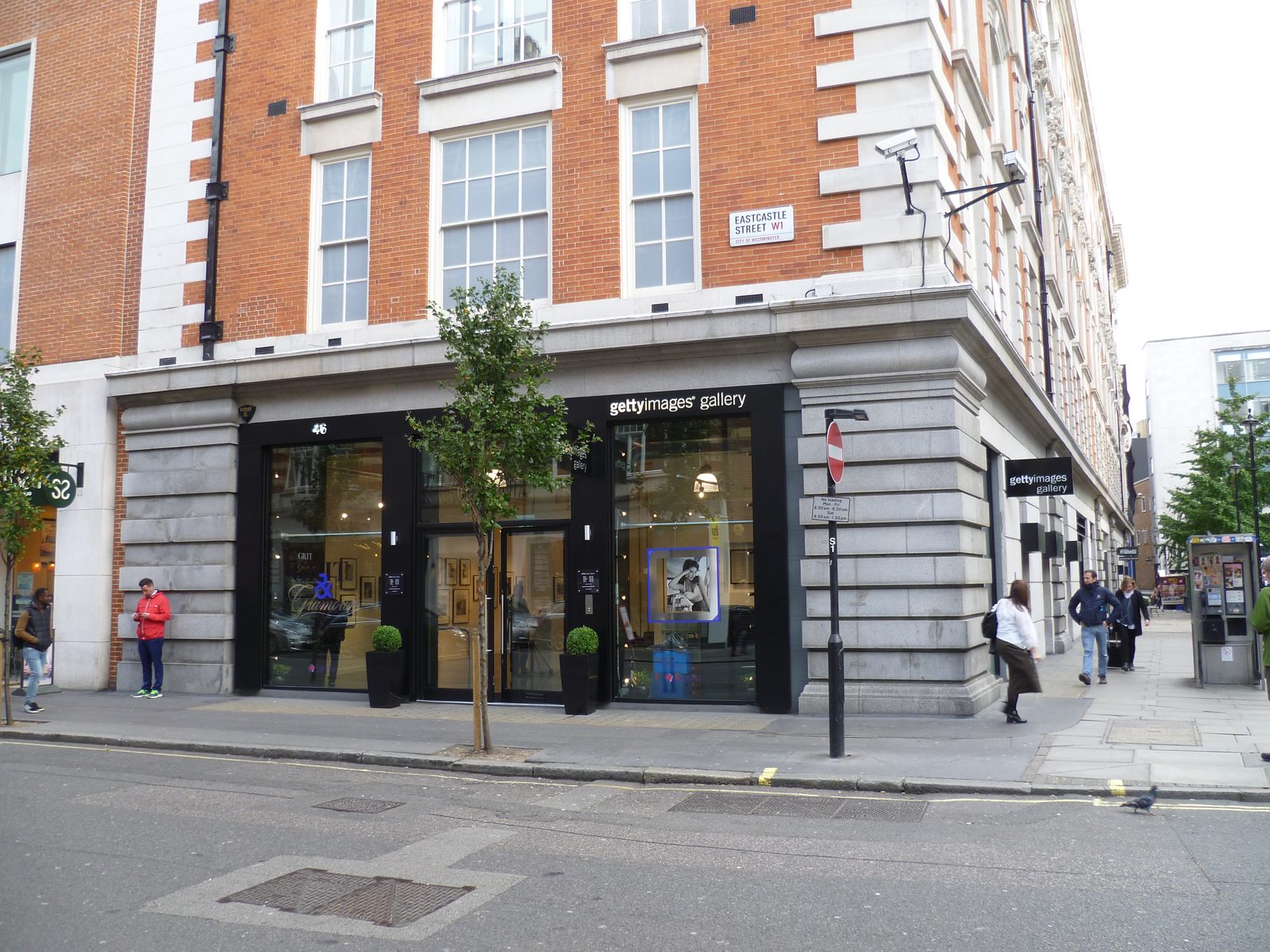
Getty Images filed for Chapter 11 bankruptcy protection in a Delaware court on Wednesday, a step the photo agency says is needed to cut its debt and take the company private again.
The case is prepackaged, meaning the main creditor groups have already agreed to the outline of the restructuring. Getty announced the plan on 12 October and has now begun asking creditors to vote formally for it. In its filing, the company listed both its assets and its liabilities in the $1 billion to $10 billion range.
Under the deal, affiliates of the Getty family and Koch Equity Development will invest up to $533 million of new equity and will own 100 per cent of the company once it emerges. Koch Equity Development has also committed up to $143 million of financing to keep the business running through the process.
Debt holders have agreed to give up a large slice of what they are owed. Holders representing 83.5 per cent of Getty's unsecured notes will retire $270 million of senior unsecured notes, while lenders holding about 89 per cent of the secured bonds and term loans have agreed to lower interest payments and push back repayment dates.
Getty says the business will keep operating normally and that photographers, partners, customers, employees and vendors should not be affected. A company spokesperson told The Hollywood Reporter that layoffs are not part of the plan.
"This transformational transaction is underpinned by the strength of the business and the significant growth potential we see ahead," said Mark Getty, co-founder and chairman of the board. He thanked Koch Equity Development and the lender groups for what he called capital structure improvements that would let the company build on its foundation.
Chief executive Craig Peters said the company's customers, partners, staff and contributors, and the depth of its archive, were the pillars of the business. Mike Harris, senior managing director and co-head of Koch Equity Development, said the investment would give Getty "a firm financial foundation and greater flexibility" to keep investing.
Getty was founded in London in 1995 by Mark Getty and Jonathan Klein and grew into one of the largest suppliers of news, sport and entertainment photography, selling licences to newspapers, broadcasters, advertisers and digital publishers around the world. Koch Equity Development has been a backer since 2018, when it made a $500 million preferred equity investment.
The immediate trigger for the restructuring was the collapse of Getty's planned $3.7 billion merger with rival Shutterstock. The deal was announced in January 2025 but was abandoned in late June after Britain's Competition and Markets Authority said Shutterstock would have to sell its editorial business, a condition Getty's board treated as a deal-breaker. Peters later said the company had spent more than $100 million on professional fees and financing costs pursuing the transaction.
The failed merger landed on top of older problems. Getty has carried heavy debt while its creative stock business, including the iStock platform, faced falling demand. In an investor presentation this month, the company pointed to "declining agency demand and disruption" in that e-commerce business, and its chief financial officer said annual subscribers had fallen from 321,000 to 241,000 over the year. Getty still expects its core editorial division, which supplies news images, to grow from $369 million to $400 million by 2029.
The company had already missed an interest payment due on 1 September on its unsecured notes and entered a 30-day grace period. According to the New York Post, Getty said it had the cash to make the payment but chose to restructure instead.
Several questions remain open. The company expects to finish the process by the end of the year, but that depends on creditors voting for the plan and the court approving it, and bankruptcy timetables often slip. Getty has not said what holders of its public shares will receive; they are not part of the new ownership group. It has also given no detail on whether licensing prices or contributor contract terms will change after the restructuring, beyond saying that customers and contributors will not be affected.
For newsrooms outside the United States, including outlets in Bangladesh that license agency photography, the filing is a change of ownership at a supplier rather than a disruption to service. Getty's images appear daily in newspapers and websites worldwide, and any interruption would be felt quickly. The company says there will be none. Still, the case is worth watching for anyone whose work depends on editorial picture agencies, because consolidation and cost pressure in that industry affect what newsrooms can buy and at what price.
Getty's next steps are procedural. Creditors will vote on the reorganisation plan, a judge will review the result, and if all goes as the company hopes, the agency will leave Chapter 11 before 2027 as a privately held business owned by the Getty family and Koch. It would be the second time the company has gone private, after more than a decade off public markets before its 2022 listing.