ScrollBeat

Bangladesh's National Board of Revenue wants to end most value-added tax exemptions and apply a single 15 per cent rate by 2030, a proposal it put to the International Monetary Fund in Washington during talks over a new loan programme.
Two officials involved in the discussions said the revenue board handed the IMF's technical committee a tentative timeline and a list of targeted goods and services. A high-level IMF mission is expected in Dhaka in the first week of November to assess the plan alongside the country's wider financial position, they said.
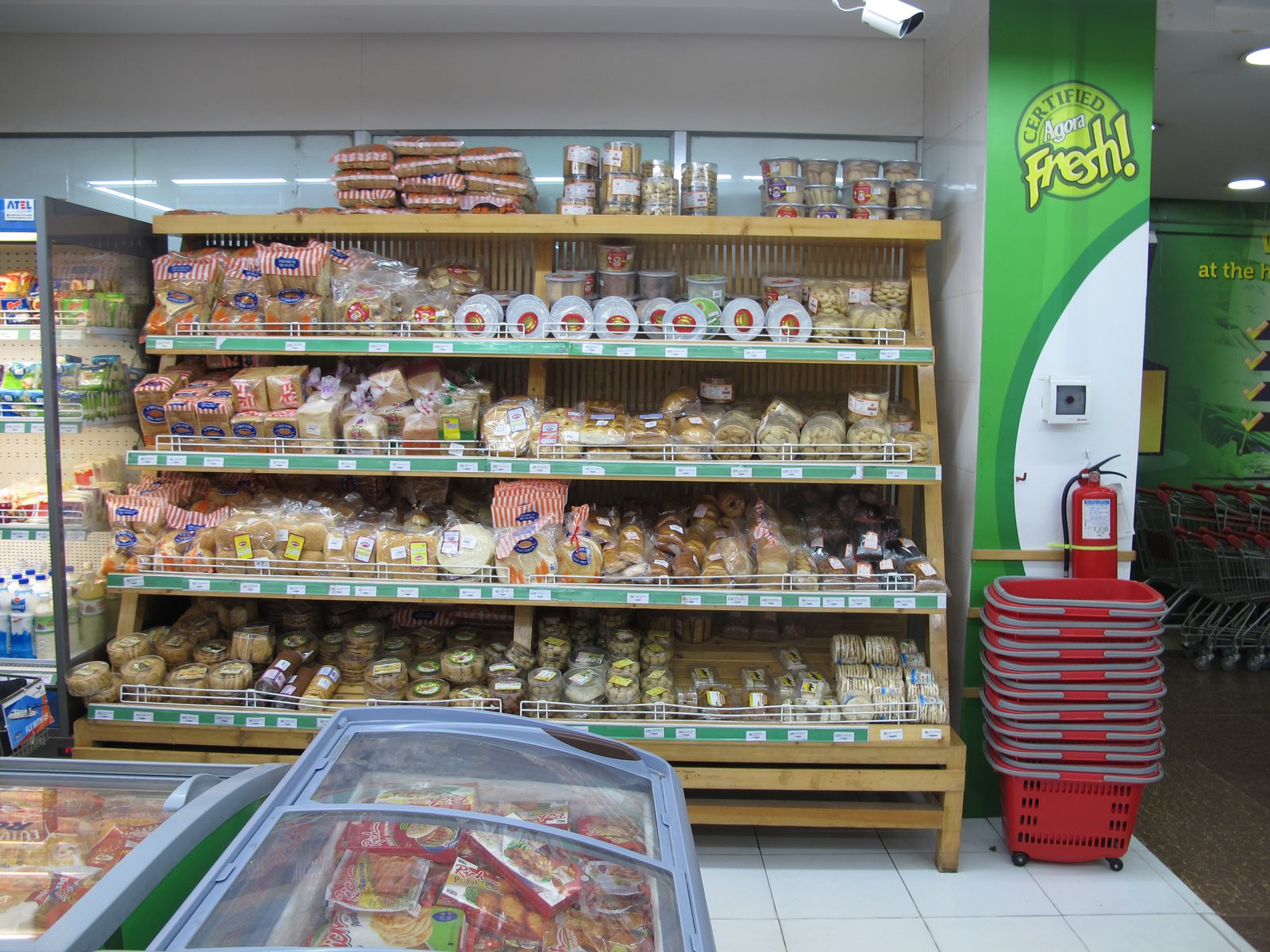
The change would reach deep into everyday spending. More than 500 goods and services now pay reduced VAT of 2 to 10 per cent, or nothing at all, under three schedules of the VAT law and a series of statutory orders. They include electrical goods and home appliances, computers and their accessories, metro rail fares, restaurant meals, steel and aluminium, non-branded clothing, sanitary pads and baby nappies.
Under the proposal, those reduced rates would be allowed to lapse when their current terms end in June 2028 and June 2030, after which the items would fall under the standard 15 per cent. A 10 per cent concession for locally made lifts would be allowed to expire in 2030. The package system that lets small and medium businesses pay a lump sum in place of regular VAT would be scrapped, and the reduced rates on gas and electricity are under review.
The government has argued that essential items should be shielded. Exemptions are expected to stay for farm produce and agricultural inputs, and for rice, lentils, edible oil, salt and chillies, as well as public transport, basic education, general health care and life-saving medicines. Fifteen per cent is already the standard rate; the plan would make it the only rate for most of the goods that currently receive relief.
For everything left outside that protection, the pressure points upwards. A business that pays more VAT on its stock normally passes at least part of the increase to customers, and the effect would be sharpest on the goods that carry the lowest rates today. That is why officials describe the proposal as a revenue measure with a household cost.
The board has tried this before. A plan to introduce a single 15 per cent rate in 2015 was abandoned after opposition from the business community, and concerns remain that businesses will object again. The current push is tied to financing: under a $4.7 billion IMF programme approved in January 2023, Bangladesh promised reforms in revenue, banking and energy, and has fallen behind on several conditions. The NBR's latest report put VAT revenue forgone through exemptions and concessions above Tk 1.29 trillion in the 2022-23 fiscal year, equal to about 3.3 per cent of GDP, and more than the Tk 1.25 trillion the board actually collected in VAT that year.
"The IMF wants to know how Bangladesh plans to raise revenue and phase out tax exemptions. We have proposed gradually withdrawing VAT exemptions and introducing a single rate by 2030, with some exceptions," a senior VAT official told The Business Standard. A second official said the IMF wanted all exemptions removed, while the government insisted on keeping relief for essential goods, health care and education.
Economists are not convinced the timetable will hold. Zahid Hussain, a former lead economist at the World Bank's Dhaka office, questioned whether the IMF would be satisfied. "What assurance does the IMF have that the government will fulfil its commitments this time?" he said. He added that a programme agreed now would probably expire long before 2030, and that the government must show how much extra revenue the withdrawals would actually raise. He noted that total tax exemptions amount to roughly 6.8 per cent of GDP, against revenue collection of about 6.4 per cent.
Business groups are watching the rate itself. Fazlul Hoque, administrator of the Federation of Bangladesh Chambers of Commerce and Industry, told TBS that a single rate is workable if it is set low. "A single VAT rate is possible, but the problem lies with the VAT rate itself. If the VAT rate is reduced and a uniform rate is introduced, there should be no major problem," he said.
Finance Minister Amir Khasru Mahmud Chowdhury, speaking at an IMF conference in Thailand, said some conditions are unavoidable when borrowing from the fund, and that consensus had been reached on key issues through negotiation.
Much is still open. There is no final list of goods and no cabinet decision, and no date has been set for the first step. It is not clear whether the IMF will accept a 2030 horizon that runs past the likely life of a new programme, or how hard businesses will push back. Nor is it known how much of any increase shops would absorb rather than pass on.
The next fixed point is the IMF mission's visit in early November. If the two sides agree, the changes would be written into budgets and tax measures over several years; the first reduced rates are not due to lapse until 2028, so most shoppers would feel the effect gradually, though the finance ministry could move sooner through budget decisions or new orders.