ScrollBeat

A group of two dozen independent United Nations human rights experts urged India on Tuesday to stop using what they described as excessive force against protesters, and called for an impartial investigation into how police and security agencies handled this month's demonstrations.
The experts, who are appointed by the UN Human Rights Council but work independently of the United Nations, issued a joint statement saying that demonstrators had been injured and that some reported being ill-treated. They also raised concern about reports of sexual violence and other gender-based abuse during the protests and in related detentions.
"Despite the non-violent nature of the assemblies, law enforcement agencies have reportedly deployed force against unarmed students, including lathi charges, and have prevented thousands from joining the protests," the statement said. A lathi charge is a baton charge used by police to break up a crowd.
The experts asked the authorities to "immediately cease the use of excessive force, rescind blanket assembly bans, and refrain from the misuse of digital surveillance, including through biometrics, and internet disruptions". They said any limit on peaceful assembly must be lawful, pursue a legitimate aim and be proportionate.
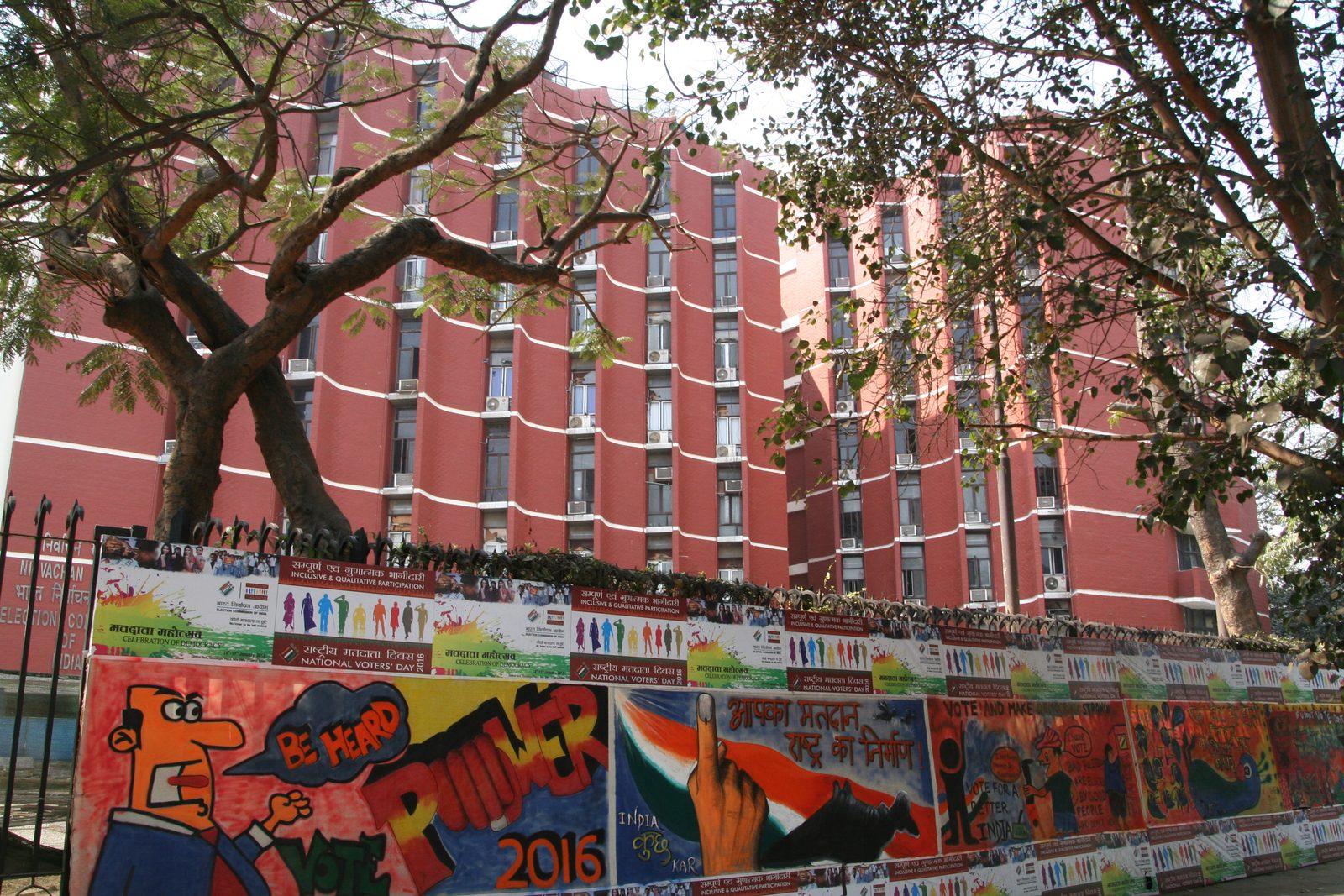
The protests are led by opposition parties and student groups, including the youth-led Cockroach Janta Party, and centre on the revision of India's voter lists. The demonstrators want Chief Election Commissioner Gyanesh Kumar to resign. They say about 130 million names have been removed from the rolls and that the deletions fall hardest on poor and homeless people and on ethnic minorities, including Muslims.
Election Commission data cited by Prime Minister Narendra Modi's Bharatiya Janata Party gives a different picture of the same figure. According to that accounting, the 130 million names include about 63 million people recorded as having moved, 30 million who could not be traced, 28 million who had died and 10 million duplicate entries.
The Election Commission rejects the charge of bias. It says it has been removing duplicate, deceased, shifted and otherwise ineligible voters, and that anyone excluded by mistake can seek re-inclusion and appeal. The BJP says the revision is a lawful exercise and that questioning it undermines the country's electoral process.
The dispute has been building since late September, when the Indian Express reported that two deputies to the election commissioner had repeatedly raised concerns internally about how the revision, registration procedures and digital systems were being handled. The commission has said disagreement inside the body is normal and that its decisions were lawful.
The campaign has deep roots. The Cockroach Janta Party began as an online satire and grew into a street movement during the summer, when protests over leaked examination papers forced the education minister to resign. The current demonstrations, which the group calls a second season, have revived that momentum around the right to vote.
The numbers matter beyond the current standoff. At least seven Indian states are due to hold elections next year, including Uttar Pradesh, the country's most populous state. Verification in Uttar Pradesh began in October 2025 and removed 13 per cent of names, according to local media reports cited by Reuters. Excluded voters must prove their eligibility or win an appeal before they can cast a ballot.
New Delhi has repeatedly dismissed outside criticism of the crackdown as interference in India's internal affairs. That was its response earlier this month when the UN human rights office expressed concern about mass detentions linked to the protests. The Daily Star reported that the Indian embassy in Washington did not respond to a request for comment on the latest statement, and that the government said this month its law enforcement had acted "strictly in accordance with the law".
Human rights groups have also weighed in. Amnesty International and Human Rights Watch have condemned the handling of the protests, putting the Indian government under pressure from outside as well as from opposition parties at home.
Several things remain unclear. The experts' statement does not give a verified count of those injured, detained or ill-treated, and there has been no independent audit of the allegations. It is not yet known whether India will permit any inquiry, who would conduct it, or whether the government will respond formally. Statements by UN special rapporteurs are persuasive but not binding.
What happens next will be shaped by the streets and the courts as much as by diplomacy. Organisers have said the protests will continue until the election chief steps down. The Election Commission, for its part, has promised home visits and extended deadlines in some states to help voters who were left off the rolls. With state elections approaching, the appeals process and the final voter lists will be watched closely, and so will the question of whether anyone is held accountable for the policing of the past month.