ScrollBeat

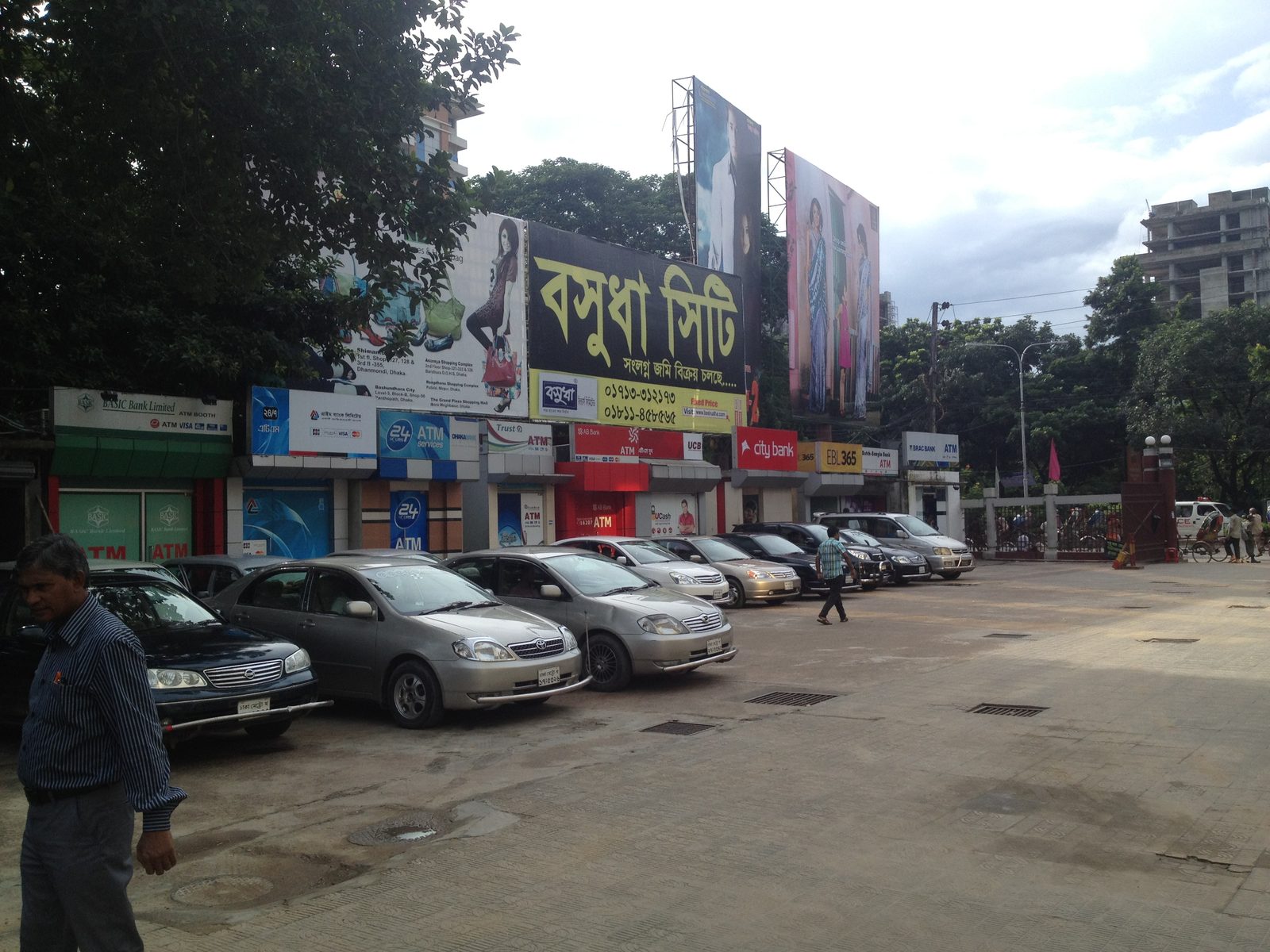
Bangladesh had 52.95 million debit, credit and prepaid cards in circulation in August 2026, 96 percent more than five years earlier, as card payments spread through an economy that still runs largely on cash, according to a Bangladesh Bank report.
The value of transactions made with those cards rose 103 percent over the same period, from Tk 24,561 crore in September 2021 to Tk 49,770 crore in August this year, the report found. It was prepared by the Big Data Analytics and Data Science Unit of the central bank's Statistics Department and titled "An Overview of Card Usage Patterns Within and Outside Bangladesh".
Prepaid cards grew fastest from a small base, rising to 9.27 million from about 1.03 million in September 2021. Debit cards remained the workhorse of the system at 40.88 million, up from 24.23 million, while credit cards rose to 2.81 million from 1.76 million.
The market is concentrated among a few dozen issuers. Of the country's 61 scheduled banks, 56 provide card services, along with one non-bank financial institution, the report said. Forty-eight institutions offer credit cards, dual-currency debit cards or foreign-currency prepaid cards.
In the credit card segment, banks had sanctioned Tk 43,108 crore in limits as of August, against outstanding balances of Tk 14,482 crore. Domestic credit card transactions totalled Tk 4,089 crore in August, down 5.44 percent from July but up 30.03 percent from a year earlier.
Merchant purchases accounted for 93.37 percent of that spending. Department stores took the largest share at 48.14 percent, or Tk 1,969 crore, followed by retail outlet services at Tk 518 crore and utility bill payments at Tk 442 crore. Pharmacies accounted for Tk 284 crore and clothing stores Tk 196 crore, while cash withdrawals through credit cards came to Tk 263 crore.
The report also highlighted a persistent gap in cross-border card use. Bangladeshi cardholders spent Tk 987 crore, or $80.15 million, abroad in August, nearly four times the Tk 249 crore, or $20.22 million, spent in Bangladesh by foreign cardholders. The United States drew 17.16 percent of overseas credit card spending, followed by Thailand at 10.86 percent and the United Kingdom at 9.75 percent.
Spending in Bangladesh by foreign cardholders rose 34.66 percent year on year. Cards issued in the United States accounted for 21.29 percent of that spending, followed by the United Kingdom at 10.81 percent and India at 8.61 percent.
Despite the growth, the central bank said several obstacles stand between Bangladesh and a genuinely cashless economy. It cited limited digital infrastructure, especially in rural areas, low financial literacy, cybersecurity concerns and a lack of trust in digital platforms, as well as high transaction costs and limited access to smartphones.
A strong cash culture and a large informal economy also resist card payments, the report said, and many people who are eligible for a card stay away because of fear or unfamiliarity. It called for stronger fraud prevention and consumer education as transaction volumes rise.
The Payment and Settlement Systems Act, which took effect in November 2024, provides the legal framework for card and other digital payments. Bangladesh Bank expects card use to keep growing with incomes, living standards and international transactions, while acknowledging that the shift will depend on merchants accepting cards and users trusting them.
The headline numbers say little about how widely cards are used. A card count is not a count of active users, and one person can hold several cards; the report does not give the share of adults who own one. Average monthly spending per card works out to about Tk 9,400, a modest figure that sits alongside the report's finding that cash habits remain a barrier.