ScrollBeat

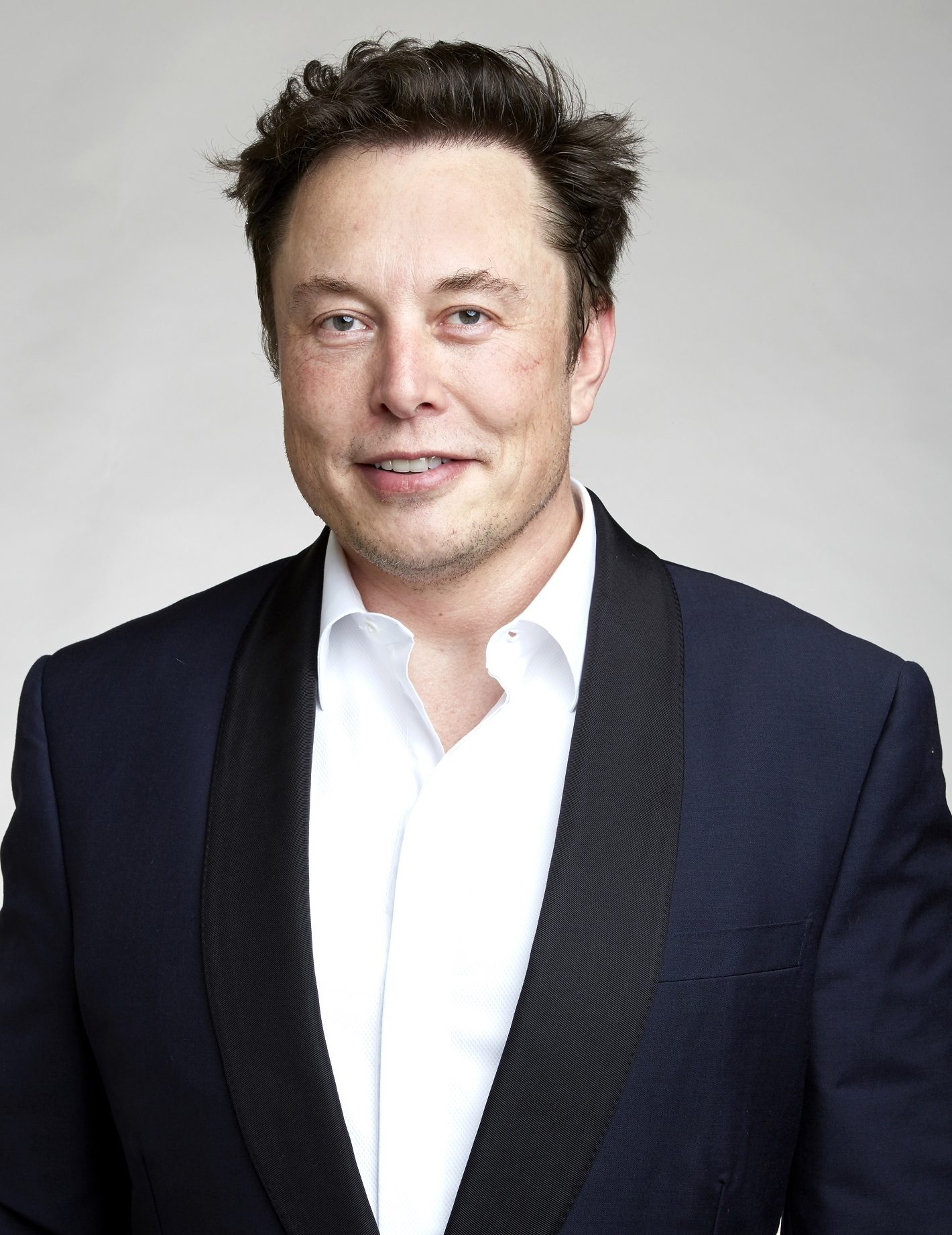
SpaceX and Tesla have formed special committees to examine a possible merger, Elon Musk said on 20 October, formally opening discussion of a combination between the two companies he runs.
Speaking on SpaceX's quarterly earnings call, Mr Musk said he supported the idea. "Do I think it would be a good idea? Yes," he said. "But it's really up to the special committees of both companies."
He said the committees had not agreed terms and that a deal might never happen. "The special committees have not reached agreement on terms of any transaction and there's no guarantee that they will," he said, according to BBC News. "But I do think there is a lot of merit to merging and a lot to be gained."
The scale is unusual. Tesla is valued at roughly $1.5 trillion and SpaceX at about $2 trillion, so a merger would rank among the largest corporate combinations ever attempted. Both are now listed companies; SpaceX made its stock market debut earlier this year.
Investors reacted positively. SpaceX shares rose 8 per cent in after-hours trading, and Tesla shares gained 2 per cent after a period of decline. Tesla reports its own quarterly results on Wednesday, giving shareholders another occasion to question executives about the plan.
Mr Musk has spent the past year pulling his businesses closer together. Before its listing, SpaceX acquired xAI and X, the social platform formerly called Twitter, both of which he owned. Tesla and SpaceX have also launched Terafab, a joint chip-manufacturing effort.
SpaceX's business has changed quickly. The company still builds rockets and operates the Starlink satellite internet service, but it is expanding into selling cloud computing capacity to artificial-intelligence companies including Anthropic and Google. That line brought in $7.5 billion in the latest quarter, more than Starlink's $5.2 billion, BBC News reported. SpaceX as a whole is not profitable and has lost $1.1 billion so far this year.
Mr Musk is not a member of either special committee. He described himself as a "conflicted party" because he is chief executive of both companies, and said that even commenting on a merger felt like "tap dancing through a minefield".
Any deal would need the support of at least half of Tesla's shareholders, a threshold Mr Musk called "quite a high hurdle to achieve". Tesla investors have backed him before: last year a majority approved a compensation package for him valued at around $1 trillion.
The idea is not entirely new in financial markets. Earlier this month Barclays published a client note suggesting that a combination could be announced before Tesla's annual shareholder meeting on 3 December 2026, according to The Verge.
Several important details remain unknown. Neither company has published a proposed structure, an exchange ratio, the identity of the surviving entity or a timetable. It is also unclear whether the committees will recommend a transaction, how Tesla's smaller shareholders would be treated, or what conditions regulators in the United States, Europe and China might impose. Nothing has been put to a shareholder vote.
What happens next rests with the two committees and, ultimately, investors. Tesla's earnings call on Wednesday may bring further questions, and the December shareholder meeting gives the company a natural deadline for a decision. Until then, the merger is a possibility under review, not an agreed deal.