ScrollBeat

Bangladesh and Algeria signed a memorandum of understanding on hydrocarbon cooperation in Algiers on Tuesday, opening the way for talks on government-to-government imports of liquefied natural gas, liquefied petroleum gas and other petroleum products.
Power, Energy and Mineral Resources Minister Iqbal Hassan Mahmood signed for Bangladesh and Algerian Minister of State for Hydrocarbons Mohamed Arkab signed for Algeria, officials said. The signing took place during a visit in which the Bangladeshi delegation also met Algerian Prime Minister Sifi Ghrieb.
The delegation included State Minister for Foreign Affairs Humaiun Kobir and Bangladesh's ambassador to Algeria, Najmul Huda. According to accounts of the meetings issued in Dhaka, the two sides discussed energy as well as trade, investment, agriculture, fertilisers, education, science, technology, sports and culture.
Mahmood said there was wide scope for cooperation in those areas and called for more trade and investment in energy for the benefit of people in both countries. He also asked the Algerian authorities to arrange knowledge-sharing and training for Bangladeshi engineers and technicians.
Kobir said the agreement had opened "a new horizon" for Bangladesh to buy LNG, LPG and other petroleum products from Algeria under a government-to-government arrangement. It also created scope, he said, to learn from Algerian practice in developing LNG infrastructure and in exploring coal and gas fields in Bangladesh. He stressed the importance of exchanging high-level visits.
Ghrieb said his government gave due importance to strengthening relations with Bangladesh and saw room for the two countries to complement each other in trade, commerce and investment, according to the foreign ministry's account.
The visit included separate meetings with Algeria's minister for mines and mining industries, Mourad Hanafi, and its minister for energy and renewable energy, Mourad Adjal. Arkab received Mahmood at Algiers airport on Monday.
The agreement matters because Bangladesh's gas supply is under strain. Domestic production has not kept pace with demand from households, industry and power plants, and the country has become a large LNG importer. Under long-term contracts it buys LNG from Qatar's Qatargas, Oman's OQ Trading, QatarEnergy Trading, Excelerate Gas Marketing and Gunvor USA; short-term supplies come from OQ Trading and Aarmco Trading of Singapore. In September the energy minister told parliament that 29 companies had been shortlisted to sell LNG on the spot market.
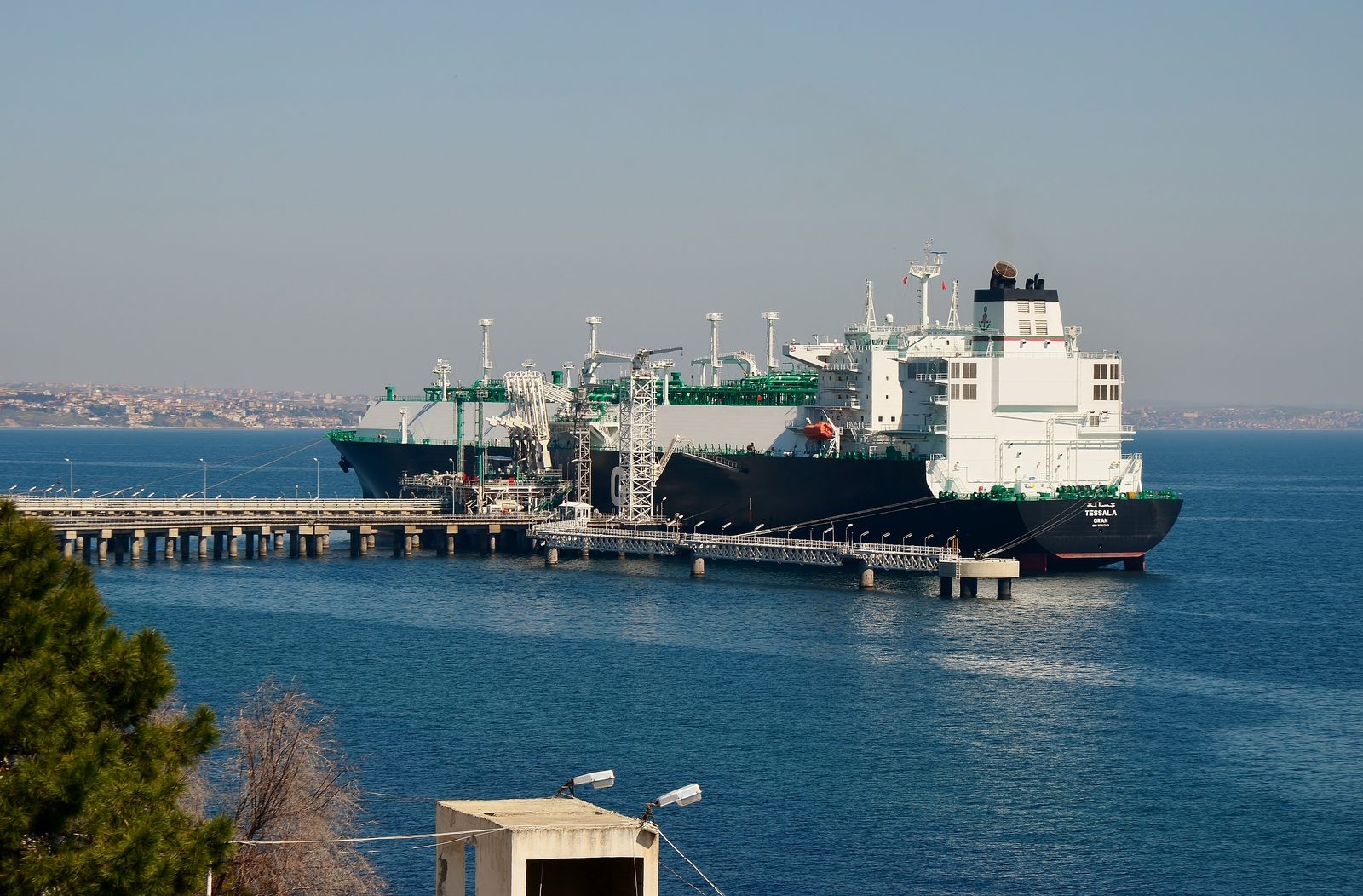
Algeria, on the Mediterranean, is one of Africa's largest gas exporters. Its shipments to South Asia do not pass through the Strait of Hormuz, the route that carries much of the Gulf's fuel and where shipping has been disrupted. Algerian cargoes have traditionally gone to Europe, but Asian buyers have been looking further afield as Gulf supplies and freight become less reliable.
The two governments have been moving towards an energy agreement for weeks. Mahmood and Arkab held a video meeting on 10 September, and on 11 October the Algerian ambassador in Dhaka, Abdelouahab Saidani, met the minister to discuss possible memorandums on LNG and LPG. The ministry said at the time that preparations for a visit to Algeria by Prime Minister Tarique Rahman were also discussed.
Several important details are still missing. Neither government has published the text of the memorandum. It is not clear whether it sets targets for volumes or a timetable, whether it obliges Algeria to supply or Bangladesh to buy, or how cargoes would be priced, whether against oil, spot gas benchmarks or another formula.
No commercial supply contract has been announced. Officials have not said when a first cargo might arrive, which companies would handle it, or how much the arrangement could affect domestic gas and LPG prices. No change to consumer prices has been announced.
What happens next will depend on negotiations between the two energy ministries and their state companies. The foreign ministry has said high-level visits are part of the plan, and the prime minister's planned trip to Algiers is the most likely stage for further announcements. For now, Bangladesh continues to buy most of its LNG under long-term contracts and on the spot market, and Algerian supply would add a new source rather than replace the existing ones.