 ScrollBeat

An 11-year-old boy died at a private hospital in Savar on Wednesday after surgery for nasal polyps and tonsil problems, and his family says the operation should not have gone ahead without a heart test the surgeon had ordered beforehand. After the death, relatives vandalised Abbas Specialized Hospital in Ulail, and its doctors, nurses and other staff left the building.
The boy was the son of a Bangladeshi worker in Dubai, and his family is from Singair in Manikganj. His name is being withheld because he was a minor.
His mother said he had been suffering from polyps in his nose and problems with his tonsils. She took him to a surgeon at the hospital a few days ago, and the doctor advised an operation and ordered an electrocardiogram (ECG) and an echocardiogram (echo) as tests before the surgery.
An ECG was done at the hospital on Tuesday, but the echo could not be performed because the doctor needed for it was not available, she said. She offered to have the echo done elsewhere and bring the report back. According to her account, the surgeon told her the ECG result was satisfactory and the echo was not needed.
The boy returned to the hospital at about 11:30am on Wednesday and was taken into the operating theatre.
About an hour and a half later, she said, staff began running outside the theatre and told her there had been complications and that her son needed intensive care. She took him to Enam Medical College Hospital in Savar at about 2pm, where doctors declared him dead.
"I sent a healthy child into the operating theatre. The doctor killed him with wrong treatment. I want justice," she said.
Dr Abdul Ahad, a medical officer in the intensive care unit at Enam Medical College Hospital, confirmed the death. He said the boy had no heartbeat or other signs of life when he was brought in. Asked about the cause, he said he had heard that the child's condition deteriorated after he was given anaesthesia at the other hospital.
Sub-Inspector Fazr Ali of Savar Model police station said an inquest found no external cuts on the body, but there were signs of bleeding from the nose and mouth. Police had heard that the boy died after being given anaesthetic medicine, he said. Relatives then vandalised the hospital, and no written complaint had been filed by Wednesday night.
Calls to the surgeon who performed the operation and to the hospital's owner went unanswered; both of their mobile phones were switched off. The hospital has not publicly responded to the family's allegation, and no member of its staff was available on Wednesday to describe what happened in the theatre.
A visit to the hospital after the incident found several patients still admitted but no doctors or nurses on duty. One patient who had also undergone surgery said he had been unable to find a doctor or nurse since the vandalism in the afternoon. A security guard said most patients had left and only two or three remained.
Savar Upazila Health and Family Planning Officer Dr Md Fazle Bari said he had learned that a child had died in the hospital's operating theatre, but that no one had complained to his office. "We will take action if a complaint is lodged," he said. Private hospitals in Bangladesh are licensed and regulated by the Directorate General of Health Services, and complaints about a facility usually begin with the local health administration.
The cause of death has not been established, and police have not said whether an autopsy will be carried out. The absence of external cuts does not by itself show how far the operation had gone; a tonsil operation is performed through the mouth. The family's written complaint, the surgeon's account and any finding on whether the prescribed tests mattered to the outcome are all still outstanding.
The death has also left the hospital's remaining patients in an unusual position. With the staff gone and the owner unreachable, there was no one at the facility on Wednesday evening to explain its next steps, transfer the patients or answer questions about the case.
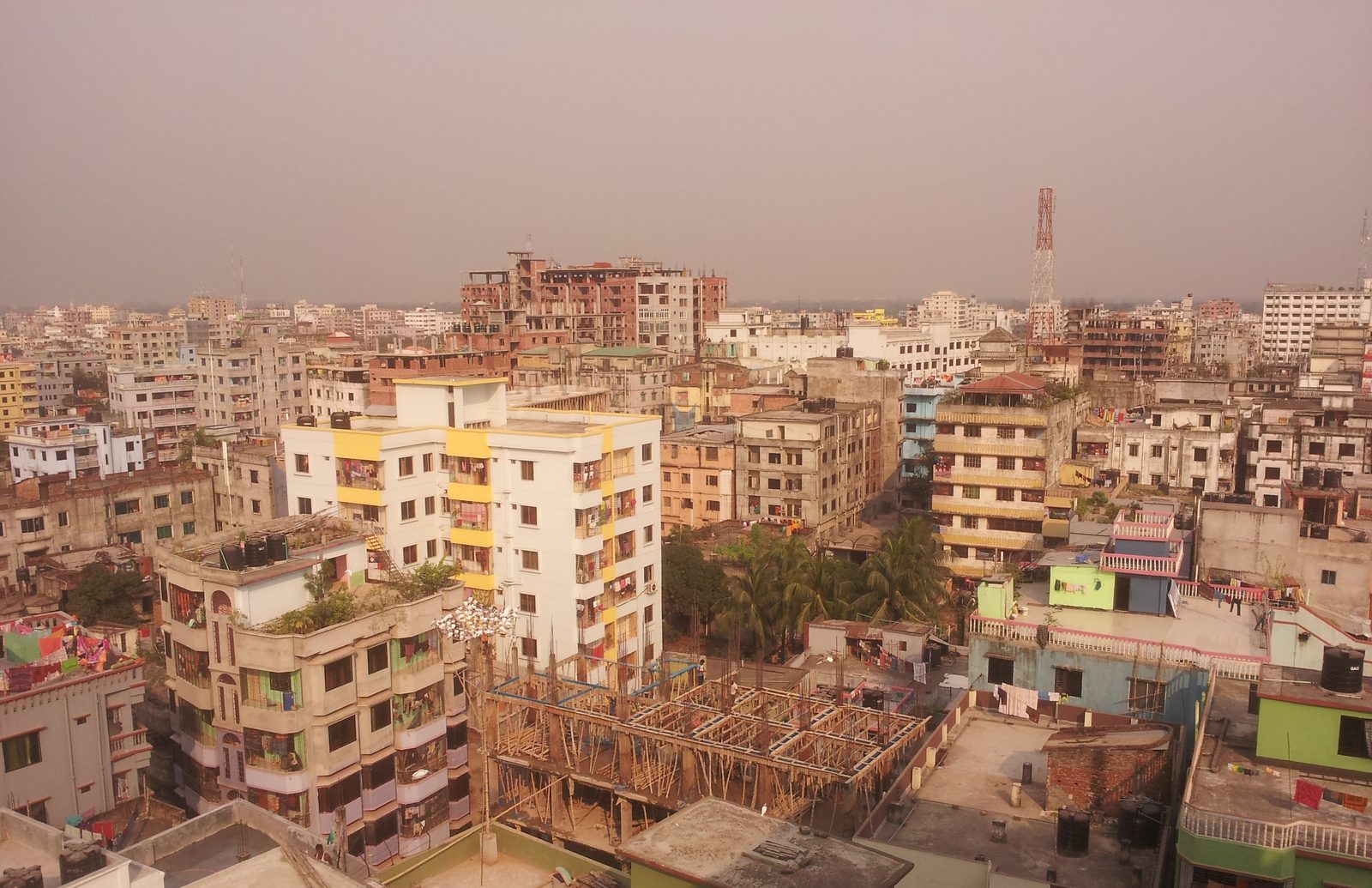
Abbas Specialized Hospital sits in Ulail, inside Savar municipality, a fast-growing city on the northwestern edge of Dhaka that depends heavily on private clinics for everyday surgery. Cases like this one turn on records that only the hospital holds: the consent form, the anaesthesia notes, the operation register and the results of the tests that were and were not done.
For the family, the immediate demands are an explanation and a case. For the health administration, the question is whether it will act on its own or wait for a complaint. Police are continuing their inquiry, and the hospital has yet to say whether it will cooperate.