 ScrollBeat

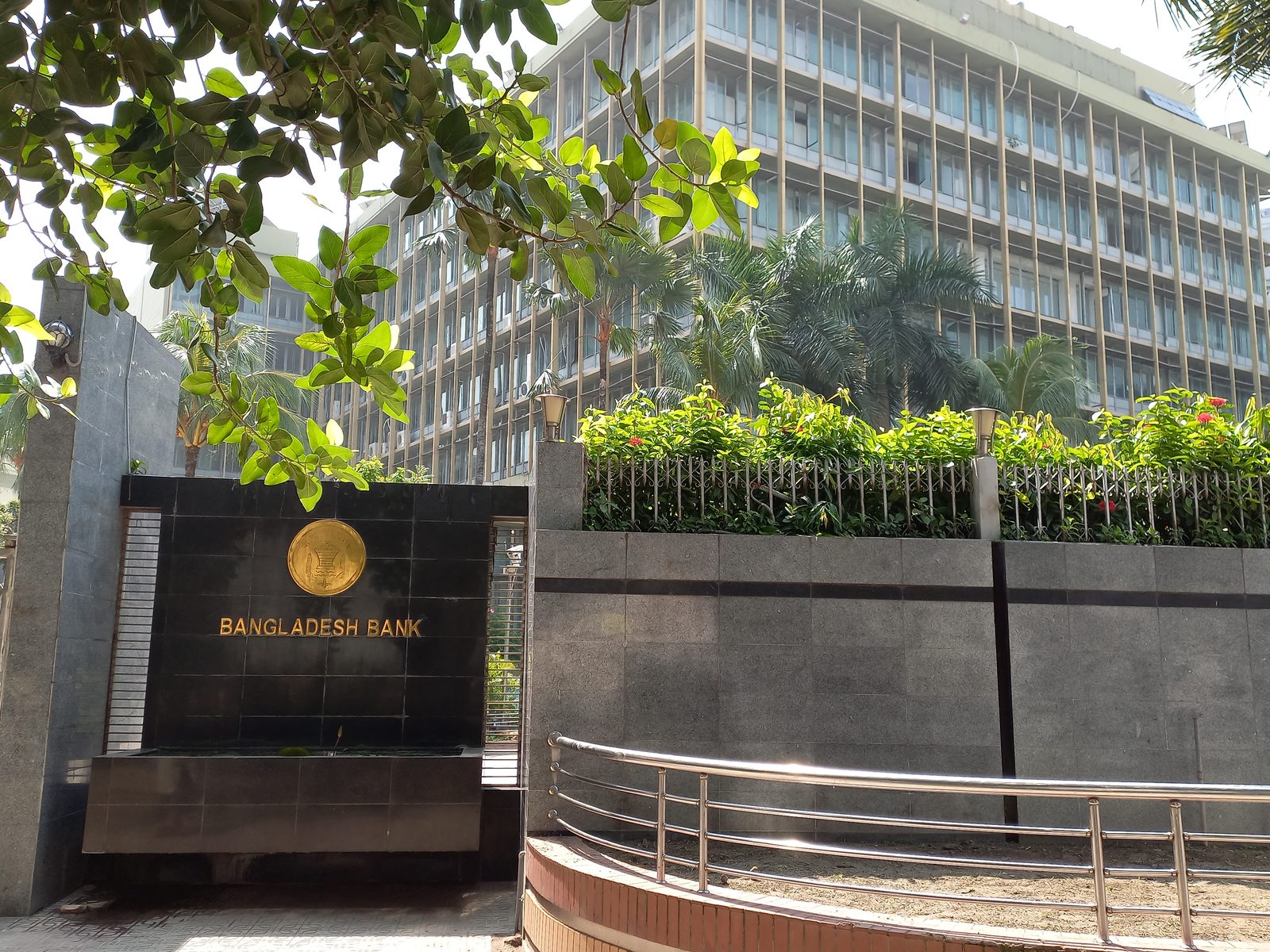
Bangladesh's government debt per person is projected to approach Tk 1.5 lakh by the end of the 2026-27 financial year, according to Finance Division estimates that put the total stock at about Tk 26.33 lakh crore by June 2027. Bangla Tribune reported the projection on Wednesday.
Dividing that stock by an estimated population of 17.5 crore gives roughly Tk 1,50,000 for every person in the country. Using 17.6 crore gives about Tk 1,49,600. The exact figure will depend on final borrowing and the population count used. Officials stress that per-capita debt is an average, not a sum each citizen owes or must pay directly.
The comparison point is recent. On 31 March 2026, per-capita government debt stood at Tk 1,29,239, Finance Minister Amir Khosru Mahmud Chowdhury told parliament on 6 September, answering a written question from Kushtia-1 MP Reza Ahmed. If the projection holds, that leaves an increase of about Tk 21,000 in 15 months.
The debt stock itself has climbed quickly. At the end of 2024-25, government debt was about Tk 21.44 lakh crore, or 38.61% of gross domestic product, with Tk 11.95 lakh crore borrowed at home and Tk 9.49 lakh crore abroad. The Finance Division's medium-term estimates take the total to Tk 26.33 lakh crore in 2026-27, about 23% higher in two years, then to Tk 29.57 lakh crore in 2027-28 and Tk 33.78 lakh crore in 2028-29. In his budget speech, the finance minister said Bangladesh's debt risk had moved from "low" to "moderate".
External borrowing is the sharper pressure point. Bangladesh Bank data show total external debt reached a record $114.98 billion at the end of June 2026, up $4.05 billion in three months and $1.40 billion in a year. The government's share rose to $95.10 billion from $90.91 billion in March, while private-sector external debt fell by $140 million to $19.88 billion.
New money is arriving more slowly than old money leaves. Economic Relations Division figures show disbursements of $294.5 million in July and August, the first two months of the fiscal year, down about 61% from $750 million a year earlier. New commitments were just $240 million. Repayments of principal and interest came to $698.9 million, about 2.4 times the inflow, leaving a net outflow of roughly $400 million. The ERD has projected record external debt service of about $5.3 billion this fiscal year, and repayment of the Russian loan for the Rooppur nuclear plant is due to begin in March 2027.
The budget is where the burden becomes visible. Interest payments alone are budgeted at about Tk 1,27,000 crore, close to 14% of the Tk 9.38 lakh crore budget, against a revenue target of Tk 6.95 lakh crore and a deficit of Tk 2.43 lakh crore. The government borrowed about Tk 13,000 crore net from banks in July and August, more than five times the same period last year and 11.5% of its Tk 1.12 lakh crore annual target. Outstanding bank borrowing reached Tk 6,08,025 crore by 30 August. Non-performing loans stood at Tk 6,06,555 crore at the end of June, or 32.78% of all loans, up Tk 17,851 crore in three months.
Dr Fahmida Khatun, a distinguished fellow at the Centre for Policy Dialogue, said the projection was a reason for concern but not panic. "The per capita figure does not mean every citizen has to pay that amount directly," she told Bangla Tribune. "It is an average, calculated by dividing the government's total debt by the population. But the interest and principal ultimately fall on the budget, and the budget's main source is tax and other revenue." She said the important question is what the borrowed money finances and whether repayment capacity is being built. Spending on productive infrastructure, education, health, energy security and jobs can pay off, she said, while waste, weak project planning and delays limit the benefit and can force cuts elsewhere. Exchange-rate movements also matter, because a weaker taka means more local currency is needed to service the same dollar debt. She called for regular disclosure of borrowing terms, use of funds and project results, and said citizens should demand transparency rather than panic.
Several things remain unknown. The final per-capita figure depends on the debt stock at the end of June 2027, the population estimate used and the exchange rate. The projections assume the present borrowing path continues and that revenue collection improves. If tax receipts fall short, borrowing and interest costs could be higher. Nor is it clear how much of the external pipeline will actually be disbursed, given the slowdown in new commitments and the effect of global energy prices on the budget.
What happens next will be watched in the budget documents rather than the headline number: the annual borrowing plan, the size of the interest line in the next budget, the first Rooppur instalments from March and whether government borrowing from banks crowds out credit to private business. For households, the practical test is whether debt service leaves less room for spending on health, education and the services they use.