ScrollBeat

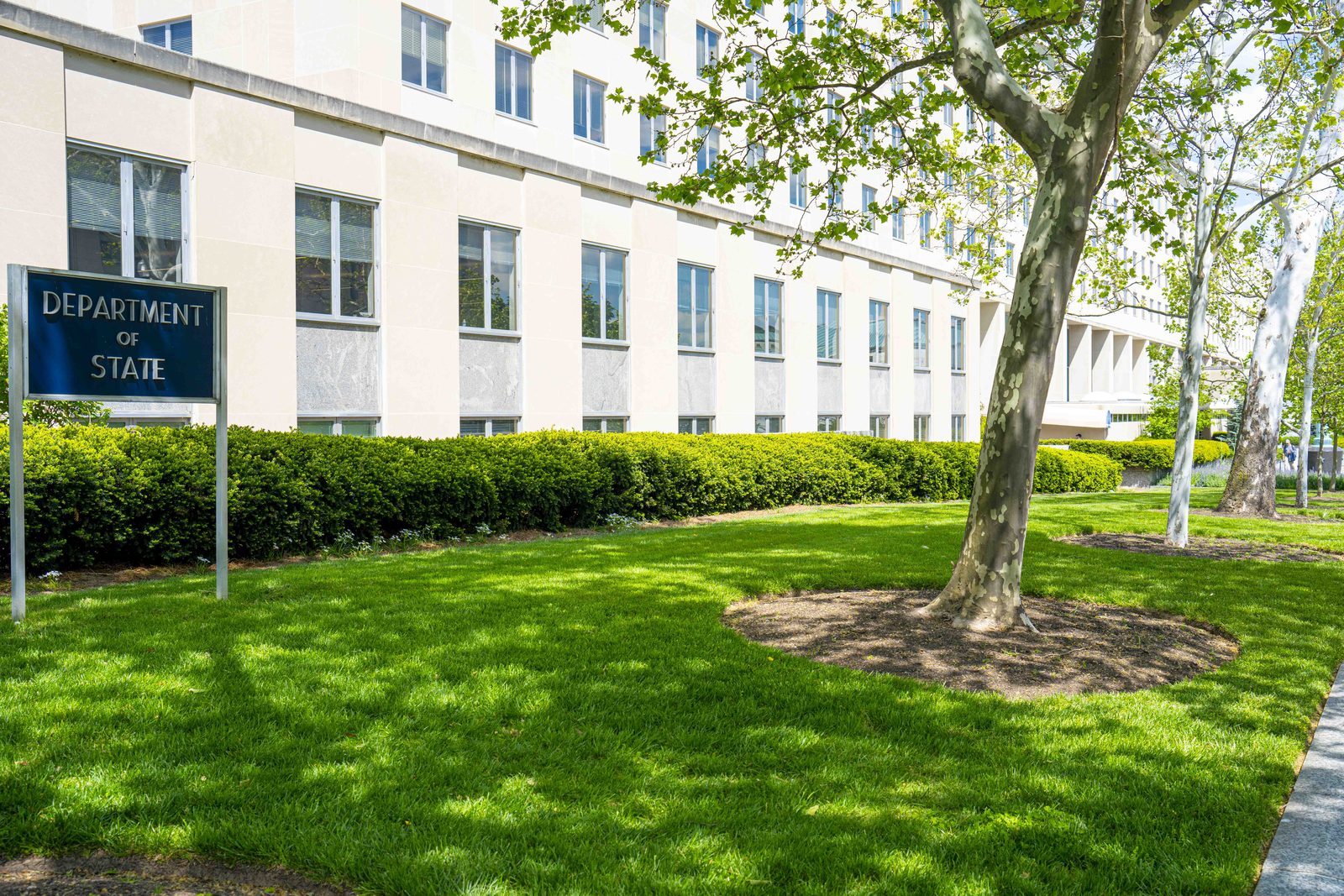
The United States has revoked more than 300,000 visas since President Donald Trump began his second term in January 2025, the State Department said on Tuesday, a figure that shows the removals accelerating in recent weeks.
The department had put the number at more than 175,000 in an update on 10 August. In January it said it had cancelled more than 100,000 visas, which it described at the time as a record. The latest total, passed to reporters and confirmed to Al Jazeera by email, is roughly 70 per cent higher than the August figure.
State Department spokesman Tommy Pigott announced the number on X, saying the administration "has revoked more visas at a faster pace than any administration in history". He added that there was "zero tolerance for foreigners here on visas who break the law, commit fraud, or undermine our national security".
In its email to Al Jazeera, the department said it was "taking, and will continue to take, action to keep our borders, and our nation, secure". An official said the "vast majority" of the cancellations were for criminal activity, public safety concerns, immigration violations, fraud or misrepresentation, or other information showing that a person was no longer eligible to hold a visa.
The department gave a breakdown for the first time. It said 25 per cent of the revocations involved assault and related crimes, 22 per cent driving under the influence, 7 per cent theft and another 7 per cent substance abuse or distribution. More than 4,000 were for people accused of engaging in or facilitating "birth tourism", in which foreigners travel to the United States to give birth so that the child acquires citizenship.
The figures are the clearest public measure so far of a campaign that has gone well beyond the deportation of people who entered the country illegally. The administration has also tightened social media screening for visa applicants, expanded background checks and raised fees for some work visas, making legal entry harder and slower even for people with no criminal record.
Rights groups have criticised the approach. They say the crackdown has violated due process and free-speech rights and has created an unsafe atmosphere, particularly for ethnic minorities, who fear they are being singled out because of how they look or where they come from. Advocates point in particular to the revocation of visas held by foreign nationals who joined pro-Palestinian protests, and of others who posted comments online about the assassination of the conservative commentator Charlie Kirk. They also accuse the government of using isolated fraud cases to target whole communities, citing the Somali American population in Minnesota.
The State Department has not released a country-by-country breakdown, so there is no confirmed figure for how many Bangladeshis are among those affected. That gap matters in Dhaka, where the United States remains one of the most sought-after destinations for students, workers and family visitors, and where any change in visa rules is followed closely by families who have relatives abroad.
Several questions remain unanswered. The department has not said which visa categories the 300,000 cancellations cover, how many were student, work, tourist or immigrant visas, or how many of those affected have since left the country. It has not explained how a person can challenge a revocation, or whether the decisions are permanent. The percentages and the 4,000 birth-tourism cases come from the department itself and have not been independently audited.
The political context is also shifting. The announcement came two weeks before US midterm elections on 3 November, with immigration among the issues dividing voters. Trump campaigned in 2024 on stopping illegal immigration, and his administration has since argued that strict enforcement, including visa revocations, is central to national security. Critics say the timing is intended to show strength on an issue that energises his base.
What happens next will depend partly on the courts and partly on the pace of the campaign itself. Legal challenges to specific revocations and to the social media screening rules are likely to continue, and rights organisations are pressing for more transparency about who is being removed and why. For now, the only official total is the department's own, and it is rising. Applicants should expect longer checks, more scrutiny of their online activity and, for some, a refusal that arrives long after a visa was first granted.