 ScrollBeat

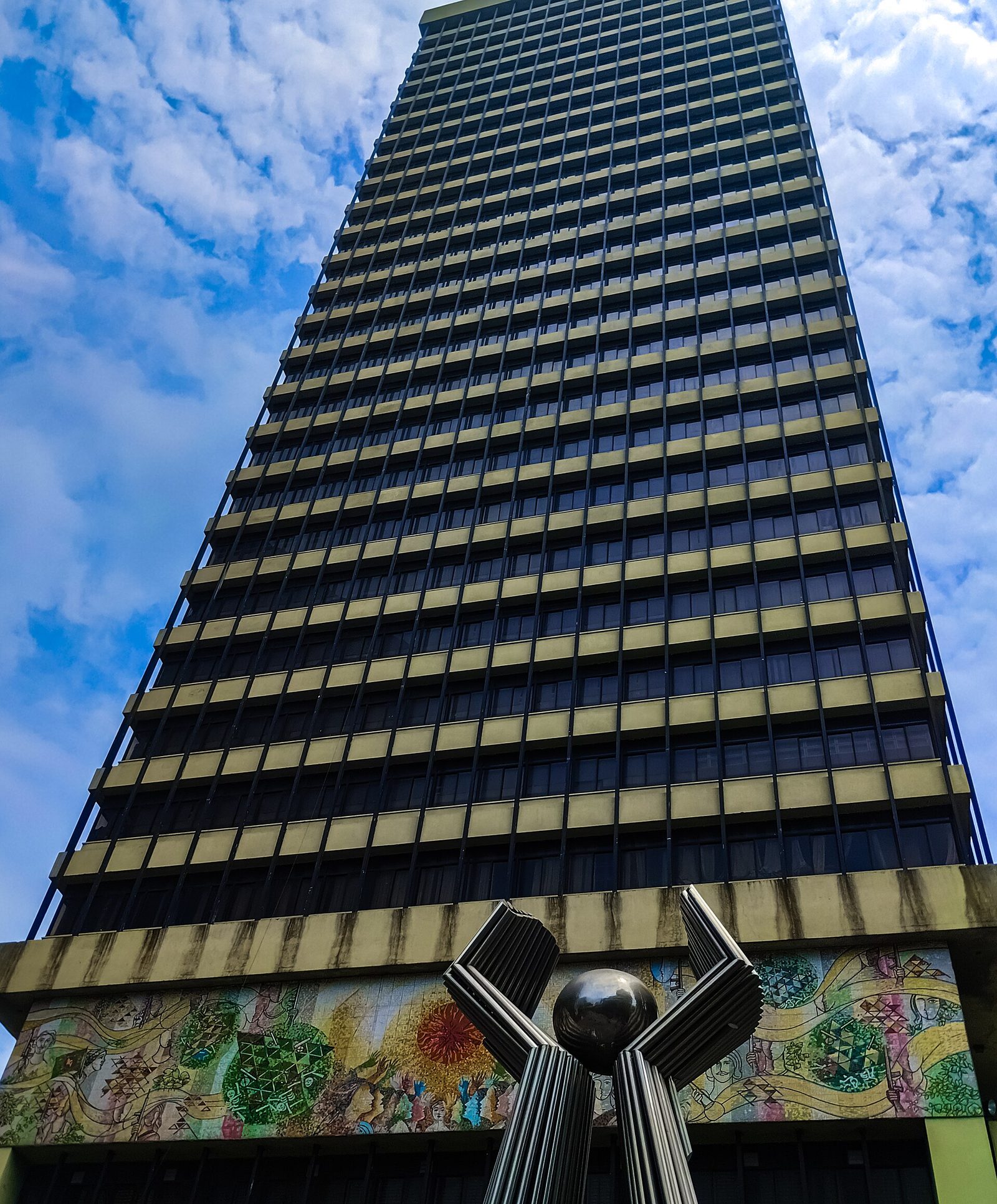
Bangladesh's dependence on cash costs the economy about Tk 1.70 lakh crore a year, or 3.24% of gross domestic product, according to a Bangladesh Bank study that counts lost tax revenue and people's time alongside the cost of printing, moving and guarding banknotes.
The study, prepared by the central bank's Payment Systems Department-1 and titled "The Cost of Cash Study in Bangladesh: A Comparative Analysis of Cash and Digital Payment", puts the cost at Tk 9,938 per person per year. The equivalent figure for digital payments is Tk 5,964 crore, or 0.11% of GDP and Tk 348 per person.
Most of the headline number is not a bill anyone pays directly. Tk 93,300 crore of the total, or 54.76%, is revenue the government forgoes because a large shadow economy deals in untraceable cash. The study estimates the informal economy at about 27.2% of GDP. Remove that item and the annual cost of using cash still comes to Tk 77,087 crore, or 1.47% of GDP, which the authors say is about 12 times the cost of digital payments.
The burden is spread across the economy. Commercial banks bear Tk 36,800 crore a year for branches, security, cash transport and reconciliation. Consumers bear Tk 28,000 crore, made up of Tk 12,200 crore in time spent getting and handling money, Tk 6,400 crore in interest forgone on cash holdings and Tk 5,400 crore in the risk of theft or loss. Small retailers carry Tk 6,200 crore and microfinance institutions Tk 5,600 crore. Bangladesh Bank's own cash management costs about Tk 400 crore, and fast-moving consumer goods retailers about Tk 60 crore.
Cash remains hard to displace because it feels free. The study found that cash still accounts for more than 80% of transaction volume across different uses, even as mobile financial services and electronic transfers have grown. Central bank data cited by the Dhaka Tribune show Tk 336,375 crore of the Tk 370,269 crore in notes issued were held outside the banking sector at the end of June this year.
Md Sirajul Islam, an executive director of Bangladesh Bank, told the state news agency BSS that cash management begins with importing the raw material for banknotes and continues through printing, transport and circulation. Notes wear out, tear or become damaged in daily use and have to be replaced, he said, which creates a recurring cost. Wider use of digital payments, he added, could lower those costs and make transactions easier to trace, helping to check corruption, theft and misuse of money.
Digital payments are not costless either. The study estimates that the digital ecosystem generates about Tk 2,300 crore in annual revenue against costs of Tk 5,964 crore, a gap of roughly Tk 3,664 crore. Merchant charges, delayed settlement, weak links between payment systems, unreliable internet, fraud fears and limited digital skills all slow adoption. Only about 28% of adults are financially literate, the study notes, and nearly half of mobile money users cannot run their accounts without help.
The central bank is betting on Bangla QR, a common standard meant to let customers pay any merchant through one code. It set the interchange reimbursement fee for Bangla QR transactions at zero from 1 October 2026, and officials say the aim is to make at least half of the country's transactions cashless by 2028. The study argues that cheaper, more reliable digital services must be paired with stronger tax oversight and better record-keeping for business transactions.
Several questions remain open. The study uses 2023 as its base year and was published in May 2026, so it does not capture the effect of this month's fee change. It also does not set out in public how the shadow-economy tax loss was modelled, which matters because that item alone is more than half the total. Nor has the government announced any new tax or reporting requirement in response to the findings.
What happens next will show up in ordinary payments: whether small shops adopt Bangla QR now that the interchange fee is zero, whether banks and payment companies absorb the remaining costs, and whether the 2028 cashless target survives contact with rural connectivity and low digital literacy. For now, the study's central point is simple. Cash looks free at the counter, but the economy pays for it elsewhere.