 ScrollBeat

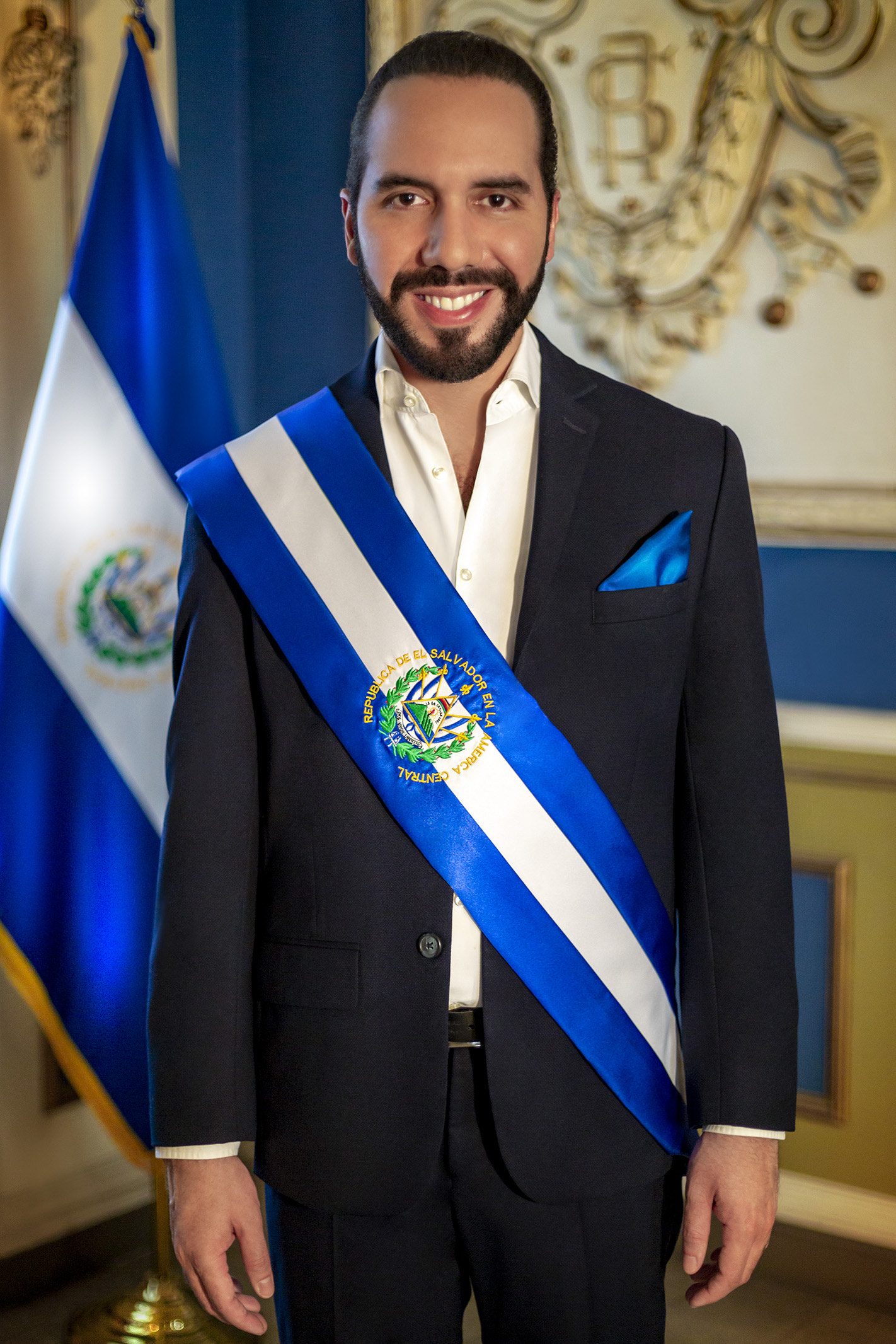
President Nayib Bukele said on Wednesday that El Salvador had launched a military operation to recover four Salvadoran air force technicians abducted in Haiti, turning a four-day search into an open confrontation with the armed groups that control much of Port-au-Prince.
The four men were travelling in an armoured vehicle in the Santo area of Croix-des-Bouquets, on the outskirts of the Haitian capital, on Sunday when it was struck by explosives and set on fire, according to the Salvadoran armed forces. The crew escaped the burning vehicle, but contact was lost afterwards. It was the first major attack on the United Nations-backed Gang Suppression Force (GSF) since the multinational mission began operating in Haiti.
Bukele, who had not spoken publicly about the incident since it happened, addressed the gang leaders holding the men in a message posted on X. He said the missing Salvadorans were not combatants. The contingent, he said, was made up of pilots and technical staff whose main work was carrying out medical evacuations and saving lives, "not to wage war".
He said the men had been seized while returning from buying food at a market in the area, and that the operation launched on Wednesday had a single objective: to bring the four home alive and without harm.
His message ended with a direct threat. "Today's attack is nothing compared to what is coming if we do not recover the four hostages alive," Bukele wrote, adding: "We have already finished with the gangs in El Salvador, and we can finish with you too." He did not say which Salvadoran, Haitian or international units were taking part in the rescue effort, or where it was concentrated.
Haiti's government said on Wednesday evening that securing the men's release was an "absolute priority". A meeting was held at the prime minister's office to assess the operations under way and to coordinate with the gang suppression force, according to a government statement, which said all necessary resources were being mobilised. It was not immediately clear whether Haitian authorities had received confirmation that the four were still alive. A spokesperson for the GSF did not respond to a request for comment.
No armed group has claimed responsibility for the ambush. The district where the vehicle was attacked is contested by several gangs, including Chèn Méchan, Kraze Barye and 400 Mawozo. The leaders of the latter two, Vitel'Homme Innocent and Lanmo Sanjou, have been sanctioned by both the United Nations and the United States.
The Gang Suppression Force was authorised by the UN Security Council in late 2025 to help Haiti's police restore order, replacing an earlier Kenyan-led mission that struggled with funding and equipment. It is not a UN peacekeeping operation: it is run by the countries that contribute troops, with logistical support from a UN office in Haiti. Its mandate allows up to 5,550 uniformed personnel. Contributing states include Chad, Jamaica and Guatemala, and news agencies have given differing figures for how many are currently on the ground, with the Associated Press reporting more than 2,000 and BBC Mundo putting the deployment at more than 1,500.
The force is operating in a country where armed groups are estimated to control about 70 per cent of the capital. UN figures cited by both outlets say gang violence has displaced nearly 1.5 million people in recent years, while more than 5,700 people were killed or injured between January and mid-September this year and more than 230 were kidnapped. The abduction comes as Haiti prepares for its first general elections in more than a decade.
Romain Le Cour, who heads the Haiti Observatory at the Global Initiative Against Transnational Organized Crime, told Reuters that some criminal groups have been under pressure since the force deployed, but that "others want to show they can hit back". Holding soldiers, he said, gives the groups leverage to negotiate and to put pressure on the security forces.
Bukele's domestic record is central to how the standoff is being read. His government has imprisoned tens of thousands of people under a state of emergency credited with bringing down murders in El Salvador, while human rights groups have documented abuses and wrongful detentions during the crackdown. On Wednesday he presented the Haiti rescue as an extension of that approach.
Much remains unresolved. It is not known who is holding the four men, whether they have been harmed, or what the rescue operation has achieved so far. The GSF and Haitian police are still fighting in the district where the ambush happened and have told residents to stay indoors. Bukele said that if the men were returned safely, matters would return to how they were before the kidnapping. If they are not, he has promised a far more forceful response.