ScrollBeat

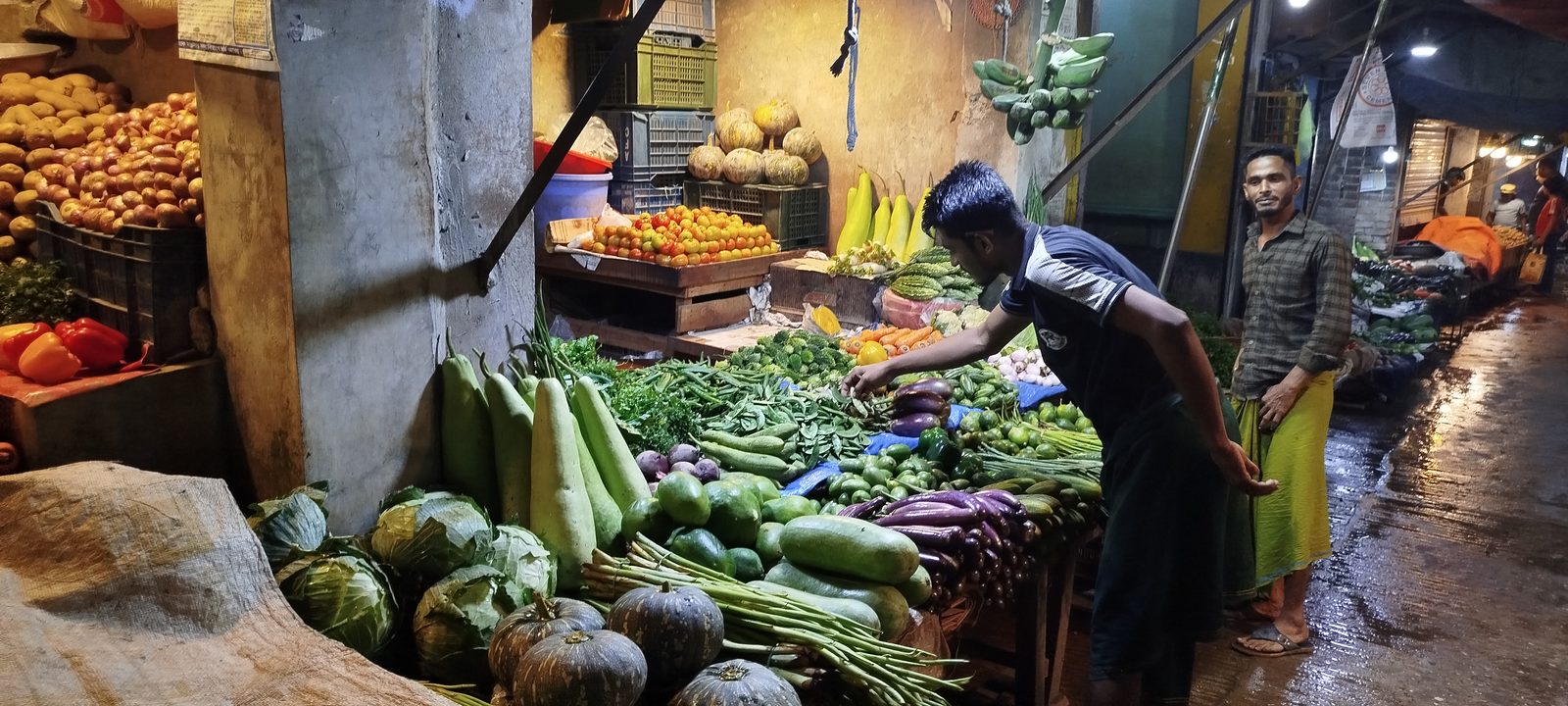
The World Bank said on Wednesday that global commodity prices are on course to rise 23 percent in 2026, a jump driven mainly by energy, before easing 7 percent next year. The forecast, published in the bank's October Commodity Markets Outlook, is a sharp upward revision from April and lands directly on countries such as Bangladesh that import most of their fuel, cooking oil and wheat.
Energy prices are expected to climb 32 percent this year, taking them to a four-year high, the report says. Brent crude is projected to average $91 a barrel in 2026 and $79 in 2027. Food commodity prices are forecast to rise about 10 percent this year and another 7 percent next year, a cumulative increase of roughly 18 percent.
The bank attributes much of the pressure to the war in the Middle East, which began in late February and has drawn down oil inventories, and to Russia's war in Ukraine, which has disrupted grain shipments through the Black Sea. It also points to an unusually strong El Nino, which is expected to bring more flooding, drought and heat stress to farming regions and to compound the effects of climate change.
Global oil supply is projected to fall 5.2 percent in 2026, the largest decline in more than four decades outside the pandemic, while oil consumption is forecast to fall 2.5 percent, the third-largest drop after the Covid shock and the 1980 oil crisis. Without that fall in demand, the bank says, prices would have been projected even higher.
Metals are also part of the story, with prices set to reach an all-time high this year on demand from renewable energy, electric vehicles and data centres, alongside supply disruptions.
"Commodity markets are being hit by several major shocks at once," Ayhan Kose, the bank's deputy chief economist and director of the Prospects Group, said in a statement. "Higher energy costs and trade disruptions are driving up prices across a broad range of commodities, threatening to worsen inflation, food insecurity, and economic growth." Kose said the priority must be to protect the poorest people and to support low-income countries already struggling with heavy debt.
The report also sketches a worse case. If the Middle East conflict escalates, attacks on Black Sea grain shipments intensify and El Nino proves very strong, Brent could average $105 a barrel in 2027 and food commodity prices could come in 12 percent above the baseline forecast, surpassing their 2022 level. The central forecasts assume no major intensification of either war.
The bank says it has made $50 billion to $60 billion available through existing instruments, including $25 billion in pre-arranged financing, and that it has provided $8.7 billion in emergency support to vulnerable countries since the war on Iran began.
For Bangladesh, the transmission is through imports. The country buys almost all of its crude oil and refined fuel, most of its edible oil, and large volumes of lentils, chickpeas, wheat and sugar on the world market, so a sustained rise in global prices feeds into freight, transport, power and eventually retail costs.
Commerce Minister Khandakar Abdul Muktadir addressed part of that exposure on Wednesday, telling reporters at the Secretariat that the government has no immediate plan to raise edible oil prices and hopes the market will stay stable around Ramadan. He said adequate stocks of edible oil, chickpeas, lentils and sugar are in the import pipeline, and that prices of oil bought from Brazil, Indonesia and Malaysia depend on prices in those countries and on transport costs.
Asked whether a hike was coming before Ramadan, he said: "No, there is no such plan at the moment." He also said the government cannot force private traders to book supplies in advance when international prices are moving, and that chickpeas were selling at Tk115 to Tk120 a kilogram after international prices rose. He acknowledged that Bangladesh has not yet built a supply system able to keep all commodity prices stable through the year, though he said vegetable prices had begun to fall as winter produce arrived.
Several things remain uncertain. It is not clear how strong El Nino will become, whether either war will widen, or how much of the global increase will pass through to Bangladeshi retail prices once the exchange rate, freight and import duties are counted. The government has not published its own forecast for food and fuel costs, and importers have not said whether they will seek another round of price adjustments.
The next test comes over the winter, when Ramadan demand for cooking oil, chickpeas, lentils and sugar builds. The bank's figures suggest the import bill will rise even if shipping and exchange rates hold steady; the minister's remarks suggest Dhaka intends to absorb the pressure for now rather than pass it on.